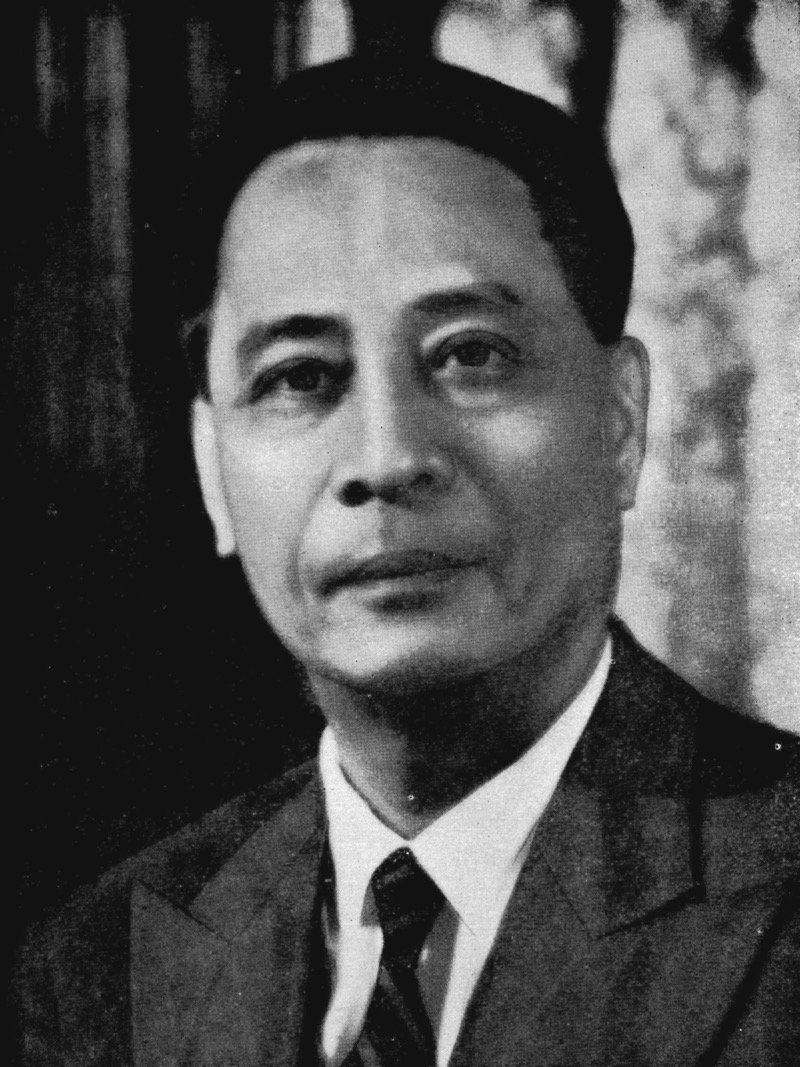
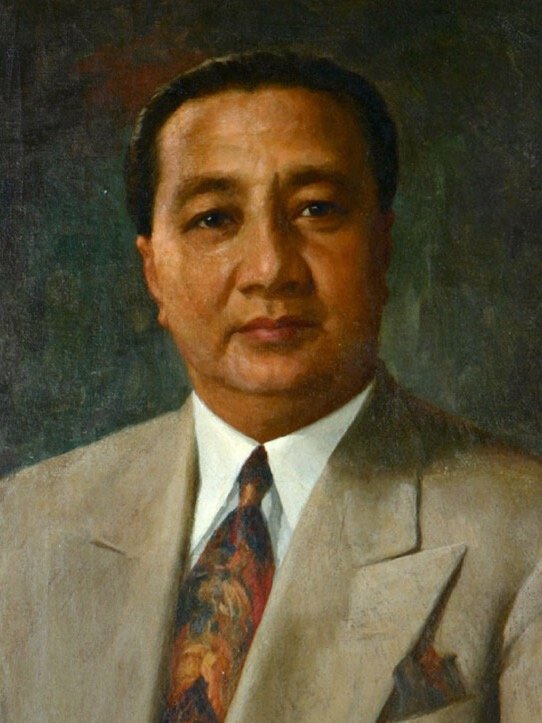
In this biography
Quick facts
- Born
- 16 November 1890
- Died
- 29 February 1956
- Birthplace
- Vigan, Ilocos Sur, Philippines
- Country
- Philippines
- Nationality
- Filipino
- Known for
- Postwar reconstruction, central banking and the campaign against the Huk rebellion
- Office
- President, 1948–1953
- Succeeded
- Manuel Roxas after his death in office
- Major institution
- Central Bank of the Philippines, 1949
- Election
- Won a full term in 1949
Why this life matters
Quirino’s presidency joined institution-building and regional diplomacy to a hard internal-security struggle, while accusations of corruption weakened public trust.
Timeline
Key moments
Born in Vigan
Born in Ilocos Sur on 16 November.
Entered the House
Began a legislative career after work in government and law.
Lost family in the Battle of Manila
His wife and three of their children were killed during the city’s destruction.
Became vice president
Served under Manuel Roxas and also led the foreign-affairs department.
Succeeded to the presidency
Took office after Roxas died.
Won a full term
Defeated José P. Laurel in a bitter and disputed election.
Lost reelection
Ramon Magsaysay defeated him amid concern over security and corruption.
A republic rebuilt after personal and national loss
Quirino served in the House, Senate and cabinet and became vice president and foreign-affairs secretary under Manuel Roxas. During the Battle of Manila in 1945, Japanese forces killed his wife and three of their children, a personal loss that later framed his support for reconciliation.
After Roxas died in April 1948, Quirino assumed the presidency and won a full term in 1949. His administration supported reconstruction, social programmes and the 1948 law creating the Central Bank of the Philippines, which began operations the following year.
Insurgency, diplomacy and a damaged mandate
The Huk rebellion remained the central security challenge. Quirino appointed Ramon Magsaysay as defence secretary, and the government combined military reform with resettlement and promises of rural assistance. The campaign weakened the insurgency but did not resolve the inequalities that sustained it.
Quirino promoted Asian diplomatic cooperation and in 1953 pardoned the remaining Japanese war criminals held in the Philippines. At home, persistent allegations of corruption and controversy over the 1949 election eroded his standing. Magsaysay defeated him decisively in 1953.
Quick answers
Frequently asked questions about Elpidio Quirino
- Who was Elpidio Quirino?
- Elpidio Quirino was a president of the Philippines, 1948–1953. Quirino’s presidency joined institution-building and regional diplomacy to a hard internal-security struggle, while accusations of corruption weakened public trust.
- What is Elpidio Quirino best known for?
- Elpidio Quirino is best known for postwar reconstruction, central banking and the campaign against the Huk rebellion.
- When and where was Elpidio Quirino born?
- Elpidio Quirino was born on 16 November 1890 in Vigan, Ilocos Sur, Philippines.
- When did Elpidio Quirino die?
- Elpidio Quirino died on 29 February 1956.
Sources and further reading
How this biography was checked
Core dates and offices are checked against the sources below. This profile was last reviewed on 8 September 2026.