Thirty candidates, running mates and political organisers connect nine presidential contests—from the last elections before martial law to automated voting, split tickets and the Marcos family’s return in 2022.
Elections reveal both continuity and constitutional rupture
Philippine presidential elections are national contests shaped by plurality rules, separately elected vice presidents, fluid parties and strong regional networks. This path pairs official canvasses with biographies so vote totals sit beside the careers, coalitions and institutional disputes that gave them meaning. The sequence includes the authoritarian interruption after 1969 and resumes with the disputed 1986 snap election that helped end Marcos rule.
01
Plurality can produce a president without a majority
Most contests in the sequence were decided by the largest vote total, even when a fragmented field kept the winner below fifty percent.
02
The vice president has an independent mandate
Separate voting produced winners from rival tickets in 1992, 1998, 2010 and 2016, shaping succession and governing coalitions.
03
Election rules operate inside political history
The 1965 transfer, authoritarian rupture after 1969 and disputed 1986 snap election show that a count cannot be separated from institutional conditions.
04
Parties are fluid, but networks endure
Candidates repeatedly changed coalitions while regional organisations, families, local officials and media identities carried support between cycles.
05
Automation changed the speed and evidence of counting
Nationwide automation from 2010 shortened the visible count and shifted scrutiny toward machines, transmission records, audits and digital security.
06
Results do not end every legitimacy dispute
Election protests, candidacy cases, impeachment crises and rival historical narratives continued after proclamation and shaped later governments.
Thirty biographies · 1904–present
Meet the presidents, challengers and running mates across six decades of national elections
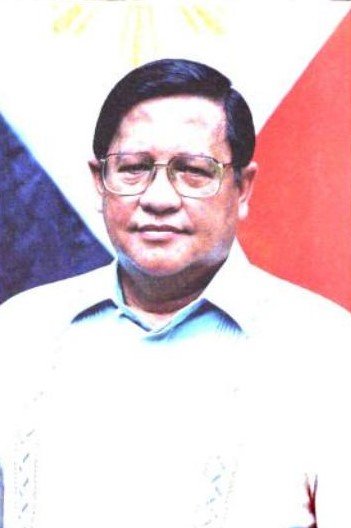
President of the Philippines, 1965–1986A president who imposed martial law, dismantled democratic checks and ruled for two decades before the 1986 People Power Revolution forced him from office.Read biography
Vice president, senator and business executiveAn Iloilo lawyer, senator and business leader who served two non-consecutive periods as vice president and repeatedly led national agricultural policy.Read biography
Law professor, senator and Senate presidentA bar topnotcher, prolific law teacher and legislator whose long career extended from the Third Republic to the disputed 1986 election and a final Senate term.Read biography
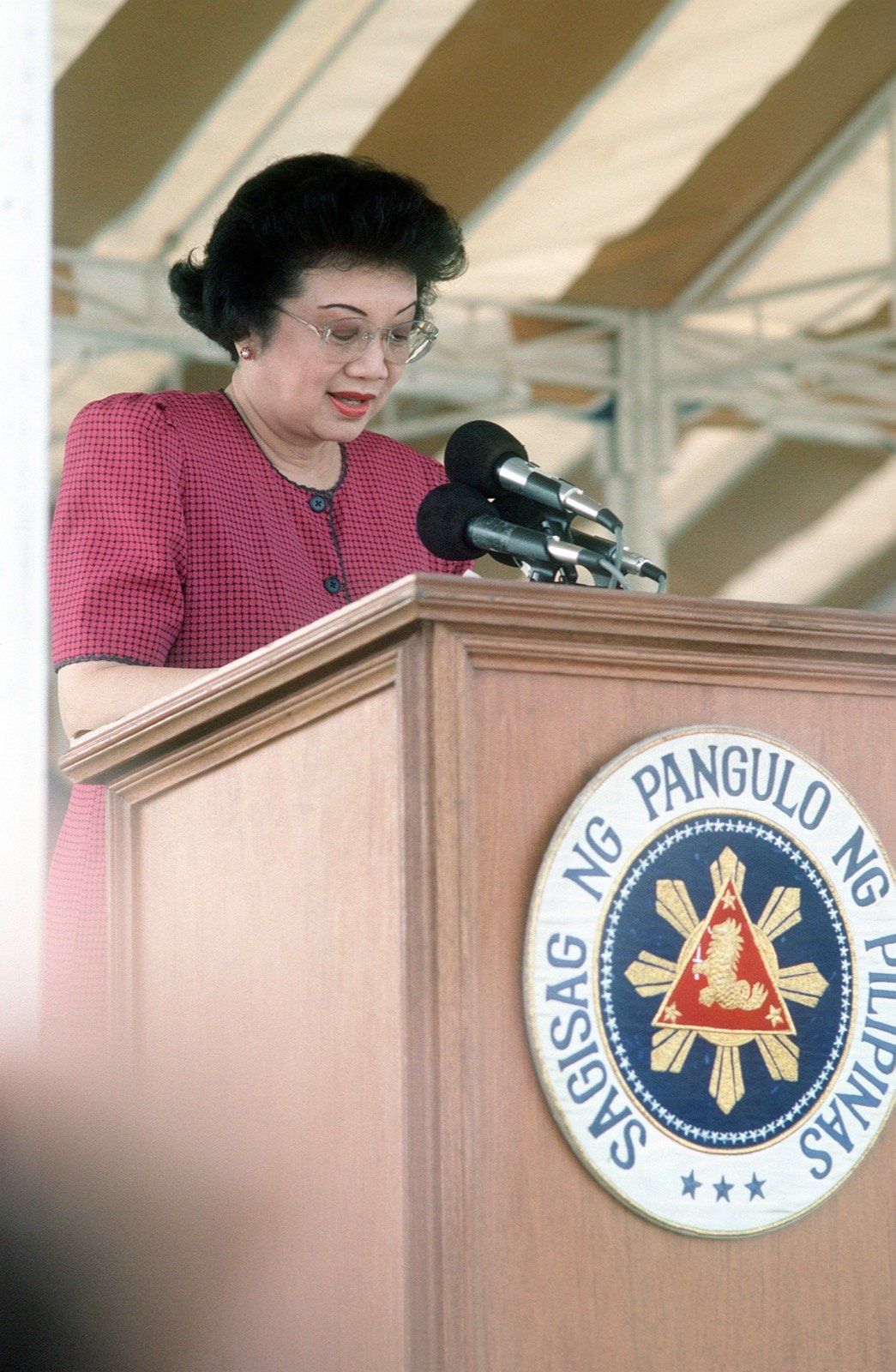
President of the Philippines, 1986–1992The opposition leader who became president after People Power and restored constitutional government following the Marcos dictatorship.Read biography
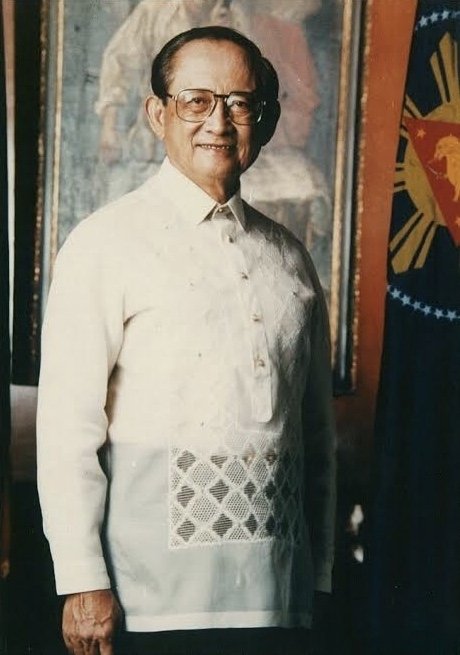
Opposition leader and vice president of the PhilippinesA lawyer, senator and opposition coalition leader who became vice president after the disputed 1986 election and People Power Revolution.Read biography
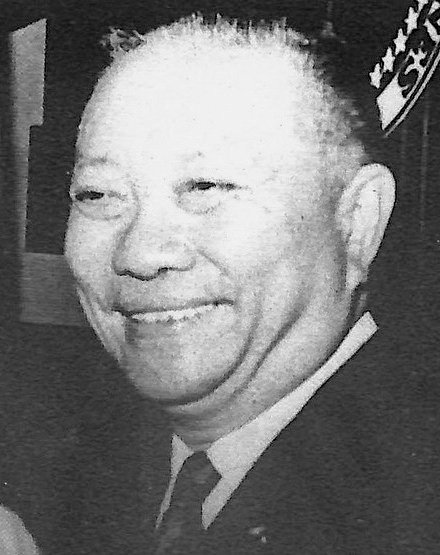
President of the Philippines, 1992–1998The general who withdrew support from Ferdinand Marcos during People Power and later served as defence secretary and the Philippines’ twelfth president.Read biography
Senator, judge and public administratorA lawyer, judge, cabinet official and senator whose sharp legal arguments and forceful public style made her one of the Philippines’ most recognisable political figures.Read biography
President of the Philippines, 1998–2001The film star and populist politician who became president in 1998, left office amid impeachment and protest, and later returned as mayor of Manila.Read biography
Lawyer, legislator and education secretaryA lawyer and legislator whose Senate work expanded legal protections for women and whose presidential campaigns offered a reformist alternative to established political blocs.Read biography
Five-term House speaker and presidential candidateA journalist, diplomat and legislator who served five terms as Speaker of the House, built broad governing coalitions and finished second in the 1998 presidential election.Read biography
President of the Philippines, 2001–2010The economist, senator and vice president who led the Philippines from 2001 to 2010 and later returned to Congress as a Pampanga representative.Read biography
Educator, legislator and Senate presidentA university president and four-term senator whose legislative agenda created or strengthened national systems for education, skills, health insurance and culture.Read biography
Actor, director, producer and presidential candidateA film actor, director and producer whose working-class screen heroes made him a national cultural figure before he entered presidential politics in 2004.Read biography
Broadcaster, senator and vice presidentA radio and television journalist who topped the 2001 Senate election and served as vice president of the Philippines from 2004 to 2010.Read biography
Journalist, legislator and climate-policy advocateAn award-winning broadcaster who became a four-term senator, two-time vice-presidential candidate and leading legislative advocate for climate resilience and culture.Read biography
Senator and former national police chiefA former police chief and long-serving senator whose national career centres on security, public spending and executive oversight.Read biography
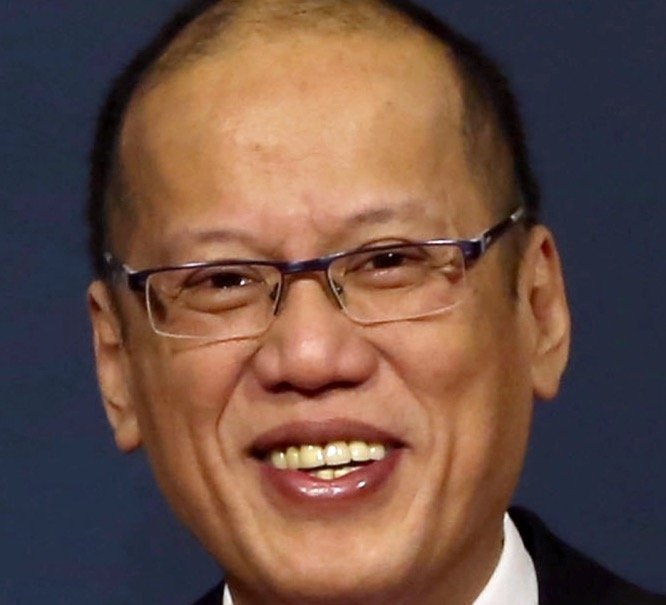
President of the Philippines, 2010–2016The Philippine president whose Straight Path programme produced major legislation while budget disputes, national crises and maritime arbitration shaped his record.Read biography
Housing entrepreneur and former leader of both houses of CongressA Tondo-born accountant and property entrepreneur whose business career preceded leadership in both chambers of Congress and a third-place presidential result in 2010.Read biography
Lawyer, legislator and national defence secretaryA lawyer and former Tarlac representative who led the defence department under two presidents and placed fourth in the 2010 presidential election.Read biography
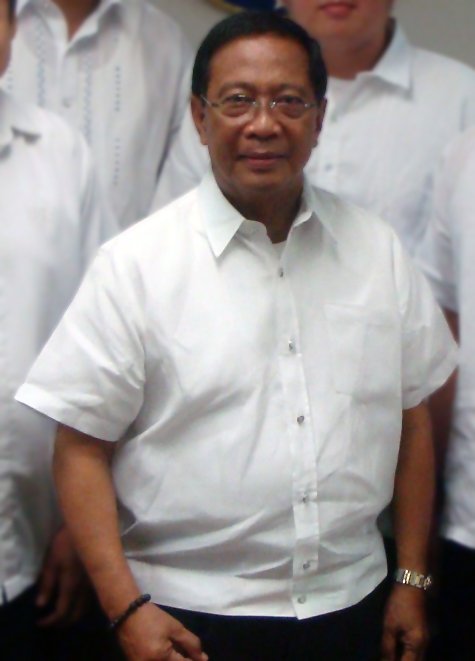
Human-rights lawyer, Makati mayor and vice presidentA human-rights lawyer under martial law who became Makati’s dominant local executive, vice president from 2010 to 2016 and a presidential candidate.Read biography
Legislator, cabinet secretary and presidential candidateAn economist and politician who served in the House, Senate and three cabinet departments before running for vice president in 2010 and president in 2016.Read biography
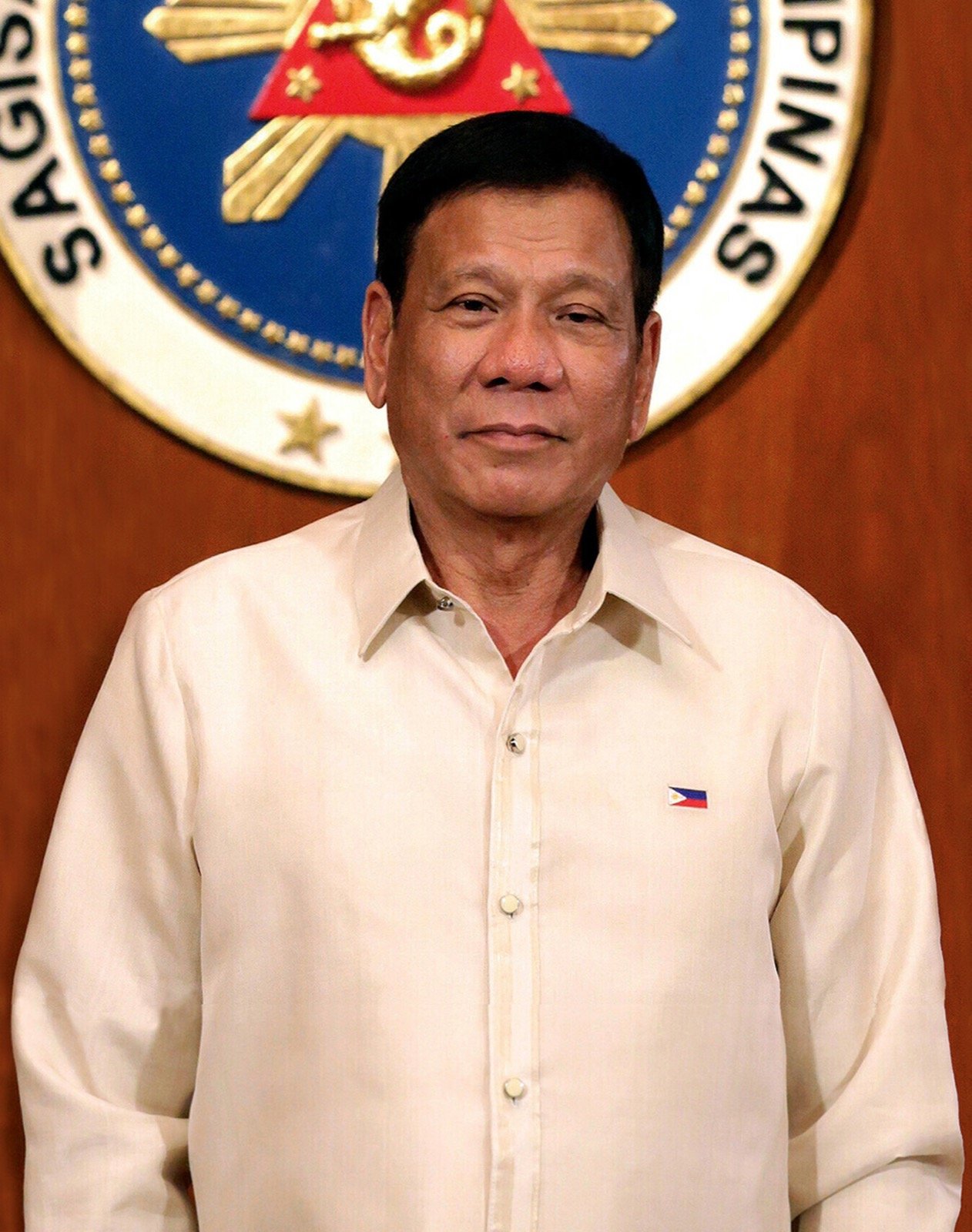
President of the Philippines, 2016–2022The long-serving Davao mayor who became president in 2016 and whose anti-drug campaign is now the subject of an International Criminal Court case.Read biography
Vice president of the Philippines, 2016–2022, and mayor of Naga CityThe lawyer, former vice president and current Naga mayor known for community-based anti-poverty programmes and a volunteer-driven reform movement.Read biography
President of the Philippines since 2022The son and namesake of Ferdinand Marcos who won the 2022 election and became the seventeenth president of the Philippines.Read biography
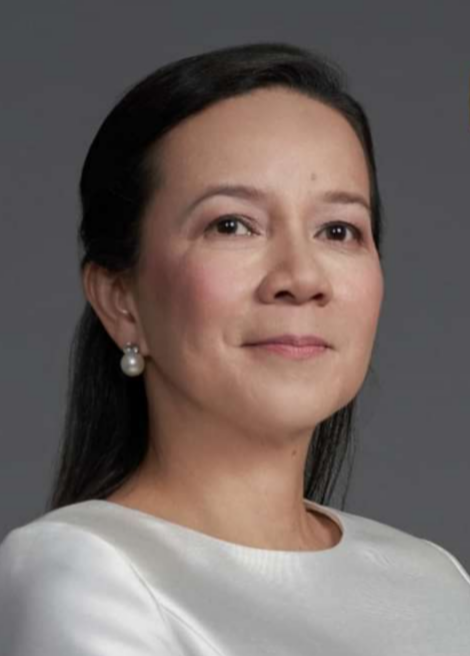
Former senator, media regulator and presidential candidateA former media regulator and two-term senator whose 2016 presidential campaign turned her personal history as a foundling into a constitutional test of citizenship and belonging.Read biography
Lawyer, senator, former Senate president and Sorsogon governorA lawyer and Sorsogon politician who served in the House, Senate and provincial government before leading the Senate from May 2024 to September 2025.Read biography
Boxer and former senatorA boxer who rose from poverty to win world titles in eight divisions and became one of the Philippines’ most recognisable public figures.Read biography
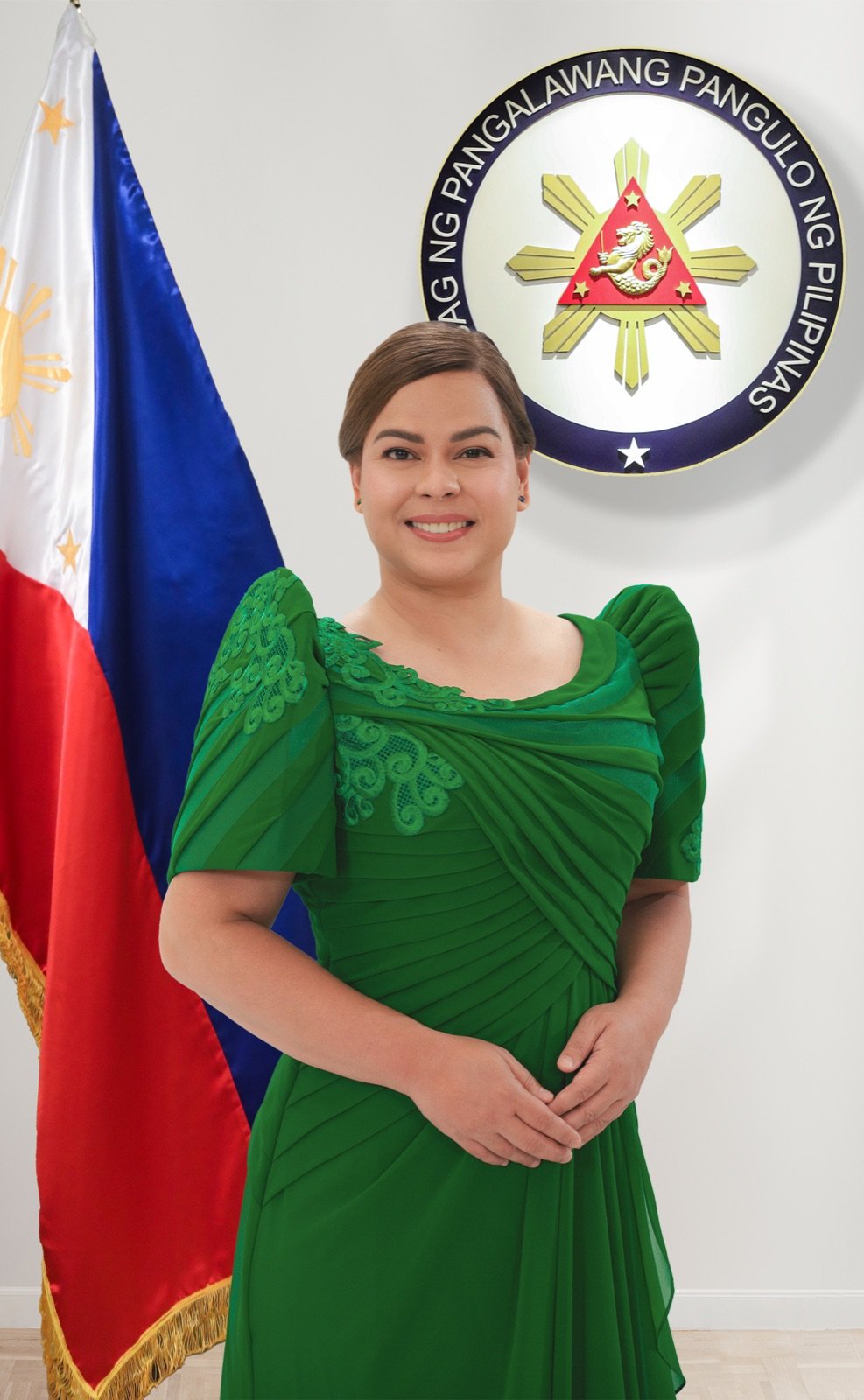
Vice president and former Davao City mayorA lawyer and Davao City politician who became the Philippines’ fifteenth vice president after winning a record national vote in 2022.Read biography
Senator, lawyer and food-security advocateA lawyer, former Quezon City councilor and agricultural-policy advocate who returned to the Philippine Senate in 2025.Read biography
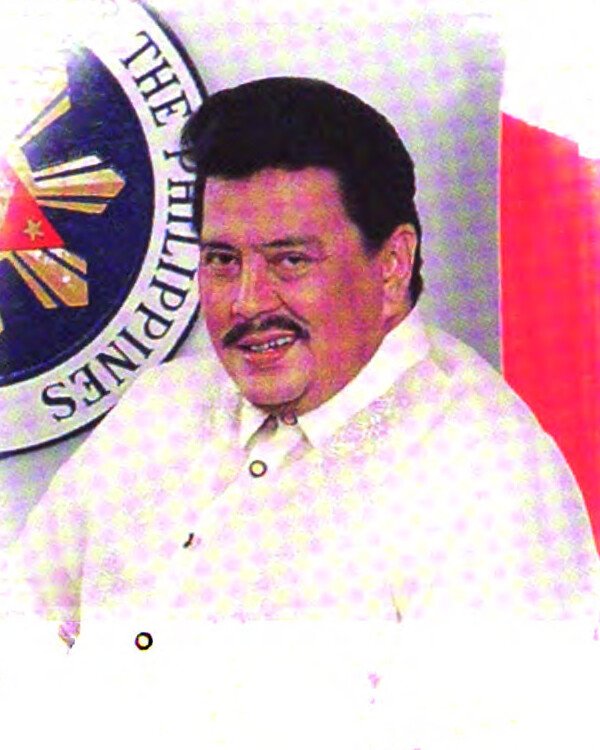
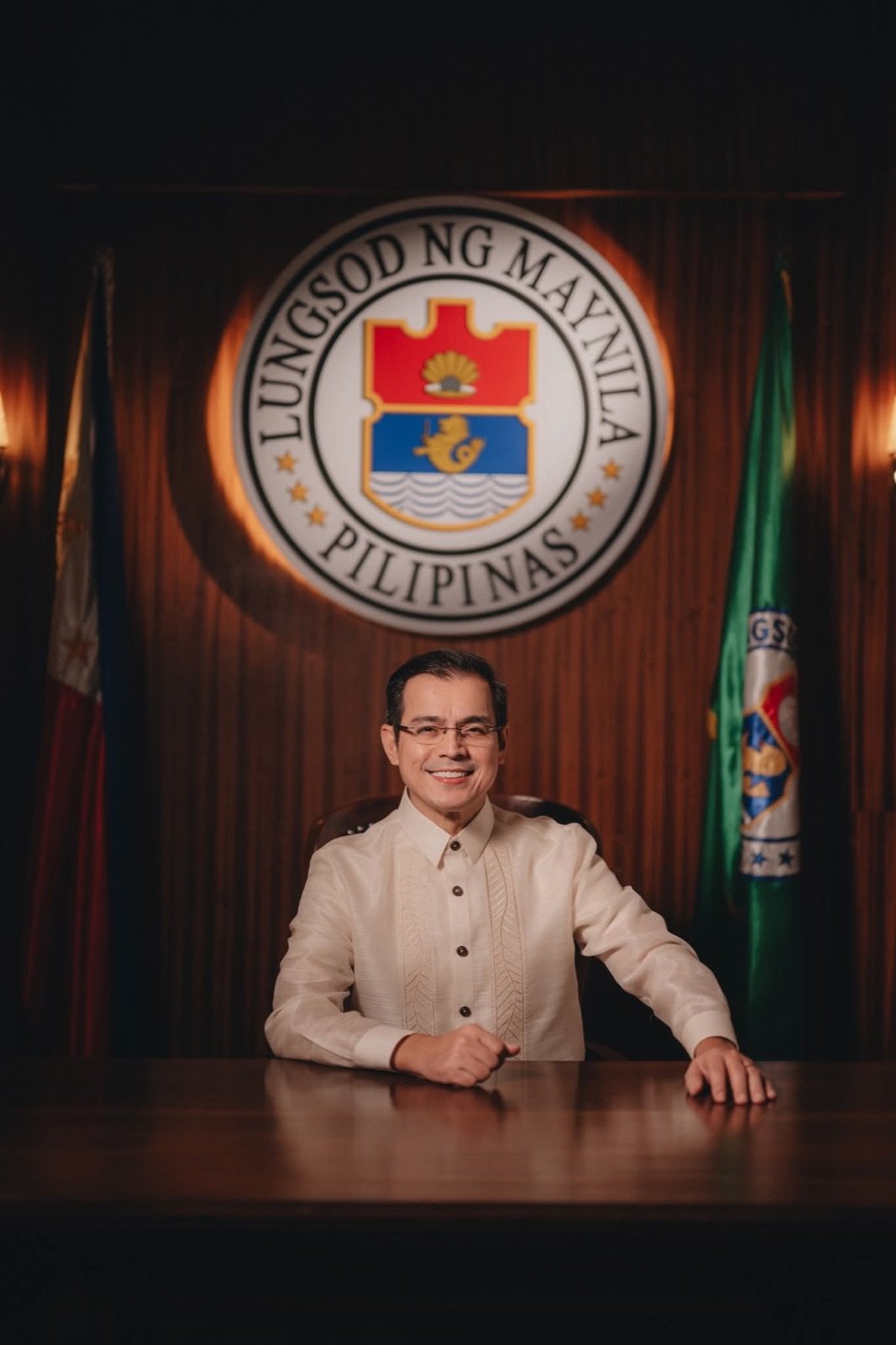
Actor and mayor of ManilaA former actor and long-serving Manila politician who rose from the city council to the mayoralty and a national presidential campaign.Read biography
Continue the story
Read nine presidential contests across the sixty-year sequence
Move from competitive elections before martial law through People Power, post-EDSA succession, automation and the decisive 2022 result.
The candidate with the largest nationwide vote total wins a single six-year term. An absolute majority is not required.
Are president and vice president elected together?
No. Voters select each office separately, so candidates from different tickets can win.
Why include the 1986 snap election?
Its rival official and opposition claims, documented irregularities and citizen monitoring directly preceded the People Power Revolution and the end of Marcos rule.
When did nationwide automated voting begin?
The Philippines first used a nationwide automated election system for the 2010 presidential election.
Who won the largest presidential vote in this sequence?
Ferdinand Marcos Jr. received 31,629,783 votes in 2022, the largest presidential total in the collection.
Primary and institutional sources
How the collection was checked
The collection’s claims are checked against the records linked below. Individual biographies contain person-level citations.