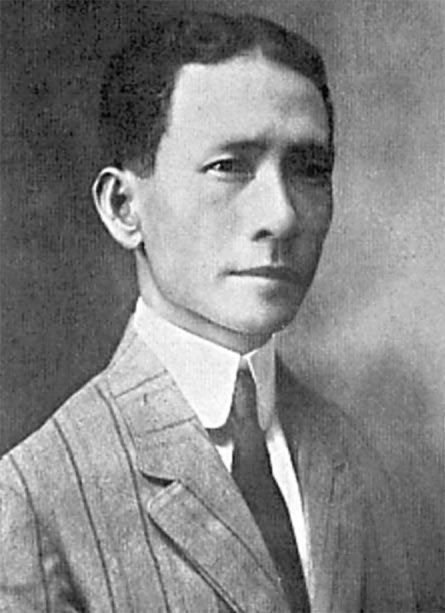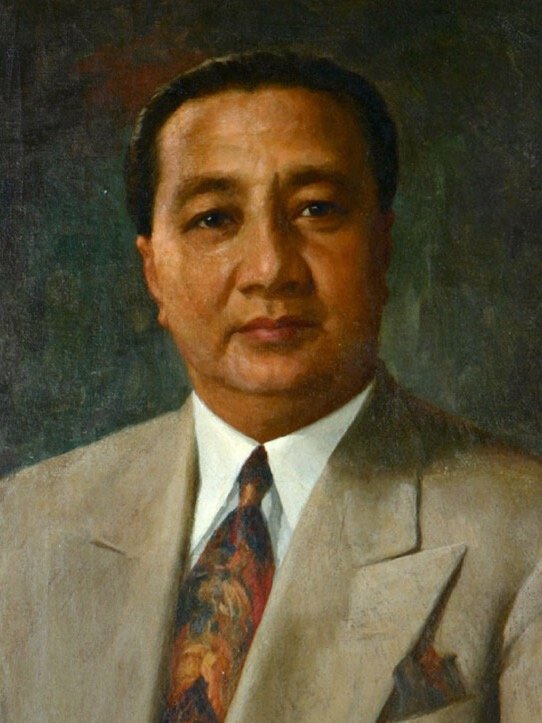
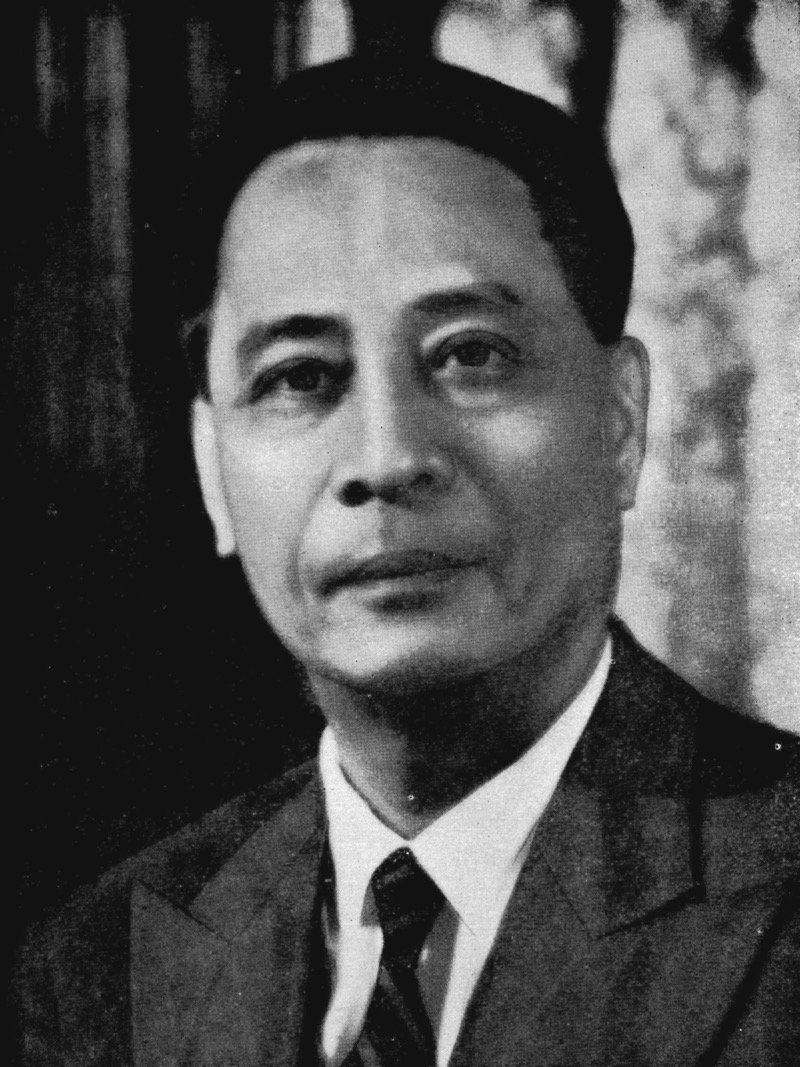
In this biography
Quick facts
- Born
- 1 January 1892
- Died
- 15 April 1948
- Birthplace
- Capiz, Capiz, Philippines
- Country
- Philippines
- Nationality
- Filipino
- Known for
- Leading the Philippines at independence in 1946 and beginning postwar reconstruction
- Commonwealth office
- President, 28 May–4 July 1946
- Republic office
- President, 4 July 1946–15 April 1948
- Historic transition
- First president of the independent Third Republic
- Died in office
- 15 April 1948
Why this life matters
Roxas presided over the legal transfer of sovereignty in 1946, while reconstruction policies preserved deep economic and security ties with the United States.
Timeline
Key moments
Born in Capiz
Born on 1 January in the town later renamed Roxas City.
Became House speaker
Rose to national prominence during the American colonial period.
Elected to the Senate
Became Senate president shortly before the Japanese invasion.
Won the presidency
Defeated Sergio Osmeña in the final Commonwealth election.
Led the country at independence
Became president of the independent republic on 4 July.
Granted collaboration amnesty
Issued a broad amnesty for political and economic collaboration during occupation.
Died in office
Died after a speech at Clark Field and was succeeded by Elpidio Quirino.
From legislature to independence
Roxas built his career in the House of Representatives, serving for years as speaker, and later became Senate president. During the Japanese occupation he held office in the wartime administration, while also maintaining contacts that supporters cited as aid to the underground; the record became part of the postwar collaboration debate.
In 1946 Roxas broke with the Nacionalista leadership, formed the Liberal Party and defeated incumbent Sergio Osmeña. He took office as the last president of the Commonwealth and, when the United States recognised Philippine independence on 4 July, became the first president of the Third Republic.
Reconstruction and unequal ties
War damage and rural unrest defined Roxas’s short presidency. His government accepted U.S. reconstruction assistance alongside the Bell Trade Act, parity rights for U.S. citizens and corporations, and a military-bases agreement. Supporters described these arrangements as essential financing; critics saw them as constraints on the new republic’s economic sovereignty.
Roxas also confronted the Huk movement and issued a 1948 amnesty covering many accused of political and economic collaboration, including José P. Laurel. He died suddenly in April 1948, leaving Vice President Elpidio Quirino to continue reconstruction and manage the conflicts left by war.
Quick answers
Frequently asked questions about Manuel Roxas
- Who was Manuel Roxas?
- Manuel Roxas was a last Commonwealth president and first president of the independent Third Republic. Roxas presided over the legal transfer of sovereignty in 1946, while reconstruction policies preserved deep economic and security ties with the United States.
- What is Manuel Roxas best known for?
- Manuel Roxas is best known for leading the Philippines at independence in 1946 and beginning postwar reconstruction.
- When and where was Manuel Roxas born?
- Manuel Roxas was born on 1 January 1892 in Capiz, Capiz, Philippines.
- When did Manuel Roxas die?
- Manuel Roxas died on 15 April 1948.
Sources and further reading
How this biography was checked
Core dates and offices are checked against the sources below. This profile was last reviewed on 8 September 2026.