In this biography
Quick facts
- Born
- 24 September 1894
- Died
- 27 October 1976
- Birthplace
- Bago, Negros Occidental, Philippines
- Country
- Philippines
- Nationality
- Filipino
- Known for
- Leading the Commonwealth National Assembly from 1939 until the Pacific War
- National Assembly speaker
- 24 January 1939–30 December 1941
- Justice secretary
- 1934–1938; 1966–1967
- Wartime judiciary
- Chief justice under the Japanese-sponsored government
- National campaigns
- Vice-president, 1953; president, 1957
Why this life matters
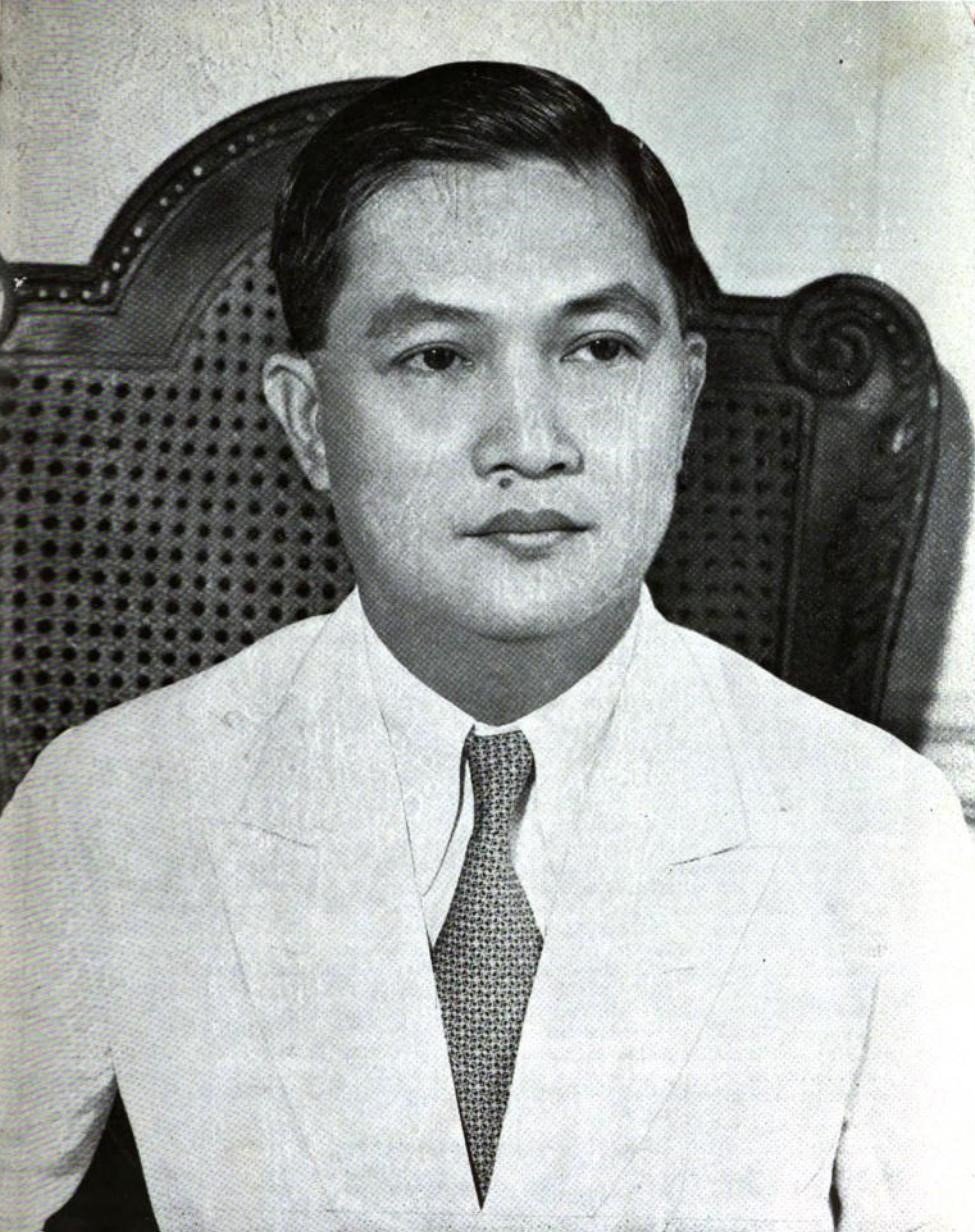
Yulo’s movement across the executive, legislature and judiciary—and his service under both Commonwealth and occupation governments—makes his career a revealing study in institutional continuity and wartime compromise.
Timeline
Key moments
Placed third in the bar examination
Completed law at the University of the Philippines and entered a prominent corporate-law career.
Directed the justice department
Served under Governor-General Frank Murphy and President Manuel Quezon during the transition to Commonwealth rule.
Became National Assembly speaker
Led the unicameral Commonwealth legislature until its term ended as war reached the Philippines.
Led the wartime Supreme Court
Served as chief justice within institutions operating under Japanese occupation.
Contested national elections
Ran for vice-president with Elpidio Quirino and later for president as the Liberal Party nominee.
Returned as justice secretary
Joined Ferdinand Marcos’s first cabinet before leaving national office.
A lawyer at the centre of Commonwealth government
Yulo built a reputation in corporate law after graduating from the University of the Philippines. His appointment as justice secretary placed him inside the legal work of the transition from American colonial administration to the Philippine Commonwealth.
He won a Negros Occidental seat in the Second National Assembly and became speaker in January 1939. The office then headed a unicameral legislature, not the post-1946 House of Representatives, and Yulo’s term ended as the Pacific War disrupted constitutional government.
Judicial authority during occupation
Japanese occupation created a coercive and contested political order. Yulo became chief justice in the occupation-era court, serving inside institutions sponsored by the occupying power while attempting to preserve a functioning judiciary.
That service remains inseparable from debates over collaboration, accommodation and survival. It should neither be described as ordinary constitutional continuity nor detached from the constraints imposed by military occupation.
Postwar rehabilitation and national campaigns
Yulo was able to resume public life after the war and was appointed to the Council of State in 1946. He became the Liberal vice-presidential candidate in 1953 and its presidential nominee in 1957, losing first to Carlos P. Garcia and then to Garcia again for the presidency.
Ferdinand Marcos later returned him to the justice portfolio. His unusual combination of legislative, judicial and executive leadership explains why Yulo is important beyond the single office of speaker.
Quick answers
Frequently asked questions about Jose Yulo
- Who was Jose Yulo?
- Jose Yulo was a national Assembly speaker, justice secretary and chief justice. Yulo’s movement across the executive, legislature and judiciary—and his service under both Commonwealth and occupation governments—makes his career a revealing study in institutional continuity and wartime compromise.
- What is Jose Yulo best known for?
- Jose Yulo is best known for leading the Commonwealth National Assembly from 1939 until the Pacific War.
- When and where was Jose Yulo born?
- Jose Yulo was born on 24 September 1894 in Bago, Negros Occidental, Philippines.
- When did Jose Yulo die?
- Jose Yulo died on 27 October 1976.
Sources and further reading
How this biography was checked
Core dates and offices are checked against the sources below. This profile was last reviewed on 9 September 2026.


