In this biography
Quick facts
- Born
- 28 March 1945
- Birthplace
- Maasin, Leyte, Philippines
- Country
- Philippines
- Nationality
- Filipino
- Known for
- A populist presidency, an anti-drug campaign and a foreign-policy shift toward China
- Presidency
- 30 June 2016–30 June 2022
- Earlier office
- Mayor of Davao City across seven terms
- Historic distinction
- First Philippine president from Mindanao
- ICC case, checked 16 October 2026
- Charges confirmed; trial opening scheduled for 30 November 2026; no conviction reported in the cited case record
Why this life matters
Duterte transformed Philippine political language and policing, weakened older party alignments and left a deeply polarising legacy now under international judicial scrutiny.
Timeline
Key moments
Born in Maasin
Born on 28 March and later raised in Davao.
Qualified as a lawyer
Completed legal training before a career in prosecution and local government.
Elected Davao mayor
Began the first of seven mayoral terms, interrupted by service in other offices.
Davao district representative
Served in the House before returning to the mayoralty.
President
Led the national administration for one six-year term.
Education and autonomy legislation
Signed the tertiary-education access law and Bangsamoro Organic Law passed by Congress.
Surrendered to the ICC
Transferred into court custody after Philippine authorities executed an arrest warrant.
Charges confirmed
Pre-Trial Chamber I committed him to trial; confirmation is not a conviction.
Trial-fitness decision made public
The ICC reported a finding of fitness to stand trial and a scheduled opening on 30 November 2026.
From legal work to Davao City politics
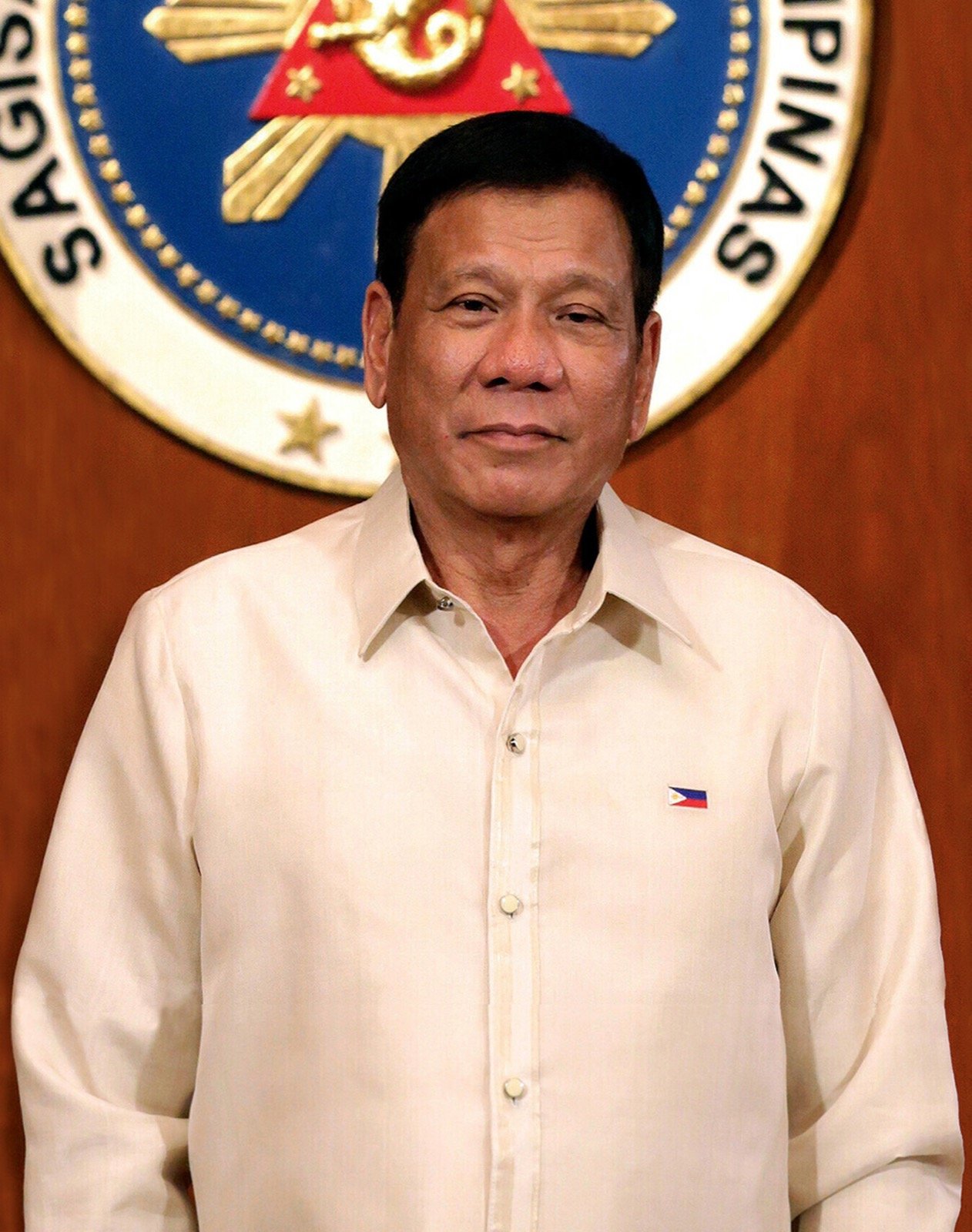
Rodrigo Roa Duterte was born in Maasin on 28 March 1945 and grew up in Davao. His official biography records legal training, qualification as a lawyer in 1972 and work as a prosecutor before elected office. These earlier roles placed his later law-and-order political identity within a career in local institutions, rather than beginning with his presidential campaign.
He first won the Davao mayoralty in 1988 and held it across seven terms, interrupted by service in other offices, including the House of Representatives from 1998 to 2001. The interrupted chronology matters: “seven terms” does not mean an uninterrupted mayoralty extending from 1988 to the presidency. Davao provided his political base, but the national office carried a different constitutional mandate.
Sources for this section: [1]
The 2016 presidency and its national mandate
Duterte took the presidential oath on 30 June 2016 as the first Philippine president from Mindanao. His administration lasted until 30 June 2022. The Presidential Communications Office’s inauguration account records that geographic distinction; it should not be confused with a claim that he was born in Mindanao, since Maasin is in Leyte.
His campaign against illegal drugs became the defining and most internationally contested element of his presidency. It also placed questions of policing, executive rhetoric and protection of life at the centre of his record. A biography must examine those questions alongside enacted policies, not treat electoral success as an answer to allegations of unlawful conduct.
Tertiary education and Bangsamoro legislation
Republic Act No. 10931, signed in 2017, created a framework for free tuition and specified school fees in eligible public tertiary institutions, alongside subsidies and student loans. It was not a promise that every course at every private university became free. Eligibility, institutional coverage and implementation remained part of the statute.
Republic Act No. 11054 in 2018 provided the organic law for the Bangsamoro Autonomous Region in Muslim Mindanao. Its structure recognised regional self-government within the Philippine constitutional order, not an independent country. Both laws were congressional enactments signed during Duterte’s presidency. They should be discussed as institutional measures rather than credited to one individual as their sole author or treated as proof that every intended outcome was achieved.
The UN human-rights assessment
In June 2020, the UN Human Rights Office reported widespread violations connected with the anti-drug campaign, including killings, arbitrary detention and persistent impunity. Its published account describes analysis of official material, written submissions and testimony, rather than relying solely on one political opponent’s criticism. These are attributed findings of that assessment, not a criminal judgment against Duterte.
The office also examined threats to civic space, rhetoric against critics and abuses by non-state armed actors. That broader scope matters when reading the report, without diluting its findings concerning state conduct. Its publication date likewise matters: a 2020 assessment cannot serve as a current total of deaths or as the outcome of a court proceeding conducted years later.
Sources for this section: [8]
ICC proceedings: status checked on 16 October 2026
The ICC records Duterte’s surrender into its custody on 12 March 2025 and confirmation of three counts of crimes against humanity on 23 April 2026. The alleged conduct covers 1 November 2011 to 16 March 2019, spanning part of his local and presidential careers. Confirmation committed the case to trial; it did not establish guilt beyond reasonable doubt.
An ICC announcement on 8 October 2026 made public the Trial Chamber’s fitness decision, dated 28 September. It stated that the trial opening was scheduled for 30 November 2026. That date was still in the future at this review and may change. The cited record does not report a conviction: allegations, confirmation, fitness to participate and a final judgment are separate legal questions.
Quick answers
Frequently asked questions about Rodrigo Duterte
- When was Rodrigo Duterte president?
- He served from 30 June 2016 to 30 June 2022, after a long political career based in Davao City.
- Did the free-tuition law make all university study free?
- No. Republic Act No. 10931 defines covered public institutions and eligibility, and also provides subsidy and loan mechanisms. It does not abolish all private-university fees.
- What was his ICC case status at this review?
- As checked on 16 October 2026, charges had been confirmed and the trial opening was scheduled for 30 November 2026. The cited court record did not report a conviction.
- Does confirmation of ICC charges mean Duterte was convicted?
- No. Confirmation sends charges forward for trial under a different evidentiary threshold. It is not a final determination of criminal guilt.
Keep exploring
Lives connected to this story
- Benigno Aquino III
Compare the preceding presidency and the policy context he inherited.
- Ferdinand Marcos Jr.
Continue to the presidency that began in June 2022.
- Jose W. Diokno
Explore an earlier Philippine career centred on rights, legal representation and accountability.
Sources and further reading
Explore the evidence
These references support the biography and offer further reading. Official records, first-person accounts and independent reporting provide different perspectives; image records document attribution and licensing.
- 1. Department of Foreign Affairs, Philippine Embassy in ParisOfficial biography of President Rodrigo Duterte
The embassy biography’s indexed passage supports education, prosecution and earlier office chronology. Direct retrieval was restricted; no complete PDF inspection is claimed and its political superlatives are not adopted.
- 2. Presidential Communications OfficeDuterte sworn in as the first president from Mindanao
- 3. International Criminal CourtSituation in the Philippines — Duterte case overview
- 4. Office of the UN High Commissioner for Human RightsReport on the human rights situation in the Philippines
- 5. Wikimedia CommonsPortrait and licence record
- 6. The LawPhil ProjectRepublic Act No. 10931, 2017: tertiary-education access and eligibility
- 7. The LawPhil ProjectRepublic Act No. 11054, 2018: Bangsamoro Organic Law
- 8. UN Human Rights OfficePhilippines report: findings and methodology, 4 June 2020
The UN’s 2020 assessment is attributed and dated. Its findings and estimates are not substituted for an ICC verdict or a current death toll.
- 9. International Criminal CourtDuterte case: confirmation, alleged period and scheduled trial
Official indexed court text was available although direct retrieval was restricted. The case is no longer described as merely pre-trial; confirmation is not a conviction.
- 10. International Criminal CourtFitness-to-stand-trial announcement, 8 October 2026
The court’s 8 October announcement reports a decision dated 28 September and a future trial opening on 30 November 2026. The schedule is dated, not guaranteed.