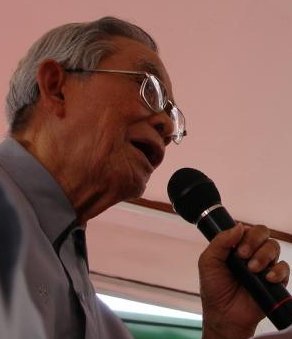

In this biography
Quick facts
- Born
- 1 September 1907
- Died
- 23 March 1981
- Birthplace
- Manila, Philippines
- Country
- Philippines
- Nationality
- Filipino
- Known for
- Leading the Philippine Senate from 1967 until its closure under martial law in 1972
- Senate president
- 26 January 1967–23 September 1972
- Senate service
- 1951–1972
- Academic role
- Dean of business administration, University of the Philippines
- Historical distinction
- Last Senate president before the martial-law closure
Why this life matters
Puyat led the upper chamber during the deepening crisis of the Marcos presidency, making his tenure inseparable from the institutional break of September 1972.
Timeline
Key moments
Excelled in business studies
Graduated from the University of the Philippines and began an academic and commercial career.
Led the UP business school
Served as dean before the Pacific War interrupted civilian institutions.
Entered the Senate
Won the first of successive national mandates and specialised in economic and fiscal questions.
Became Senate president
Succeeded Arturo Tolentino during the first Marcos administration.
The chamber was closed
The public announcement and enforcement of martial law ended ordinary work by the elected Congress.
Died in Manila
His National Historical Commission marker records the date, correcting a 1980 date on an older Senate page.
Business education and civic leadership
Puyat trained in commerce at the University of the Philippines, taught business subjects and became a young dean. He then built a career across business associations, banking and civic organisations before seeking national office.
That background shaped his political identity as a legislator focused on finance, industry and economic management. It also distinguished him from Senate leaders who had entered public life primarily through law or provincial government.
Two decades in the Senate
First elected in 1951, Puyat served continuously through the postwar expansion of the economy and the return of the Nacionalista Party to executive power. He became Senate president in January 1967, succeeding Arturo Tolentino.
As presiding officer he operated within a chamber that still contained a strong opposition and national policy voice. The political climate deteriorated through protest, insurgency, constitutional debate and increasing concentration of power around President Ferdinand Marcos.
The last president before closure
Martial law was publicly announced and enforced on 23 September 1972. Congress was prevented from meeting, ending Puyat’s active presidency and the continuity of the elected Senate even though later constitutional arrangements formalised a different legislature.
The Senate did not return until 1987. Puyat therefore stands at one side of a fifteen-year institutional gap: the final leader of the pre-martial-law chamber, with Jovito Salonga becoming the first president after democratic restoration.
Quick answers
Frequently asked questions about Gil Puyat
- Who was Gil Puyat?
- Gil Puyat was a business leader and last Senate president before martial law. Puyat led the upper chamber during the deepening crisis of the Marcos presidency, making his tenure inseparable from the institutional break of September 1972.
- What is Gil Puyat best known for?
- Gil Puyat is best known for leading the Philippine Senate from 1967 until its closure under martial law in 1972.
- When and where was Gil Puyat born?
- Gil Puyat was born on 1 September 1907 in Manila, Philippines.
- When did Gil Puyat die?
- Gil Puyat died on 23 March 1981.
Sources and further reading
How this biography was checked
Core dates and offices are checked against the sources below. This profile was last reviewed on 9 September 2026.