In this biography
Quick facts
- Born
- 1960
- Birthplace
- San Fernando, Philippines
- Country
- Philippines
- Nationality
- Filipino
- Known for
- Masahista, Kinatay, Thy Womb and Ma’ Rosa, with distinct directing and acting honours for collaborators
- Birth year and place
- 1960; San Fernando, Philippines
- Education
- BFA Advertising Arts, University of Santo Tomas, 1982
- Feature debut
- Masahista / The Masseur, 2005
- Locarno debut award
- Golden Leopard video award, not main competition
- Cannes 2009
- Best Director for Kinatay
- Ma’ Rosa, 2016
- Cannes Best Actress awarded to Jaclyn Jose
Why this life matters
His films turn concrete locations and daily routines into settings for difficult choices, connecting a visual-design background with an immediate dramatic style.
Timeline
Key moments
Birth
Born in San Fernando, Philippines.
Advertising Arts
Graduated with a BFA from the University of Santo Tomas.
Masahista
Feature debut received Locarno’s Golden Leopard video award.
Serbis
Selected for Cannes’s main competition.
Kinatay
Won Cannes’s Best Director award, distinct from the Palme d’Or.
Thy Womb
Nora Aunor starred as Shaleha.
Ma’ Rosa
Competed at Cannes; Jaclyn Jose received Best Actress.
Advertising arts and production design
Brillante Mendoza was born in San Fernando in 1960. The University of Santo Tomas identifies him as a 1982 Advertising Arts graduate within its Bachelor of Fine Arts programme. His education was not an advertising degree at the University of the Philippines, nor does the college’s former name establish an architecture qualification.
Before directing features, Mendoza worked in production design for film, television and advertising. Filmportal’s institutional biography also records the establishment of Centerstage in 2005. His directing career therefore followed substantial experience constructing visual settings for other productions, bringing practical knowledge of locations, spaces and images into his own films.
Masahista and the early festival breakthrough
Mendoza made his feature debut with Masahista, also known as The Masseur, in 2005. The Cannes-hosted Kinatay press kit identifies its Locarno recognition as the Golden Leopard video award. That specific category is important: it should not be converted into the festival’s main-competition Golden Leopard.
His early directing career developed quickly into international festival participation. Serbis appeared in Cannes’s feature competition in 2008, and Kinatay returned to that competition the following year. These separate films establish the chronology of his breakthrough more accurately than assigning every major recognition to the debut or treating a festival selection as an award.
Kinatay and an immersive dramatic method
Kinatay earned Mendoza Cannes’s Best Director award in 2009, not the Palme d’Or. In the film’s production notes, he explains an approach that draws viewers into Peping’s frightening journey with criminals. Extended passages inside a van unfold in real time, while information becomes available gradually rather than through reassuring explanations.
Mendoza describes these choices as a way of bringing the audience closer to the character’s experience. Different recording formats distinguish the bright daytime and dark night sections. The techniques help explain the raw, documentary-like effect as a constructed dramatic method, rather than a claim that the film itself is an unmediated documentary record.
Thy Womb and Ma’ Rosa
Thy Womb, released in 2012, features Nora Aunor as Shaleha, a childless Muslim midwife living with her husband on a remote island. Their search for a child leads her to suggest another marriage for him. Fishing, sewing and work within the community place that difficult choice inside the texture of daily life.
Ma’ Rosa, selected for Cannes competition in 2016, turns to a Manila shopkeeper’s household, where a narcotics arrest exposes the family to police corruption. The Cannes acting prize went to Jaclyn Jose. Her Best Actress award belongs to that performance; Mendoza’s own directing victory remains the separate 2009 recognition for Kinatay.
Quick answers
Frequently asked questions about Brillante Mendoza
- Where did Brillante Mendoza study?
- The University of Santo Tomas, graduating in BFA Advertising Arts in 1982.
- What was his feature debut?
- Masahista, also known as The Masseur, in 2005.
- Did Kinatay win the Palme d’Or?
- No. Mendoza received Cannes’s Best Director award in 2009.
- Who won Cannes Best Actress for Ma’ Rosa?
- Jaclyn Jose, in 2016.
Keep exploring
Lives connected to this story
- Jaclyn Jose
Read about the actress who won Cannes Best Actress for her performance in his Ma’ Rosa.
- Nora Aunor
Read about the performer who plays Shaleha in Mendoza’s Thy Womb.
- Lav Diaz
Compare another Philippine filmmaker’s different use of duration, history and social experience.
Sources and further reading
Explore the evidence
These references support the biography and offer further reading. Official records, first-person accounts and independent reporting provide different perspectives; image records document attribution and licensing.
- 1. Filmportal · institutional biographyBirth year/place, design background and Centerstage
- 2. UST Office of Alumni RelationsBFA Advertising Arts, 1982
The institution is UST and the qualification Advertising Arts, not UP or an inferred architecture degree.
- 3. Festival de Cannes · filmmaker recordSelections and 2009 Best Director
- 4. Festival de Cannes · Kinatay press kitLocarno video category and production method
Masahista received the Golden Leopard video award, not the main-competition award. Kinatay’s production notes describe fiction-making techniques.
- 5. Viennale · Thy WombNora Aunor, Shaleha, setting and story
- 6. Festival de Cannes · Ma’ Rosa2016 competition entry, plot and credits
- 7. Festival de Cannes · Jaclyn Jose2016 Best Actress award
Ma’ Rosa’s 2016 acting award went to Jaclyn Jose; it is not another Mendoza directing prize.
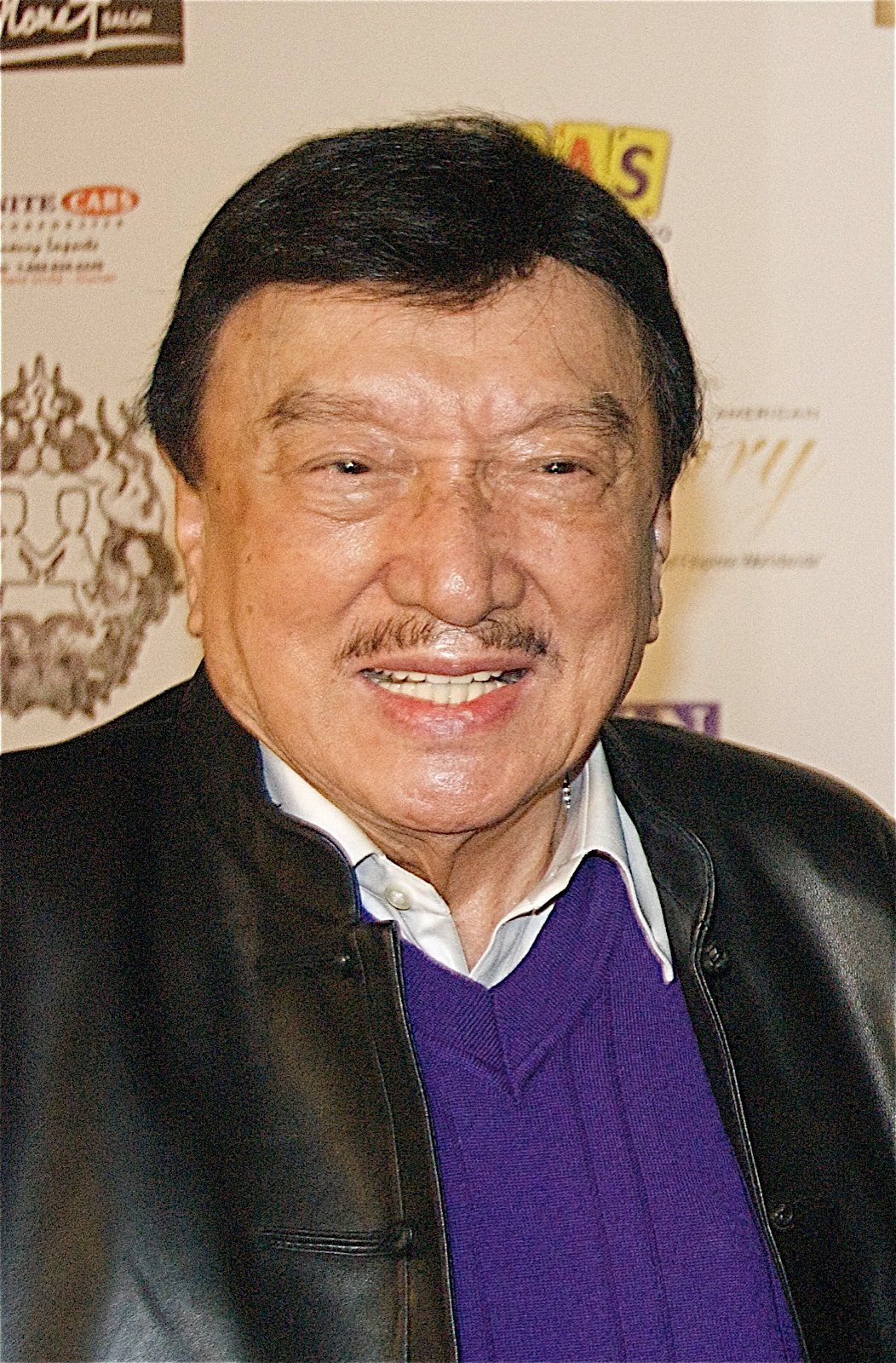
- 8. Wikimedia Commons · FryVenice portrait and reviewed Flickr CC BY-SA 2.0
The caption identifies a September 2012 Venice event, while the Commons date field says February 2013. No exact capture day is asserted. The source passed licence review on 11 September 2020.