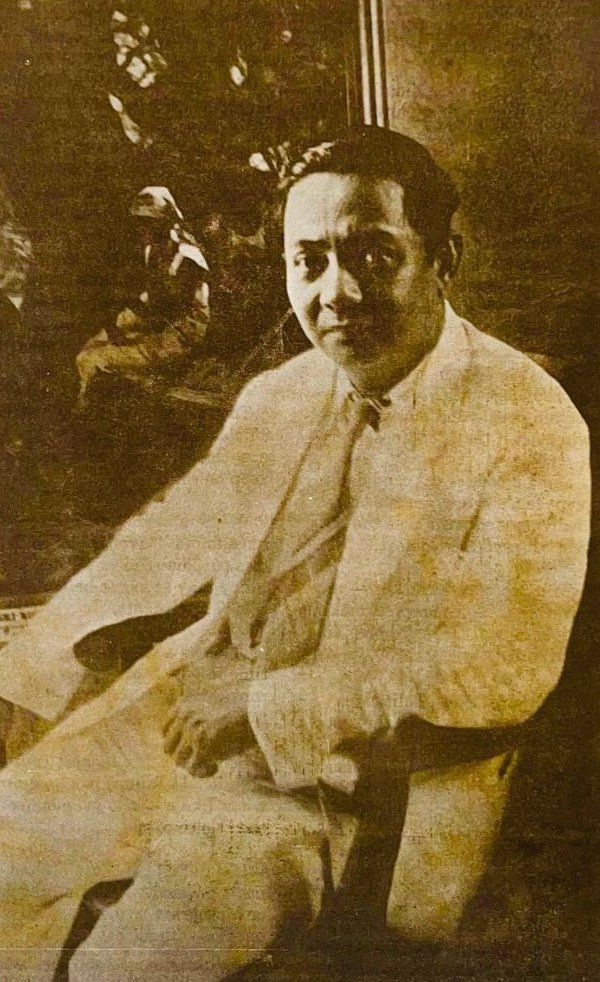
In this biography
Quick facts
- Born
- 30 May 1892
- Died
- 24 April 1972
- Birthplace
- Paco, Manila, Philippines
- Country
- Philippines
- Nationality
- Filipino
- Known for
- Luminous rural scenes, portraits and wartime paintings
- National honour
- First National Artist of the Philippines, 1972
- Medium
- Oil painting, drawing and illustration
- Academic role
- Director of the University of the Philippines School of Fine Arts
- Known for
- Backlit rural landscapes and genre scenes
Why this life matters
Amorsolo’s technical command and enormous output made him foundational to twentieth-century Philippine art, while later criticism tested the ideals embedded in his pastoral vision.
Timeline
Key moments
Born in Manila
Born in Paco on 30 May and spent part of his childhood in Camarines Norte.
Graduated in fine arts
Completed studies at the University of the Philippines.
Led the UP School of Fine Arts
Became director after years of teaching.
Recorded wartime Manila
Painted destruction, fear and survival during the Japanese occupation.
Named first National Artist
Received the new national honour shortly after his death.
Light, labour and an idealised countryside
Amorsolo studied at the University of the Philippines School of Fine Arts and later trained in Spain. As an illustrator, teacher and painter, he developed a distinctive use of backlighting that gave figures and landscapes a warm, glowing atmosphere.
Harvests, markets, bathing scenes and village life became central subjects. These paintings were technically admired and commercially popular, but their idealisation has also prompted questions about which realities of rural life they softened or excluded.
War, portraiture and national canon
During the Japanese occupation, Amorsolo painted burning buildings, refugees and violence in Manila. The darker wartime images complicate the familiar view of him as only a painter of pastoral abundance.
He also produced many portraits and trained generations of artists through the University of the Philippines. In 1972 the government declared him the country’s first National Artist, making his work a starting point for debates about the Philippine visual canon.
Quick answers
Frequently asked questions about Fernando Amorsolo
- Who was Fernando Amorsolo?
- Fernando Amorsolo was a painter and first National Artist of the Philippines. Amorsolo’s technical command and enormous output made him foundational to twentieth-century Philippine art, while later criticism tested the ideals embedded in his pastoral vision.
- What is Fernando Amorsolo best known for?
- Fernando Amorsolo is best known for luminous rural scenes, portraits and wartime paintings.
- When and where was Fernando Amorsolo born?
- Fernando Amorsolo was born on 30 May 1892 in Paco, Manila, Philippines.
- When did Fernando Amorsolo die?
- Fernando Amorsolo died on 24 April 1972.
Sources and further reading
How this biography was checked
Core dates and offices are checked against the sources below. This profile was last reviewed on 8 September 2026.