In this biography
Quick facts
- Born
- 8 February 1960
- Died
- 24 June 2021
- Birthplace
- Manila, Philippines
- Country
- Philippines
- Nationality
- Filipino
- Known for
- A good-governance platform, sustained economic growth and the South China Sea arbitration
- Office
- President, 2010–2016
- Political coalition
- Liberal Party
- Governance programme
- Daang Matuwid, or Straight Path
- Maritime case initiated
- Philippines v. China, 2013
Why this life matters
Aquino’s term tied institutional reform and macroeconomic confidence to a rules-based foreign-policy strategy, while major crises tested state capacity and accountability.
Timeline
Key moments
Born in Manila
Born on 8 February, the only son of Corazon and Benigno Aquino Jr.
Entered the House
Won the first of three terms representing Tarlac’s second district.
Elected to the Senate
Moved from the House to a national legislative seat.
Won the presidency
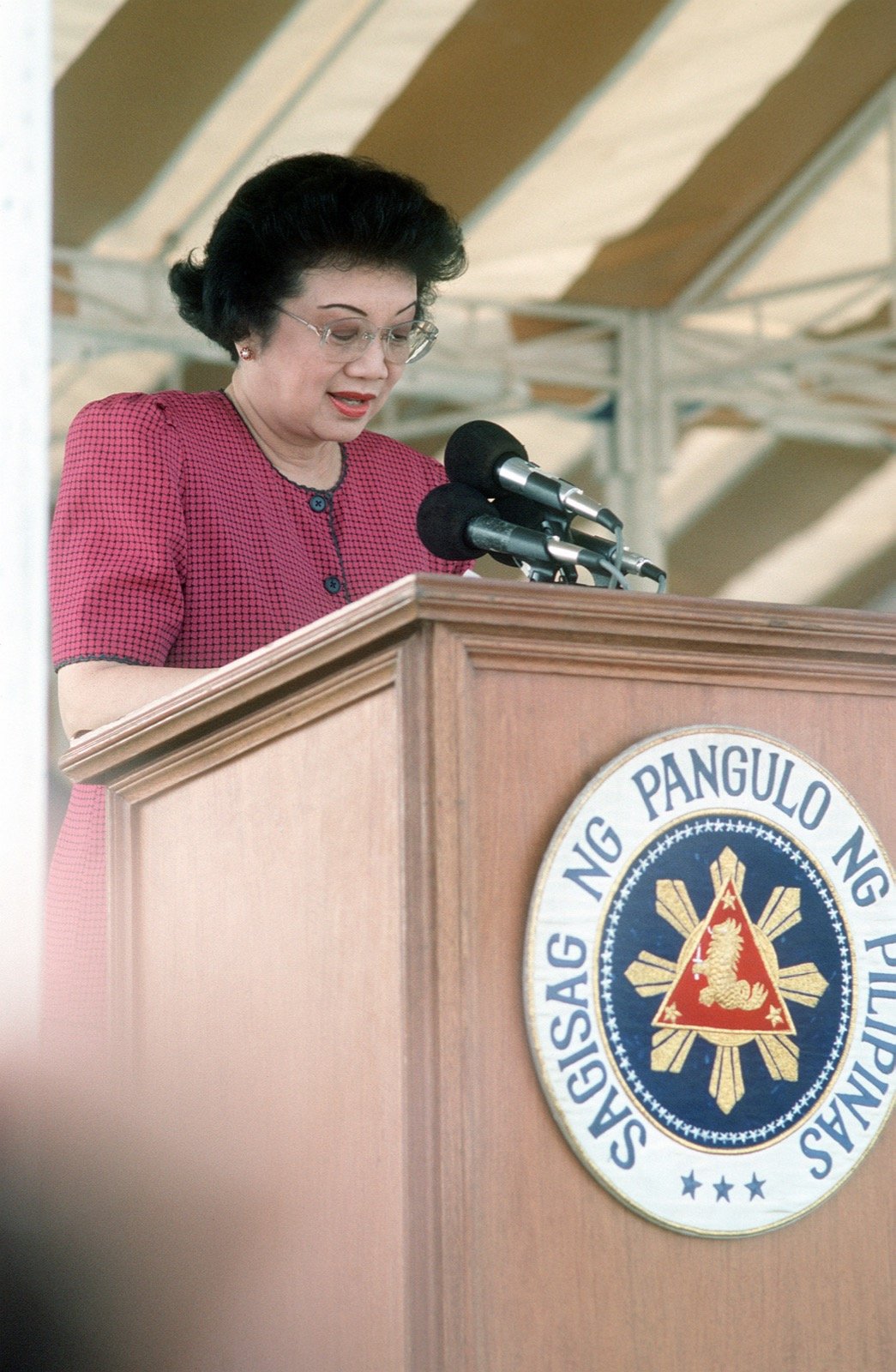
Campaigned on clean government after the death of his mother, Corazon Aquino.
Initiated maritime arbitration
The Philippines began proceedings against China under the UN Convention on the Law of the Sea.
Mamasapano crisis
A counterterrorism operation left 44 police commandos and others dead, triggering demands for accountability.
Completed his term
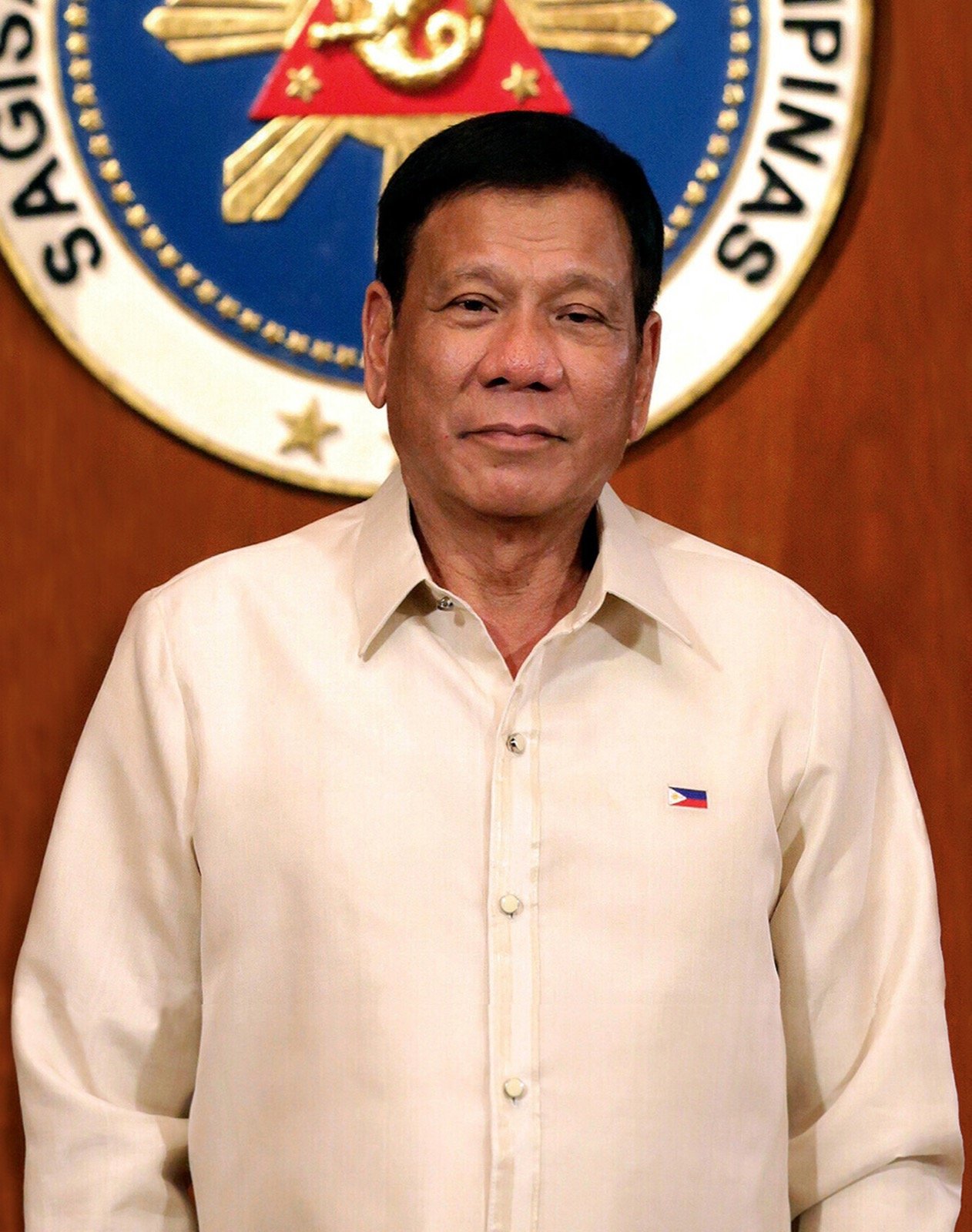
Transferred power to Rodrigo Duterte; the maritime award followed twelve days later.
Died in Quezon City
Died of renal disease secondary to diabetes on 24 June.
A presidency built around the Straight Path
Aquino was elected to the House in 1998 and the Senate in 2007. The assassination of his father had defined the family’s place in the anti-dictatorship movement, while the 2009 death of his mother, former president Corazon Aquino, accelerated calls for him to run for president.
His 2010 campaign presented corruption as a cause of poverty and promised a “Daang Matuwid”, or Straight Path. During his six-year term the economy grew rapidly and the Philippines received investment-grade credit ratings. His government expanded social programmes and enacted measures including reproductive-health and K–12 education reforms, while critics questioned whether growth reduced inequality fast enough.
Rules abroad, accountability at home
After repeated confrontations in the South China Sea, the Aquino government initiated arbitration against China in January 2013 under the UN Convention on the Law of the Sea. The tribunal’s 2016 award was issued shortly after he left office and became a lasting element of Philippine maritime policy, though China rejected the proceedings and award.
Aquino’s record was also tested by Typhoon Haiyan, disputes over budget mechanisms and the 2015 Mamasapano operation, in which 44 Special Action Force commandos, Moro fighters and civilians were killed. He completed his constitutionally limited term in 2016 and largely withdrew from public life before his death in 2021.
Quick answers
Frequently asked questions about Benigno Aquino III
- Who was Benigno Aquino III?
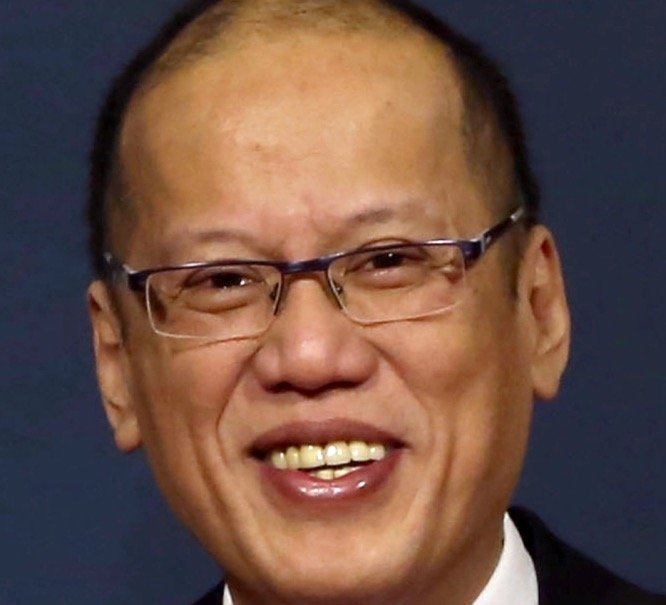
- Benigno Aquino III was a president of the Philippines, 2010–2016. Aquino’s term tied institutional reform and macroeconomic confidence to a rules-based foreign-policy strategy, while major crises tested state capacity and accountability.
- What is Benigno Aquino III best known for?
- Benigno Aquino III is best known for a good-governance platform, sustained economic growth and the South China Sea arbitration.
- When and where was Benigno Aquino III born?
- Benigno Aquino III was born on 8 February 1960 in Manila, Philippines.
- When did Benigno Aquino III die?
- Benigno Aquino III died on 24 June 2021.
Sources and further reading
How this biography was checked
Core dates and offices are checked against the sources below. This profile was last reviewed on 8 September 2026.