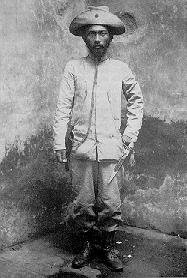
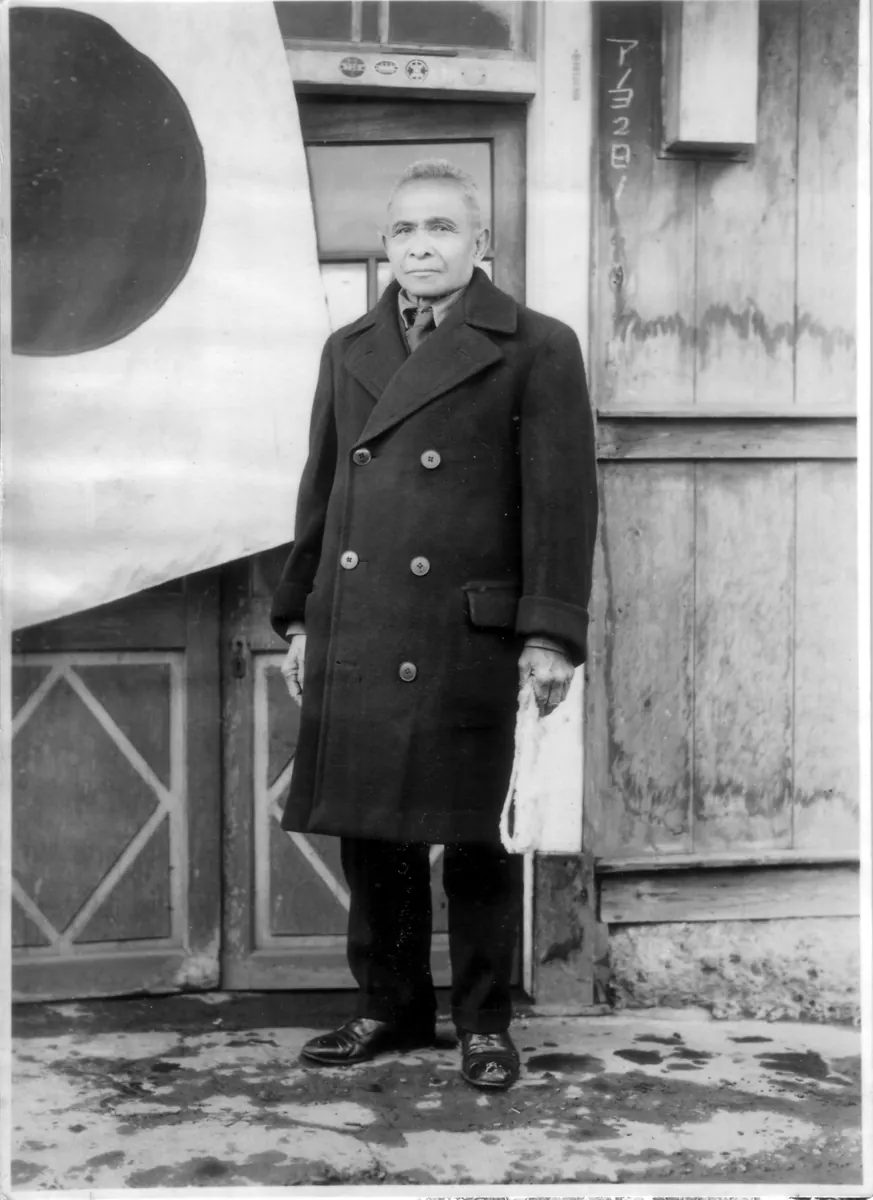
In this biography
Quick facts
- Born
- 1868 or 1871 (sources differ)
- Died
- August 1947
- Birthplace
- Pototan, Iloilo, Philippines
- Country
- Philippines
- Nationality
- Filipino
- Known for
- Leading fighters in Panay against Spanish and American forces
- Known as
- Nay Isa
- Earlier profession
- Schoolteacher
- Region of command
- Panay
- Popular epithet
- Visayan Joan of Arc
Why this life matters
Magbanua expands military history beyond Luzon and male command, linking local knowledge, women’s leadership and guerrilla resistance across successive occupations.
Timeline
Key moments
Birth year disputed
The NHCP marker records 1868; an NCCA cultural profile gives 4 November 1871. Both place her birth in Pototan, Iloilo.
Joined the revolutionary forces
Joined the Panay revolutionary movement and received command under General Perfecto Poblador; NCCA places her entry as early as 1896.
Commanded at Yating and Sapong
Led fighters in early engagements against Spanish forces in Capiz and Iloilo.
Resisted American advance in Panay
Helped defend the Balantang–Tacas–Jibao line before continuing through guerrilla warfare.
Died in Mindanao
Died in Zamboanga in August after spending her later years away from Iloilo.
Teacher, farmer and horsewoman
Teresa Magbanua studied in Iloilo and Manila and worked as a schoolteacher before marrying Alejandro Balderas. Life on their farm gave her regular experience with horses and firearms, skills that became militarily useful when revolution reached Panay.
Her background resists a simple division between civilian and soldier. Teaching, agricultural management and local family networks all contributed to the authority and practical knowledge she carried into revolutionary command.
Her birth details are less settled than many short biographies suggest. An NHCP marker places her birth in 1868, but the NCCA’s cultural profile gives 4 November 1871. Without a linked contemporary birth record, neither full date should be presented as undisputed.
Command in the Visayas
Magbanua joined the Panay revolutionary movement by 1898 and persisted until her uncle, General Perfecto Poblador, gave her command. The NCCA account places her entry as early as 1896; its dated battle account records fighting at Yoting and Sapong Hills in December 1898.
When American forces replaced Spain as the opposing power, she continued resistance and turned to guerrilla methods. The campaign eventually became unsustainable, and she disbanded her remaining fighters rather than treating defeat as a single battlefield event.
Sources for this section: [2]
Why her biography changes the map of the war
Magbanua is often called the “Visayan Joan of Arc.” The epithet made her memorable, but it can also hide what was specifically Filipino and regional about her leadership: knowledge of Panay, kinship within the revolutionary command and the ability to mobilise fighters in a rural society.
She later supported resistance during the Japanese occupation according to official commemorative accounts. Remembering her across three conflicts keeps women and the Visayas inside a national story too often organised around male leaders in Luzon.
Quick answers
Frequently asked questions about Teresa Magbanua
- Who was Teresa Magbanua?
- Teresa Magbanua was a teacher and revolutionary commander. Magbanua expands military history beyond Luzon and male command, linking local knowledge, women’s leadership and guerrilla resistance across successive occupations.
- What is Teresa Magbanua best known for?
- Teresa Magbanua is best known for leading fighters in Panay against Spanish and American forces.
- When was Teresa Magbanua born?
- Published Philippine sources disagree on Teresa Magbanua’s birth. An NHCP historical marker gives 1868, while the NCCA cultural entry gives 4 November 1871. This profile does not present either date as certain without a contemporaneous birth record.
- When did Teresa Magbanua die?
- Teresa Magbanua died in August 1947.
Keep exploring
Lives connected to this story
- Emilio Aguinaldo
The First Republic president whose revolutionary government frames Magbanua’s Panay campaign.
- Gregoria de Jesús
Another woman whose organisational work broadens the history of the Philippine Revolution.
Sources and further reading
Explore the evidence
These references support the biography and offer further reading. Official records, first-person accounts and independent reporting provide different perspectives; image records document attribution and licensing.
- 1. National Historical Commission of the PhilippinesThe Magbanua family historical marker
The NHCP registry reproduces a 1974 marker that gives her birth year as 1868, without a day or month. A commemorative marker is not a contemporary birth record.
- 2. CulturEd — Philippine Cultural Education OnlineTeresa Magbanua
The NCCA-linked cultural entry gives 4 November 1871, places her entry into the uprising around 1896 and records the 1898 battles; these details differ from other accounts.
- 3. Philippine StudiesWomen in the Philippine Revolution