In this biography
Quick facts
- Born
- 14 February 1924
- Died
- 13 November 2025
- Birthplace
- Gonzaga, Cagayan, Philippines
- Country
- Philippines
- Nationality
- Filipino
- Known for
- Administering martial law under Marcos, then withdrawing support during the 1986 EDSA uprising
- Legal education
- UP law, 1953; Harvard LL.M., 1955
- Defence portfolio
- 1970–1971 and 1972–1986
- Senate service
- 1987–1992, 1995–2001 and 2004–2016
- Senate president
- 2008–2013
- PDAF cases
- Plunder acquittal in 2024; 15 graft-count acquittals in October 2025
- Final office
- Chief presidential legal counsel, 2022–2025
Why this life matters
Enrile occupied power on both sides of the 1986 rupture, making his long and controversial career essential to understanding institutional continuity from dictatorship into democracy.
Timeline
Key moments
Born in Cagayan
Born on 14 February in Gonzaga.
Legal education
Completed law at UP and an LL.M. at Harvard before private practice.
Defence and martial law
Held the defence portfolio when Marcos issued Proclamation No. 1081.
Broke with Marcos
Withdrew support with Fidel Ramos during the 22–25 February uprising.
Senate and House service
Served four Senate terms, separated by a 1992–1995 House term and another interval outside the Senate.
Senate president
Led the chamber and presided over the Corona impeachment trial.
Granted bail
Supreme Court ordered provisional release, not acquittal.
Separate acquittals
Plunder acquittal on 4 October 2024; acquittal on 15 graft counts on 24 October 2025.
Death
Died on 13 November, aged 101, while serving as chief presidential legal counsel.
Legal training and entry into national administration
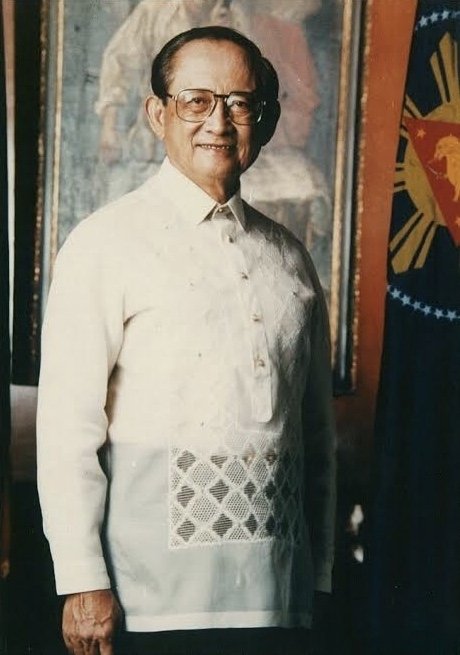
Juan Ponce Enrile was born in Gonzaga, Cagayan, on 14 February 1924. He completed law at the University of the Philippines in 1953 and a Master of Laws at Harvard in 1955, concentrating on taxation and corporate reorganisation. Private legal practice preceded senior appointments in finance, customs, justice and defence under Ferdinand Marcos.
These posts placed a lawyer inside the machinery of national administration before he became an elected senator. His Senate résumé documents professional qualifications, while later institutional tributes provide the completed career. An older profile describing him as the sitting Senate president is a historical snapshot, not evidence that he held the office continuously until his death.
Defence responsibilities under martial law
Enrile held the defence portfolio in 1970–1971 and again from 1972 to 1986. In September 1972, Marcos placed the country under martial law through Proclamation No. 1081. Its text instructed the secretary of national defence and the armed forces to implement the new order, including detention-related powers. Enrile therefore occupied an operational position within authoritarian government, not merely an advisory role outside it.
The proclamation is evidence of the regime’s claimed legal authority and instructions, not independent confirmation of every allegation in its preamble. Restrictions on political opposition and civil liberties formed the setting of his long defence tenure. His later participation in ending Marcos’s rule does not erase that earlier responsibility or make retrospective accounts a sufficient substitute for contemporary orders.
The February 1986 breakaway and civilian protection
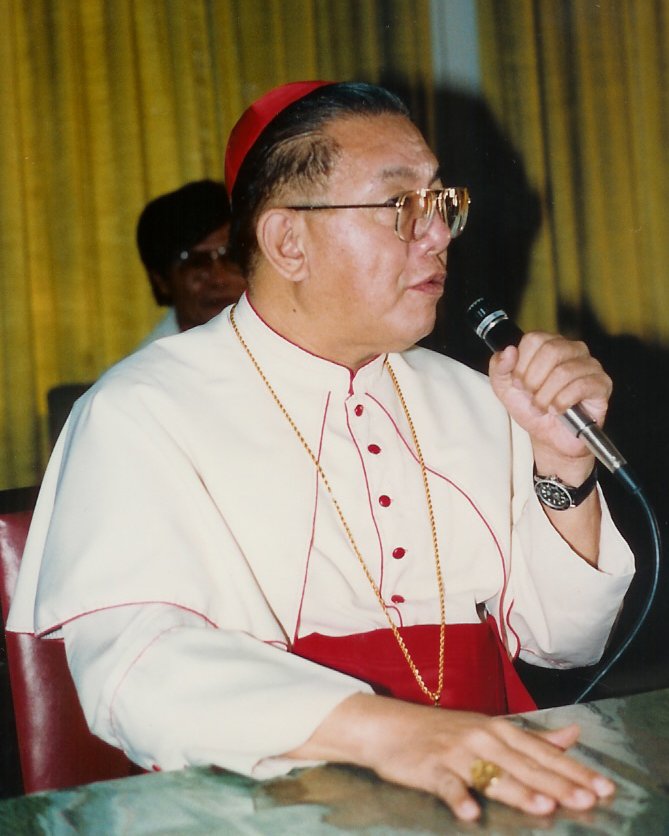
In February 1986, Enrile and Fidel Ramos withdrew support from Marcos and took refuge with rebel forces in the military camps along EDSA. The NHCP marker situates the confrontation on 22–25 February and records Cardinal Jaime Sin’s appeal for civilians to protect the breakaway group. Military defection and civilian mobilisation became interdependent parts of the crisis.
Corazon Aquino took her presidential oath on 25 February, and the Marcos family left Malacañang that night. Enrile’s role was consequential, but the uprising was not his achievement alone: opposition organising, civilian participation and further defections changed the balance. His career crossed the rupture from service inside the dictatorship to influence in the political order that followed.
Four Senate terms and the presidency of the chamber
Enrile served in the Senate in 1987–1992 and 1995–2001, then held two consecutive terms from 2004 to 2016. Between the first two Senate terms he represented Cagayan in the House in 1992–1995. These were four Senate terms, not one uninterrupted stretch from the EDSA transition onwards.
As Senate president from 2008 to 2013, he presided over the impeachment trial of Chief Justice Renato Corona. That institutional role was different from being a judge in an ordinary criminal prosecution. In 2022 he returned to executive service as chief presidential legal counsel to Ferdinand Marcos Jr., a later appointment that illustrates the persistence and changing alliances of his political career.
Bail, later acquittals and death in 2025
The PDAF proceedings require separate dates and outcomes. In August 2015, the Supreme Court granted Enrile provisional release on a one-million-peso cash bond, considering age, health and the purposes of bail. It did not acquit him. PNA later reported a plunder acquittal on 4 October 2024 because the prosecution had not proved guilt beyond reasonable doubt.
A separate decision on 24 October 2025 acquitted him and co-accused on fifteen graft counts. Those outcomes should not be merged with the earlier bail order or described as convictions. Enrile died on 13 November 2025, aged 101. His completed life encompasses martial-law administration, the EDSA breakaway, elected leadership and litigation, each requiring its own evidence rather than a single celebratory or condemnatory label.
Quick answers
Frequently asked questions about Juan Ponce Enrile
- How many Senate terms did Juan Ponce Enrile serve?
- Four: 1987–1992, 1995–2001, 2004–2010 and 2010–2016. He also represented Cagayan in the House in 1992–1995.
- Did the 2015 bail ruling acquit him?
- No. It ordered provisional release on a cash bond. Bail and acquittal are distinct outcomes.
- What happened to his PDAF plunder and graft cases?
- PNA reported acquittal in the plunder case on 4 October 2024 and on fifteen graft counts on 24 October 2025, for failure to prove guilt beyond reasonable doubt.
- When did Juan Ponce Enrile die?
- On 13 November 2025, aged 101, while serving as chief presidential legal counsel. He was Senate president earlier, from 2008 to 2013.
Keep exploring
Lives connected to this story
- Fidel V. Ramos
Follow the military leader who joined the February 1986 breakaway.
- Corazon Aquino
Read about the opposition leader who assumed the presidency during People Power.
- Renato Corona
Understand the impeachment trial over which Enrile presided.
Sources and further reading
Explore the evidence
These references support the biography and offer further reading. Official records, first-person accounts and independent reporting provide different perspectives; image records document attribution and licensing.
- 1. Senate of the Philippines Legislative Reference BureauJuan Ponce Enrile — Senate biography
- 2. Senate of the PhilippinesSenate Resolution No. 30 on the death of Juan Ponce Enrile
- 3. National Historical Commission of the PhilippinesEDSA People Power historical marker
- 4. The LawPhil ProjectEnrile v. Sandiganbayan, G.R. No. 213847
The August 2015 dispositive order concerns provisional release, not the ultimate merits of the plunder charge.
- 5. Wikimedia CommonsPortrait and licence record
- 6. Senate of the PhilippinesEnrile résumé: education and professional appointments
- 7. Lawphil / Arellano Law FoundationProclamation No. 1081: martial-law instructions to defence and armed forces
The proclamation records the regime’s own instructions and asserted justification. Its allegations are not treated as independently established facts.
- 8. Philippine News Agency4 October 2024: plunder acquittal
This is official news reporting of the trial court’s decision. The complete 2024 judgment was not independently inspected.
- 9. Philippine News Agency24 October 2025: acquittal on fifteen graft counts
The fifteen graft-count acquittals were reported on 24 October 2025, not September. The complete 192-page decision was not inspected.
- 10. Presidential Communications Office13 November 2025: death and completed legislative terms
The Palace statement supports death, completed terms and the final appointment; its praise is attributed commemoration, not an independent assessment of martial law.