Fifteen lives explain how democratic institutions were rebuilt after Marcos, tested by land conflict and coups, asserted sovereignty through the Senate and faced a second transfer of presidential power at EDSA.
Democracy after the democratic revolution
The 1986 transition removed an authoritarian ruler, but it did not settle civil–military relations, social reform, treaty power or presidential accountability. Presidents, judges, rights lawyers, diplomats, health reformers and legislators turned constitutional text into practice while repeated crises exposed the limits of the new order.
01
Restoration required constitutional design
A provisional government, appointed commission, plebiscite and congressional election turned revolutionary authority into a durable legal order.
02
Civilian supremacy had to be defended
Repeated military challenges culminated in the December 1989 coup attempt, exposing institutional weakness inside the armed forces.
03
Political rights did not resolve social inequality
The Mendiola killings made land reform and coercive policing an early moral crisis for the restored democracy.
04
The Senate recovered independent authority
The 1991 bases vote demonstrated how a chamber closed in 1972 could again decide a major question of sovereignty and foreign policy.
05
Accountability created a second succession crisis
EDSA II combined impeachment, protest, elite defection and constitutional adjudication, leaving a lawful but politically contested transfer of power.
Fifteen biographies · 1898–present
Meet the presidents, legislators, lawyers and public servants who built—and tested—the post-EDSA order
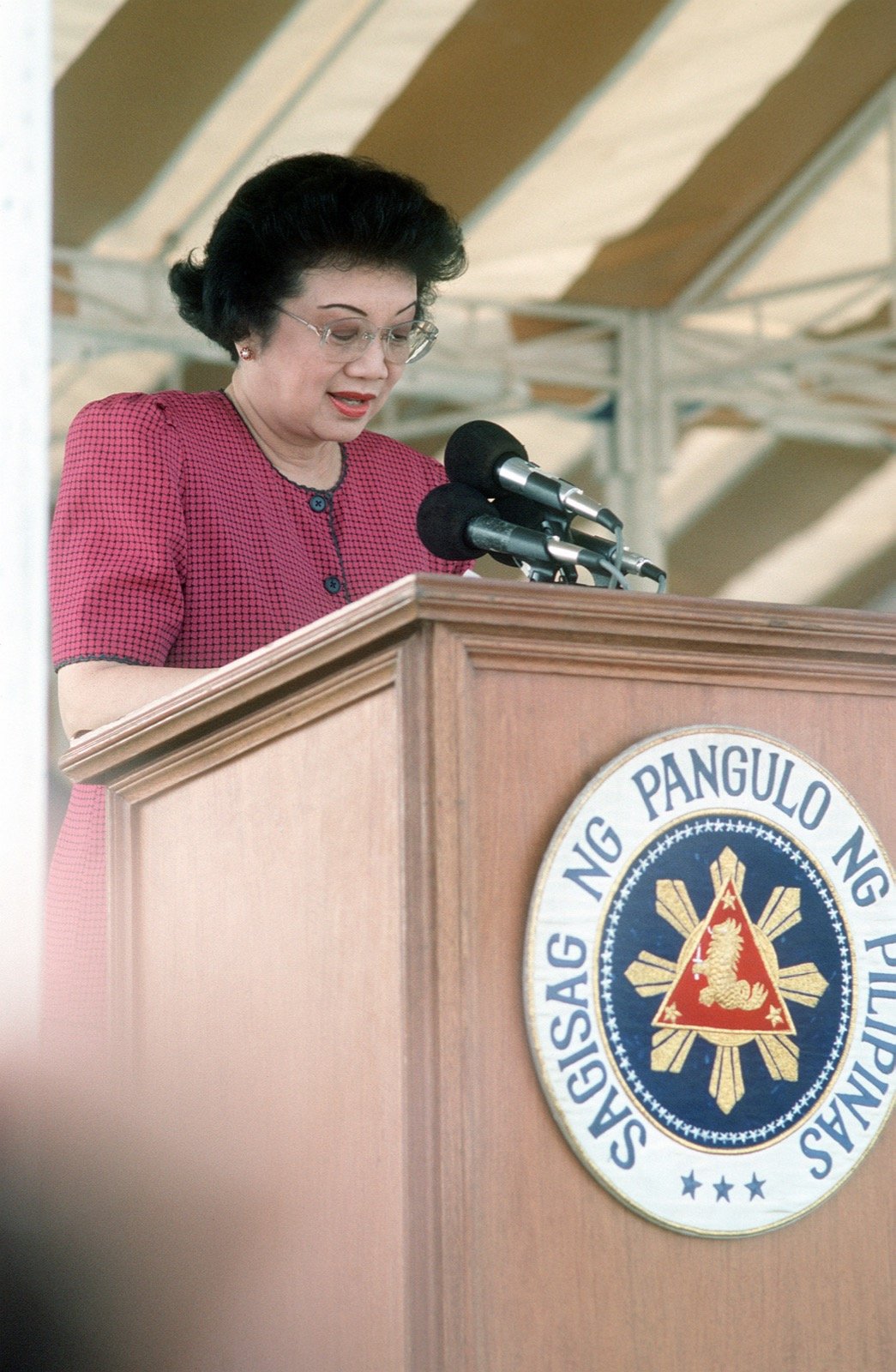
President of the Philippines, 1986–1992The opposition leader who became president after People Power and restored constitutional government following the Marcos dictatorship.Read biography
Opposition leader and vice president of the PhilippinesA lawyer, senator and opposition coalition leader who became vice president after the disputed 1986 election and People Power Revolution.Read biography
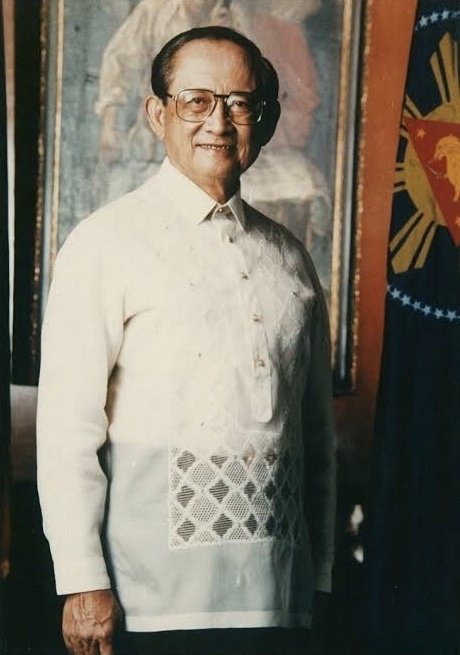
President of the Philippines, 1992–1998The general who withdrew support from Ferdinand Marcos during People Power and later served as defence secretary and the Philippines’ twelfth president.Read biography
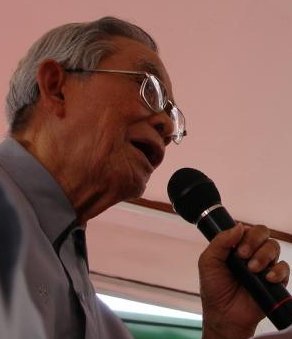
Opposition senator and post-EDSA Senate presidentA Filipino lawyer, opposition leader and statesman who survived wartime imprisonment and the Plaza Miranda bombing before helping rebuild the Senate after EDSA.Read biography
Human-rights lawyer, representative and senatorA human-rights lawyer who challenged martial-law abuses, became Corazon Aquino’s executive secretary and spent two decades in the restored Congress.Read biography
Diplomat, women’s-rights advocate and senatorA diplomat, United Nations official and senator who helped move gender equality from international commitments into Philippine policy and law.Read biography
Labour minister, senator and foreign secretaryA journalist and long-serving labour official who later helped draft the 1987 Constitution, led the Senate and became foreign secretary.Read biography
Physician, health secretary and senatorA rural physician and public-health communicator who became health secretary and a two-term senator after decades of community development work.Read biography
Senator, judge and public administratorA lawyer, judge, cabinet official and senator whose sharp legal arguments and forceful public style made her one of the Philippines’ most recognisable political figures.Read biography
Defence minister and Senate presidentThe lawyer and defence minister whose career stretched from the declaration of martial law to the EDSA breakaway, four Senate terms and the Senate presidency.Read biography
Cardinal and Archbishop of ManilaThe Archbishop of Manila whose religious authority, democratic advocacy and Radio Veritas appeal helped bring civilians onto EDSA in February 1986.Read biography
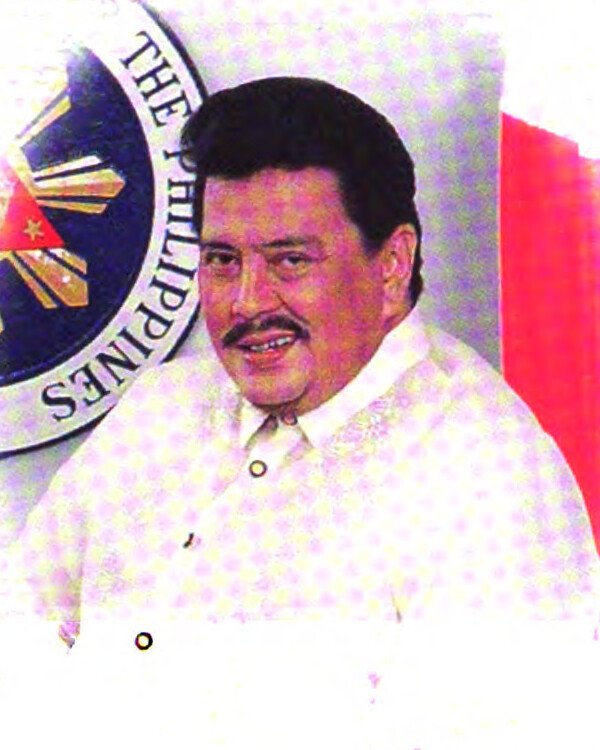
President of the Philippines, 1998–2001The film star and populist politician who became president in 1998, left office amid impeachment and protest, and later returned as mayor of Manila.Read biography
President of the Philippines, 2001–2010The economist, senator and vice president who led the Philippines from 2001 to 2010 and later returned to Congress as a Pampanga representative.Read biography
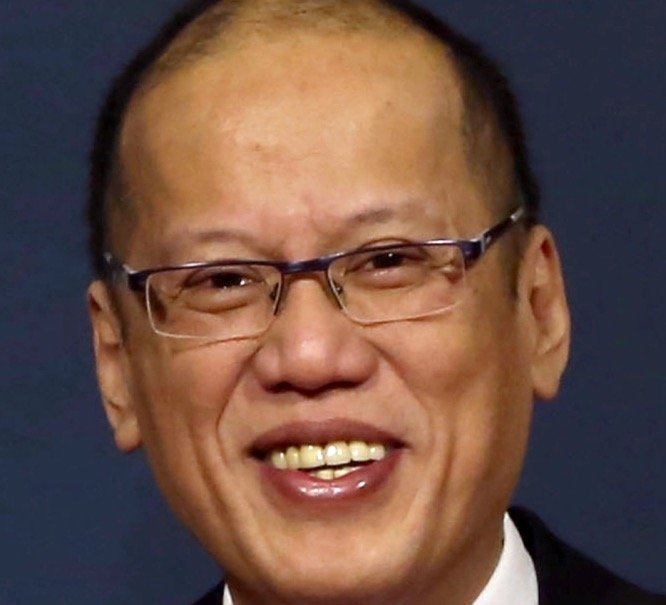
President of the Philippines, 2010–2016A president whose good-governance agenda coincided with rapid growth and whose government initiated the South China Sea arbitration.Read biography
Continue the story
Read the transition as one connected sequence
Move from the disputed 1986 election through constitutional reconstruction, land conflict, military rebellion, treaty power and the 2001 presidential succession.
When did the Philippine democratic transition begin?
The decisive transition began with the February 1986 election crisis and People Power Revolution, followed by a provisional government and the 1987 Constitution.
Was democracy consolidated immediately after 1986?
No. Coup attempts, political violence, agrarian conflict and weak accountability repeatedly tested the restored institutions.
Why does this collection end in 2001?
EDSA II brought the post-1986 order to a second presidential succession crisis and produced a major Supreme Court ruling on resignation and constitutional continuity.
Why include public-health and diplomatic figures?
Democratic transition involves more than elections. It also changes how legislatures, agencies, international commitments and public programmes translate rights into everyday government.
Primary and institutional sources
How the collection was checked
Regional comparisons are checked against official archives, legislation and institutional histories. Individual biographies contain person-level citations.
 Philippines · Politics
 Philippines · Politics
 Philippines · Politics
 Philippines · Politics
 Philippines · Politics
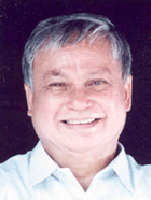 Philippines · Politics
 Philippines · Politics
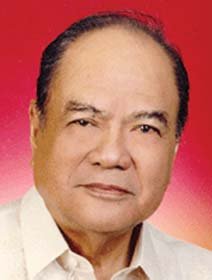 Philippines · Politics
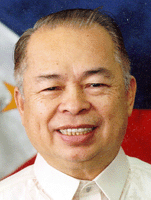 Philippines · Politics
 Philippines · Politics
 Philippines · Politics
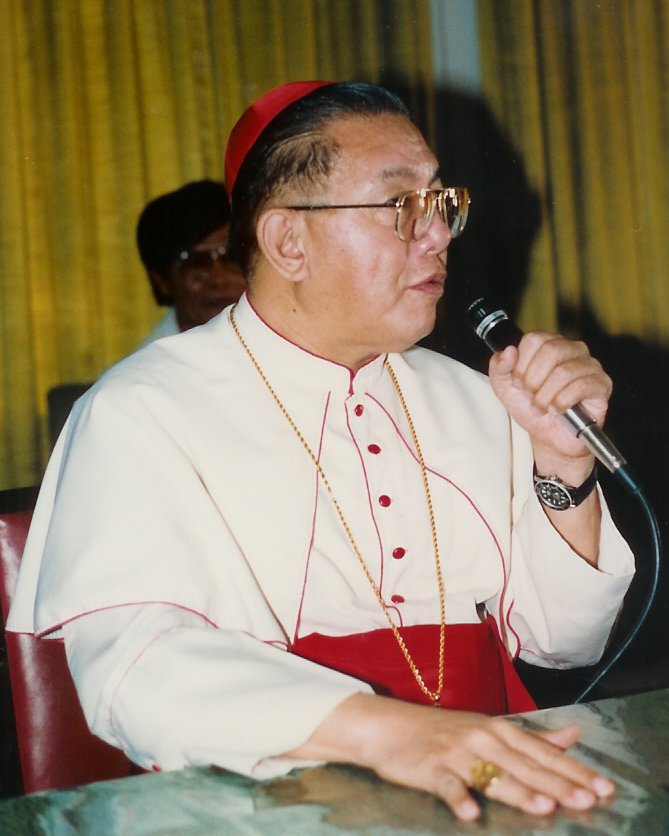 Philippines · Politics
 Philippines · Politics
 Philippines · Politics
 Philippines · Politics