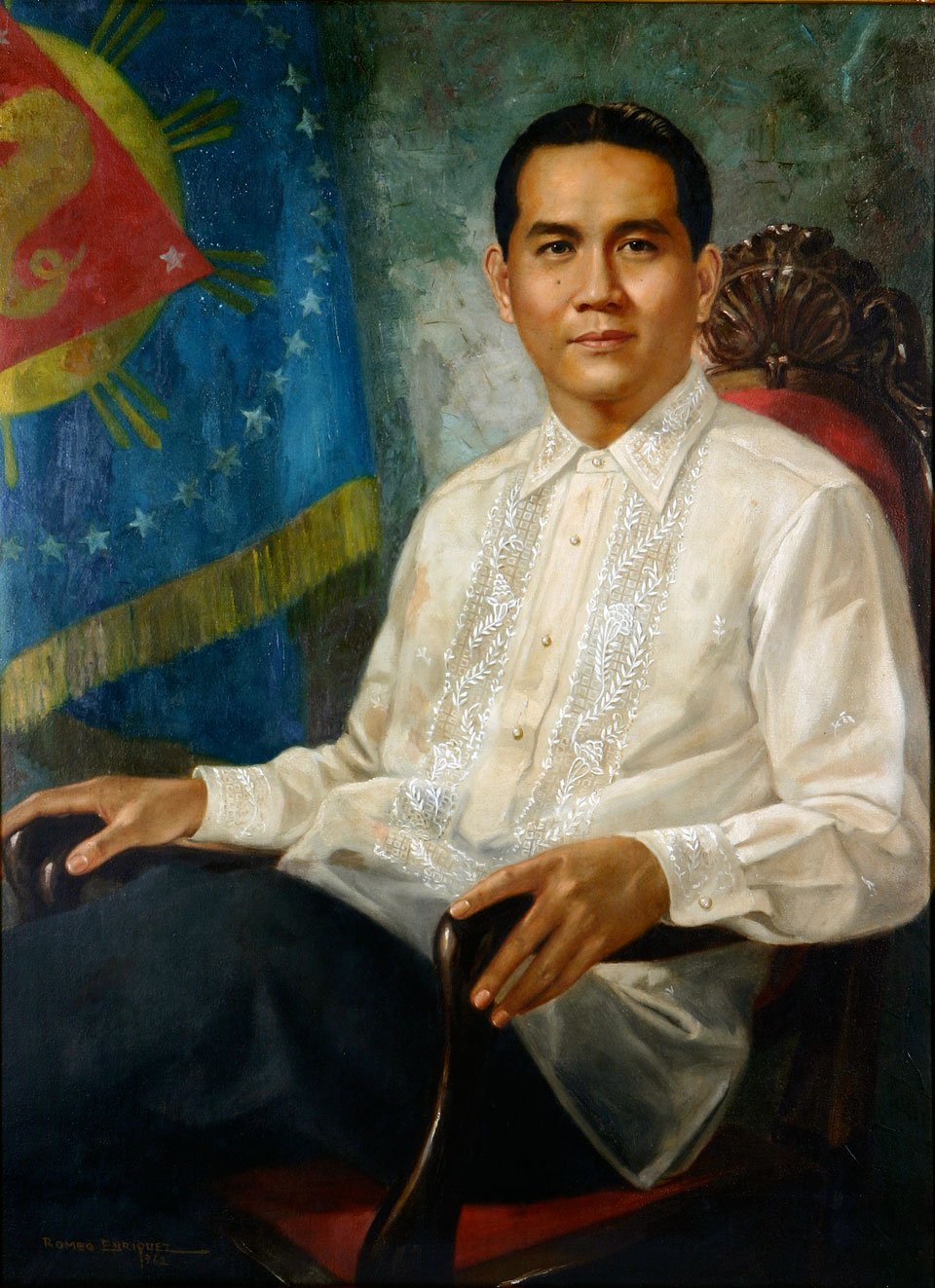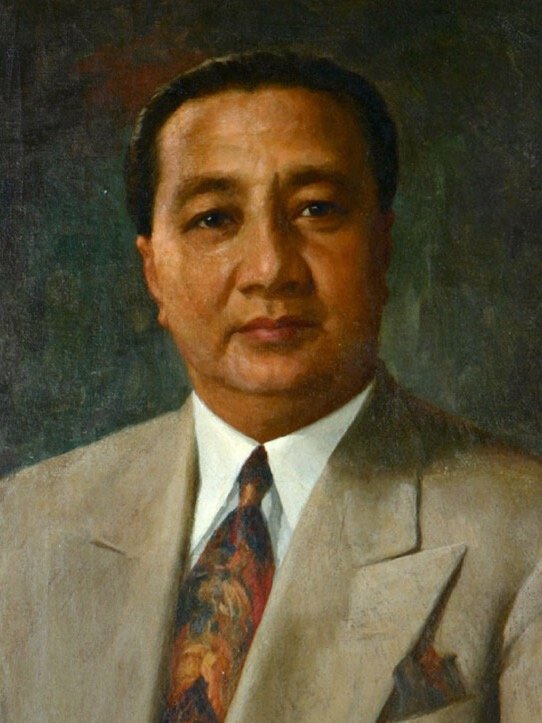

In this biography
Quick facts
- Born
- 4 November 1896
- Died
- 14 June 1971
- Birthplace
- Talibon, Bohol, Philippines
- Country
- Philippines
- Nationality
- Filipino
- Known for
- The Filipino First economic policy and a programme of government austerity
- Office
- President, 1957–1961
- Earlier role
- Vice president and foreign-affairs secretary
- Signature policy
- Filipino First
- Final public role
- President of the 1971 Constitutional Convention
Why this life matters
Garcia’s Filipino First policy made national control of the economy a central political issue and exposed tensions within the U.S.–Philippine alliance.
Timeline
Key moments
Born in Talibon
Born in Bohol on 4 November.
Entered the House
Won election after teaching and qualifying as a lawyer.
Elected to the Senate
His term was interrupted by war, during which he supported resistance in Bohol.
Became vice president
Also served as foreign-affairs secretary under Ramon Magsaysay.
Succeeded Magsaysay
Took office after the president died in a plane crash.
Won a full term
Defeated several rivals in the presidential election.
Lost reelection
Diosdado Macapagal defeated him.
Led the constitutional convention
Was elected convention president shortly before his death.
A Boholano legislator and diplomat
Garcia taught school and wrote poetry before entering law and politics. He served as representative and governor of Bohol, won election to the Senate in 1941 and participated in the island’s resistance network during the Japanese occupation.
As a postwar senator he became minority leader and chaired the foreign-relations committee. Elected vice president in 1953, he simultaneously served as foreign-affairs secretary under Ramon Magsaysay and took part in the regional security diplomacy that produced SEATO.
Filipino First and the limits of economic nationalism
Garcia succeeded to the presidency after Magsaysay’s death and won a full term later in 1957. His Filipino First policy gave Filipino citizens and firms preference in access to foreign exchange and economic opportunities. An austerity programme sought to restrain imports and government spending, drawing both nationalist support and opposition from foreign business interests.
His administration also negotiated an agreement that shortened the formal duration of U.S. base rights. Corruption allegations and economic dissatisfaction helped Diosdado Macapagal defeat him in 1961. A decade later Garcia was elected president of the Constitutional Convention but died only days after assuming that role.
Quick answers
Frequently asked questions about Carlos P. Garcia
- Who was Carlos P. Garcia?
- Carlos P. Garcia was a president of the Philippines, 1957–1961. Garcia’s Filipino First policy made national control of the economy a central political issue and exposed tensions within the U.S.–Philippine alliance.
- What is Carlos P. Garcia best known for?
- Carlos P. Garcia is best known for the Filipino First economic policy and a programme of government austerity.
- When and where was Carlos P. Garcia born?
- Carlos P. Garcia was born on 4 November 1896 in Talibon, Bohol, Philippines.
- When did Carlos P. Garcia die?
- Carlos P. Garcia died on 14 June 1971.
Sources and further reading
How this biography was checked
Core dates and offices are checked against the sources below. This profile was last reviewed on 8 September 2026.