In this biography
Quick facts
- Born
- 27 March 1890
- Died
- 27 February 1958
- Birthplace
- Macrohon, Leyte, Philippines
- Country
- Philippines
- Nationality
- Filipino
- Known for
- Organising the Leyte resistance network that supplied intelligence before the Allied landing of October 1944
- Wartime command
- Leyte Area Command
- United States award
- Distinguished Service Cross
- Cabinet office
- Secretary of National Defense, 1946–1950
- National office
- Senator, 1953–1958
Why this life matters
Kangleon connects local guerrilla organisation to the return at Leyte and shows how wartime authority moved into the institutions of the postwar republic.
Timeline
Key moments
Born in Macrohon
Born in Leyte on 27 March.
Built the Leyte resistance
Organised guerrilla forces and gathered intelligence across Leyte during the Japanese occupation.
Supported the Allied landing
His network supplied intelligence and local support as Allied forces and the Commonwealth government returned to Leyte.
Reported to MacArthur
Joined ceremonies in Tacloban proclaiming the liberation of Leyte and received the Distinguished Service Cross soon afterward.
Became defence secretary
Joined Manuel Roxas’s cabinet as the sixth secretary of national defence.
Elected to the Senate
Entered the Senate and remained in office until his death in 1958.
A resistance command rooted in Leyte
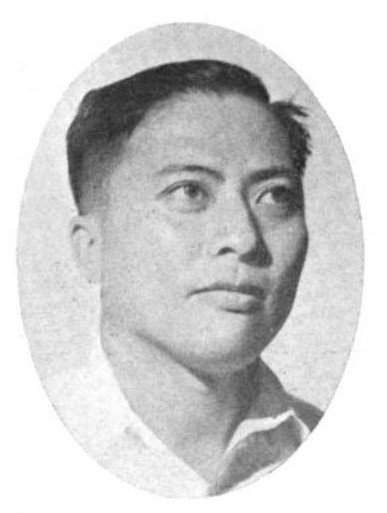
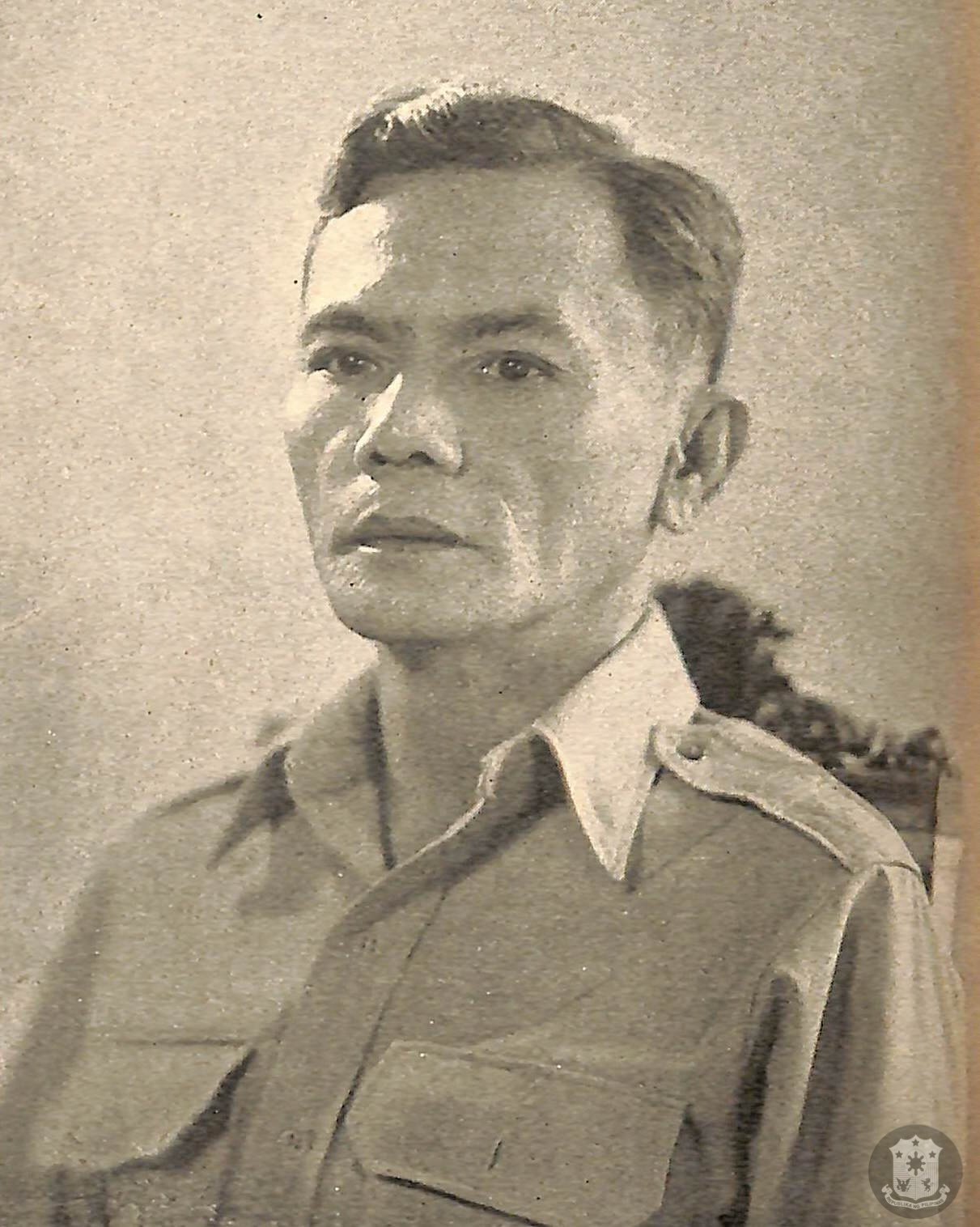
Ruperto Kadava Kangleon was a Philippine Army officer from Macrohon in Leyte. After the 1942 surrender, resistance on the island was divided among local organisations with different leaders, resources and claims to authority. Kangleon emerged as the commander of the Leyte Area Command and worked to connect those forces.
The network gathered Japanese troop information, maintained coastal contacts and prepared to assist a return that guerrillas could not schedule themselves. Its value lay not only in armed encounters but in intelligence, guides, communications and knowledge of roads and terrain.
Intelligence before the Leyte Landing
When Allied forces landed on 20 October 1944, they entered an island where Filipino resistance had already challenged occupation rule. Kangleon’s information helped the returning forces understand Japanese positions and gave the Commonwealth government a local partner.
A U.S. military photograph records Kangleon reporting to Douglas MacArthur in Tacloban on 23 October. MacArthur later presented him the Distinguished Service Cross. These ceremonies were politically important, but the liberation of Leyte continued through hard fighting long after the public return.
From wartime command to national office
Kangleon served as governor of Leyte after liberation and became secretary of national defence in President Manuel Roxas’s cabinet in 1946. He remained in that office until 1950, during the difficult transition from wartime forces to the armed institutions of an independent republic.
Voters elected him to the Senate in 1953. He died in office on 27 February 1958. His career demonstrates both the political capital that resistance service could create and the continuity between provincial wartime networks and postwar state-building.
Quick answers
Frequently asked questions about Ruperto Kangleon
- Who was Ruperto Kangleon?
- Ruperto Kangleon was a leyte guerrilla commander, defence secretary and senator. Kangleon connects local guerrilla organisation to the return at Leyte and shows how wartime authority moved into the institutions of the postwar republic.
- What is Ruperto Kangleon best known for?
- Ruperto Kangleon is best known for organising the Leyte resistance network that supplied intelligence before the Allied landing of October 1944.
- When and where was Ruperto Kangleon born?
- Ruperto Kangleon was born on 27 March 1890 in Macrohon, Leyte, Philippines.
- When did Ruperto Kangleon die?
- Ruperto Kangleon died on 27 February 1958.
Sources and further reading
How this biography was checked
Core dates and offices are checked against the sources below. This profile was last reviewed on 9 September 2026.
- Philippine Information AgencyLGU Macrohon marks Ruperto Kangleon Memorial Day
- Department of Foreign Affairs of the PhilippinesHistorical and Cultural Dictionary of the Philippines
- Naval History and Heritage CommandRuperto Kangleon reporting to General MacArthur
- Wikimedia CommonsPortrait and licence record