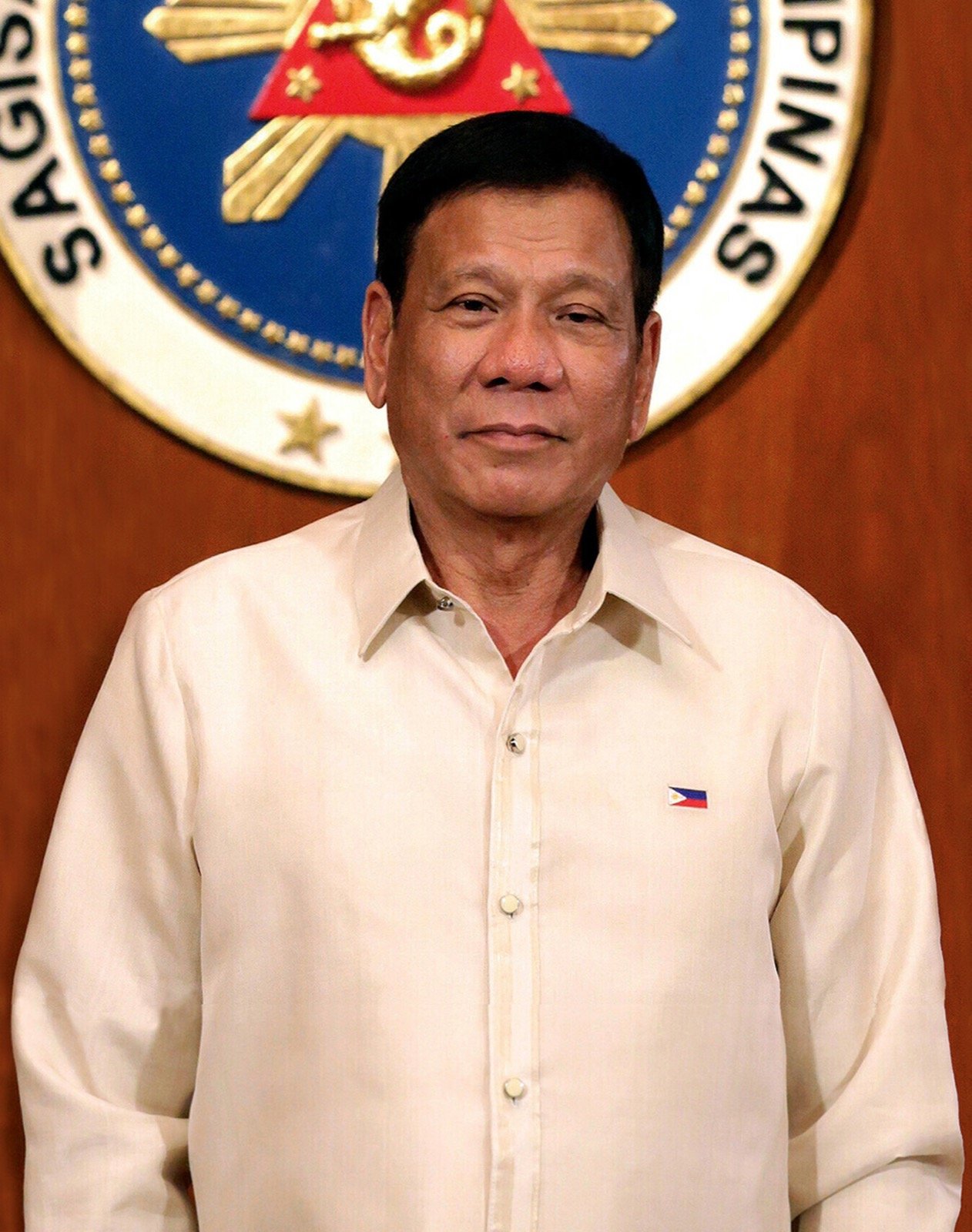
In this biography
Quick facts
- Born
- 10 January 1958
- Birthplace
- Pantukan, Davao, Philippines
- Country
- Philippines
- Nationality
- Filipino
- Known for
- Leading the House during the first half of Rodrigo Duterte’s presidency
- House speaker
- 25 July 2016–23 July 2018
- Cabinet service
- Transportation and communications secretary, 2001–2002
- Constituency
- Davao del Norte’s first district
- Major proposal
- Shift to a federal system
- House service
- 1998–2001 and 2016–2025
Why this life matters
Alvarez made federalism a central House project and his removal on a State of the Nation Address day demonstrated the speed of coalition change inside the chamber.
Timeline
Key moments
Entered the House
Won Davao del Norte’s first district during the election of Joseph Estrada.
Led the transport department
Joined the cabinet of President Gloria Macapagal Arroyo after EDSA II.
Returned to Congress
Regained his district seat as Rodrigo Duterte won the presidency.
Became speaker
Organised the House majority at the opening of the Seventeenth Congress.
Pressed the federalism campaign
Advocated constitutional change as a flagship project of the Duterte coalition.
Lost the chair to Arroyo
An initial takeover preceded Duterte’s address; the formal election was held after it. Alvarez conceded two days later.
Contested the vice-governorship
Lost the Davao del Norte race to Clarice Jubahib as his third consecutive House term ended.
From law and transport policy to Congress
Pantaleon Alvarez’s national career crossed both legislative and executive office. He represented Davao del Norte’s first district in the Eleventh Congress, from 1998 to 2001, then served as transportation and communications secretary under Gloria Macapagal Arroyo in 2001–2002. The transport portfolio was a cabinet appointment, not part of his later speakership.
After a long interval outside the House, Alvarez returned to the same district in 2016. As a close ally of incoming President Rodrigo Duterte, he became speaker on 25 July, at the opening of the Seventeenth Congress. His initial authority came from organising a House majority around the new administration.
Federalism as a central legislative project
Alvarez promoted federalism as a way to distribute authority and economic opportunity beyond Manila. In 2018 he argued that stronger regions could assist poorer ones until regional disparities narrowed. Those were his policy arguments, not measured results of a federal system already operating in the Philippines.
The debate also produced his proposal to forgo the 2019 midterm elections while pursuing charter change. A House press release of 18 July 2018 records him defending the idea against critics. Supporting constitutional revision, however, was not itself a legal power to cancel elections. Article XVII of the 1987 Constitution separates proposing constitutional change from ratification by the electorate.
Majority discipline and the death-penalty bill
The governing coalition did not vote as one on every issue. In 2017, House leaders removed Arroyo and several other representatives from leadership or committee positions after they opposed House Bill No. 4727, which sought to restore the death penalty. The dispute exposed tensions inside an otherwise large administration majority.
When the House elected Arroyo’s replacement as deputy speaker in August 2017, Alvarez administered the oath. Less than a year later, she would replace him in the speaker’s chair. A bill’s passage in the House and removal from an internal leadership post are distinct events; neither should be described as the enactment of a national death-penalty law.
Sources for this section: [4]
A sudden replacement in 2018
The leadership change on 23 July 2018 unfolded in stages. Arroyo first took the rostrum and an oath before Duterte’s State of the Nation Address. After the address, the House reconvened for the formal election, in which she received 184 votes with 12 abstentions. Describing the entire process as completed before the speech misses the later formal session.
On 25 July, Alvarez publicly accepted her succession. The House also entered the 23 July election into its official records through a resolution, amid procedural objections from some members. The episode illustrates the difference between an internal majority choosing its speaker and the president appointing a legislative leader. The Constitution gives the House the election of its own speaker.
District politics after the speakership
Losing the speakership did not remove Alvarez from his district seat. He won reelection in 2019 and continued in the House through the end of his third consecutive term in June 2025. The provincial electoral base and the votes needed to lead the national chamber were different sources of political support.
In the 2025 election he ran for Davao del Norte vice governor under Partido para sa Demokratikong Reporma and lost to Clarice Jubahib. The Inquirer reported him in third place. This was a bid for a different provincial office, not an unsuccessful attempt to retain the speakership. His biography therefore distinguishes the end of his House leadership in 2018 from the later end of his congressional service.
Quick answers
Frequently asked questions about Pantaleon Alvarez
- When was Pantaleon Alvarez speaker of the House?
- He served from 25 July 2016 to 23 July 2018 during the Seventeenth Congress. His service as a district representative continued after he lost the speaker’s chair.
- Why was the 2018 change to Arroyo’s speakership complicated?
- An initial takeover and oath preceded Duterte’s address, but the formal House election occurred afterward. Arroyo received 184 votes, and Alvarez conceded on 25 July. The House subsequently recorded the election amid procedural objections.
- Did Pantaleon Alvarez establish a federal Philippines?
- No. He advocated federalism and constitutional revision. Those proposals must be distinguished from a ratified constitutional change and from evidence of actual outcomes under a new federal system.
- What happened in Pantaleon Alvarez’s 2025 election?
- He contested the Davao del Norte vice-governorship rather than another House term and lost to Clarice Jubahib. His district service ended in June 2025, seven years after his speakership ended.
Keep exploring
Lives connected to this story
- Rodrigo Duterte
Alvarez’s speakership began with the House coalition supporting Duterte’s presidency.
- Gloria Macapagal Arroyo
His former cabinet principal, later deputy-speaker colleague and 2018 successor.
- Alan Peter Cayetano
The next Congress brought another contest over House leadership and coalition support.
- Lord Allan Velasco
Compare the 2018 change with the different term-sharing dispute that culminated in 2020.
Sources and further reading
Explore the evidence
These references support the biography and offer further reading. Official records, first-person accounts and independent reporting provide different perspectives; image records document attribution and licensing.
- 1. Presidential Communications OfficePublished cabinet appointments table — Alvarez’s transport portfolio
- 2. Philippine News Agency, 23 July 2018House opens third regular session
- 3. Philippine News Agency, 6 February 2018Federalism can solve regional disparities: Alvarez
- 4. Philippine News Agency, 9 August 2017House replaces Arroyo as deputy speaker
- 5. Philippine News Agency, 23 July 2018Arroyo replaces Alvarez as House Speaker — initial report
- 6. Philippine News Agency, 25 July 2018Alvarez concedes speakership to Arroyo
The 25 July follow-up explains the formal post-SONA election, 184 votes, abstentions and objections. It supplements early same-day reporting of the pre-SONA takeover and oath.
- 7. Philippine News Agency, 24 July 2018Palace ready to work with Speaker Arroyo
- 8. Philippine News Agency, 15 May 2019Floirendo, del Rosario lose hold on Davao del Norte
- 9. Philippine Daily Inquirer, 15 May 2025Duterte family’s hold on Davao provinces weakens
Dated election reporting from 15 May 2025 supports the vice-governor result and the end of his House term. It is not presented as a check of every subsequent party position or public activity.
- 10. House of Representatives of the PhilippinesRoster of Philippine legislators, 1907–2019
The historical roster confirms the 1998–2001 and 2016–2019 periods. It ends too early to establish his later reelections or the 2025 endpoint; later reporting is cited separately.
- 11. The LawPhil Project1987 Constitution — Article VI on the legislature
- 12. House of Representatives of the PhilippinesSpeaker Alvarez on the federalism proposal
A contemporaneous House account of Alvarez’s position on federalism and the 2019 election proposal. It is evidence of advocacy, not legal authority to cancel elections or a neutral impact study.
- 13. Wikimedia CommonsPortrait and public-domain record