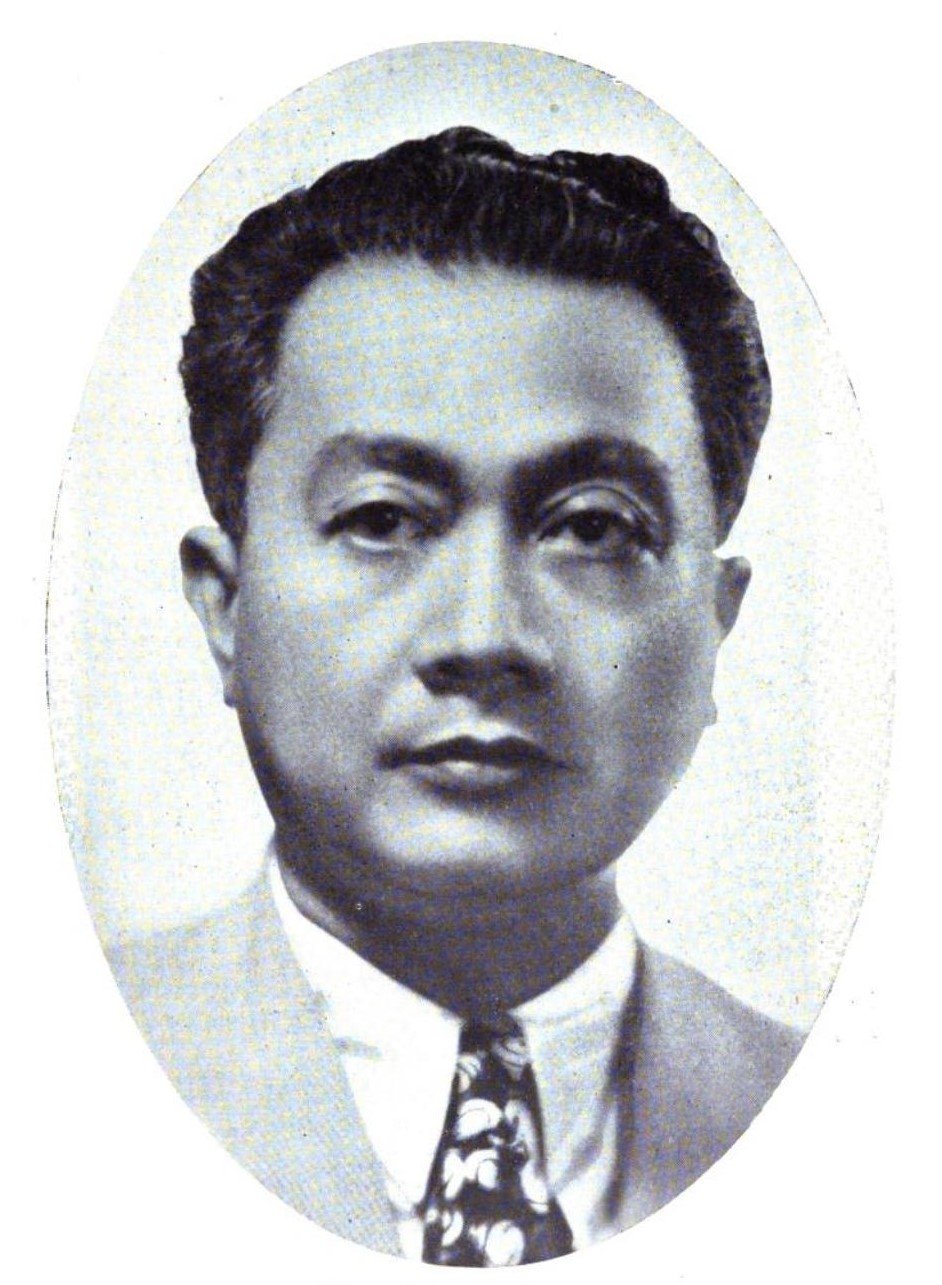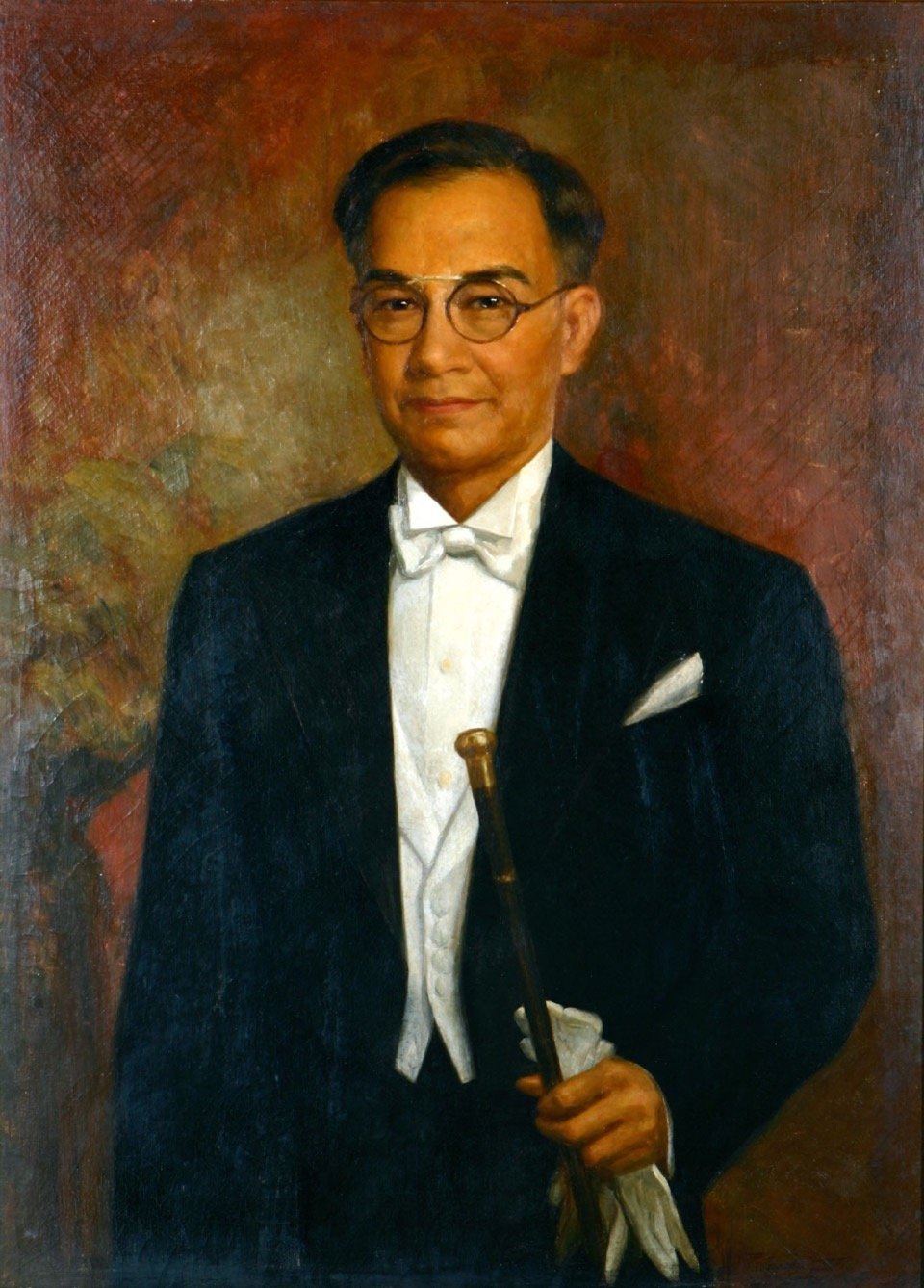

In this biography
Quick facts
- Born
- 27 August 1912
- Died
- 11 March 1998
- Birthplace
- Tanauan, Batangas, Philippines
- Country
- Philippines
- Nationality
- Filipino
- Known for
- Two periods leading the House and helping draft the 1987 Constitution
- House speaker
- 25 January 1954–30 December 1957; 2 February 1967–1 April 1971
- Speaker elections
- Elected three times across two periods
- 1957 campaign
- Nacionalista vice-presidential nominee
- Constitutional role
- Commissioner, 1986
Why this life matters
Laurel linked postwar economic nationalism, changing congressional majorities and the constitutional reconstruction that followed the Marcos dictatorship.
Timeline
Key moments
First elected to the legislature
Won a Batangas seat before war prevented the elected Commonwealth Congress from meeting normally.
Served in the occupation-era assembly
Represented Batangas in the National Assembly of the Japanese-sponsored Second Republic.
First became speaker
Led the House after Ramon Magsaysay and the Nacionalistas won the 1953 election.
Ran for vice-president
Lost to Liberal candidate Diosdado Macapagal while Carlos P. Garcia retained the presidency.
Returned as speaker
Replaced Cornelio Villareal after a new House majority aligned with Ferdinand Marcos.
Joined the Constitutional Commission
Helped draft the charter that restored bicameral Congress and took effect in 1987.
A political inheritance tested by war
Laurel was the son of Jose P. Laurel, president of the Japanese-sponsored Second Republic. He won election to the Commonwealth House in 1941 but then served in the occupation-era National Assembly, part of a family record shaped by the compromised institutions of war.
After independence he returned to the House from Batangas and became a leading Nacionalista. His long legislative career allowed him to participate in both postwar reconstruction and the party realignments of the 1950s and 1960s.
Three elections to the speakership
Laurel first became speaker in January 1954 after the Magsaysay landslide. He was elected again during his later continuous period from February 1967 to April 1971, producing the distinction—recognised by the Senate—of three speaker elections across two stretches in office.
His legislative identity included economic nationalism. The Retail Trade Nationalization Act restricted participation in retail trade, reflecting the “Filipino First” approach that shaped mid-century debates over capital and citizenship.
From opposition elder to constitution-maker
Laurel served in the Regular Batasang Pambansa during the final Marcos years. After People Power, President Corazon Aquino appointed him to the 1986 Constitutional Commission.
The resulting charter restored the elected House and Senate, limited presidential power and created the institutional order in which later speakers operated. Laurel’s final national role therefore connected an older political generation to democratic restoration.
Quick answers
Frequently asked questions about Jose Laurel Jr.
- Who was Jose Laurel Jr.?
- Jose Laurel Jr. was a three-time elected House speaker and constitutional commissioner. Laurel linked postwar economic nationalism, changing congressional majorities and the constitutional reconstruction that followed the Marcos dictatorship.
- What is Jose Laurel Jr. best known for?
- Jose Laurel Jr. is best known for two periods leading the House and helping draft the 1987 Constitution.
- When and where was Jose Laurel Jr. born?
- Jose Laurel Jr. was born on 27 August 1912 in Tanauan, Batangas, Philippines.
- When did Jose Laurel Jr. die?
- Jose Laurel Jr. died on 11 March 1998.
Sources and further reading
How this biography was checked
Core dates and offices are checked against the sources below. This profile was last reviewed on 9 September 2026.