
In this biography
Quick facts
- Born
- 6 January 1812
- Died
- 19 February 1919
- Birthplace
- Banlat, Caloocan, Philippines
- Country
- Philippines
- Nationality
- Filipino
- Known for
- Feeding, sheltering and caring for Katipunan revolutionaries despite the risk of arrest and exile
- Known as
- Tandang Sora
- Honorific
- Mother of the Revolution
- Support provided
- Food, shelter and care for wounded
- Exile
- Guam, 1896–1903
Why this life matters
Aquino’s story shows how shelter, food, medical care and local solidarity sustained an uprising beyond its formal leaders and battlefields.
Timeline
Key moments
Born in Banlat
Born on 6 January in a community later incorporated into Quezon City.
Aided the Katipunan
Provided food, shelter and care to revolutionaries led by Andrés Bonifacio.
Arrested and exiled
Spanish authorities detained her and sent her to Guam for supporting the uprising.
Returned to the Philippines
Came home after seven years in exile under the new American colonial administration.
Died at age 107
Died on 19 February after a life spanning the revolution.
National shrine dedicated
Her remains were transferred to the Tandang Sora National Shrine in Quezon City.
A community elder in a revolutionary network
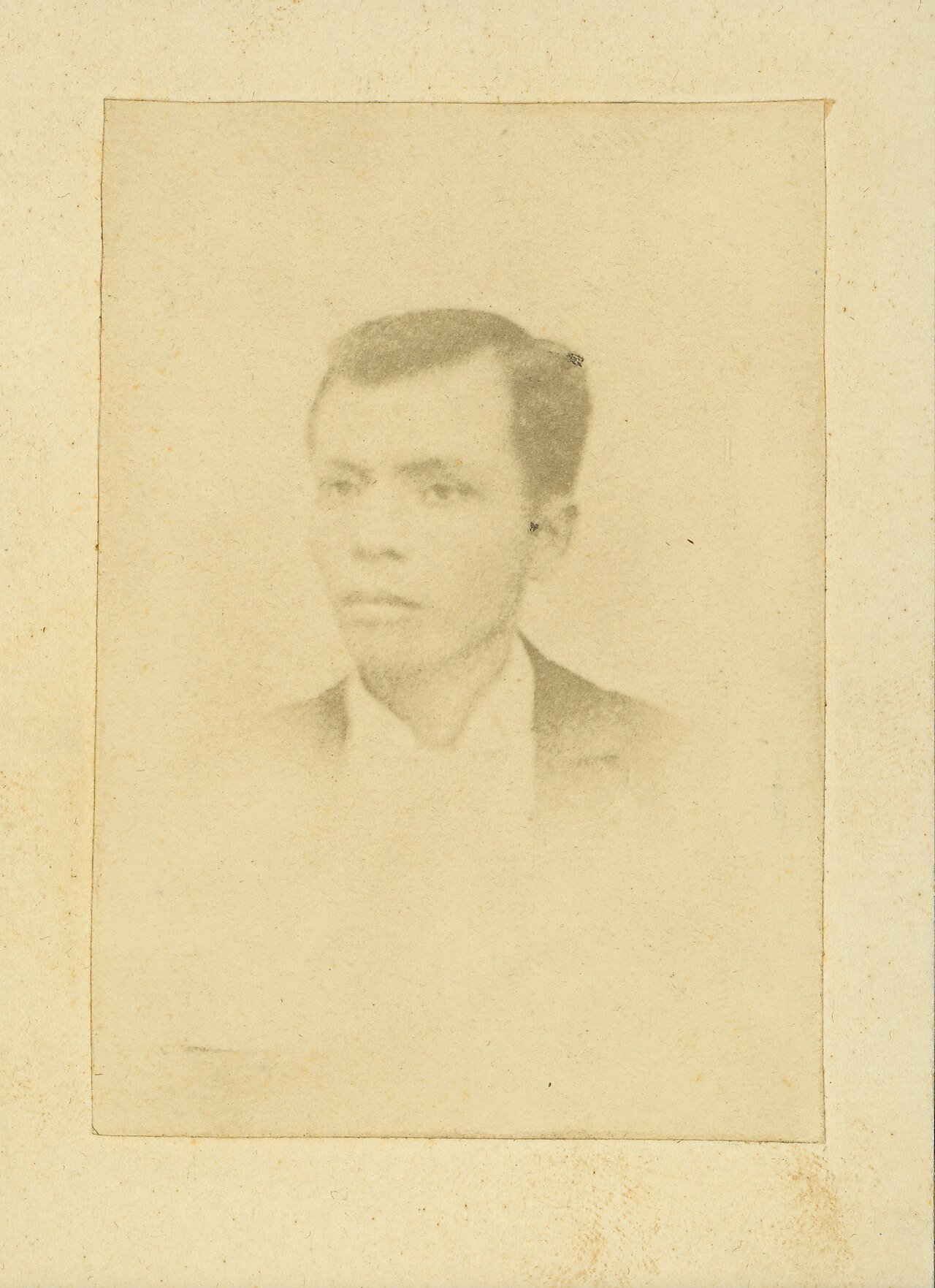
Melchora Aquino was already eighty-four when the Katipunan’s uprising began in 1896. Known as Tandang Sora, she used her home and resources to feed members, provide shelter and care for people wounded in the struggle.
Those acts made the revolution possible at a local level. Armed movements require safe places, supplies and trusted civilians, and Aquino offered each despite the clear danger to herself and her family.
Arrest and exile to Guam
Spanish authorities arrested Aquino and questioned her about Bonifacio and other Katipunan members. She refused to provide the information they sought and was deported to Guam in 1896.
She remained there until 1903, when the American colonial government permitted Filipino exiles to return. Her punishment demonstrates that colonial authorities treated logistical and humanitarian assistance as part of the rebellion.
The Mother of the Revolution
Aquino died in 1919 at 107. Public memory gave her the title Mother of the Revolution, honouring an older woman whose contribution came through care and community support rather than formal office or battlefield command.
Her remains now rest at a national shrine in Quezon City. The site keeps her biography connected to the landscape where the Katipunan prepared for revolt.
Quick answers
Frequently asked questions about Melchora Aquino
- Who was Melchora Aquino?
- Melchora Aquino was a community supporter of the Katipunan. Aquino’s story shows how shelter, food, medical care and local solidarity sustained an uprising beyond its formal leaders and battlefields.
- What is Melchora Aquino best known for?
- Melchora Aquino is best known for feeding, sheltering and caring for Katipunan revolutionaries despite the risk of arrest and exile.
- When and where was Melchora Aquino born?
- Melchora Aquino was born on 6 January 1812 in Banlat, Caloocan, Philippines.
- When did Melchora Aquino die?
- Melchora Aquino died on 19 February 1919.
Sources and further reading
How this biography was checked
Core dates and offices are checked against the sources below. This profile was last reviewed on 9 September 2026.