Explore Biography CompassBrowse biographies by field and collection.
Political collection · Philippines
1935–present · Fourteen recognised officeholders · One disputed claim
Vice Presidents of the Philippines, 1935–Present
Fifteen biographies explain the fourteen people represented in the Office of the Vice President’s historical sequence and Arturo Tolentino’s disputed 1986 claim—without treating two incompatible successions as equally settled.
A national mandate with limited fixed powers
The vice president is elected nationwide and stands first in presidential succession, yet the Constitution assigns few permanent duties beyond those rules. Influence therefore depends on electoral independence, cabinet work, relations with the president and the possibility of succession. The archive includes Arturo Tolentino because some published lists count his brief 1986 proclamation, while later constitutional recognition established Salvador Laurel as the vice president who served through the democratic transition.
01
Six vice presidents later became president
Osmeña, Quirino, Garcia and Arroyo succeeded during vacancies; Macapagal and Estrada won the presidency in later elections.
02
Separate voting creates independent mandates
Voters can elect a president and vice president from rival tickets, making the second office a coalition partner, critic or future challenger.
03
Cabinet authority is delegated, not automatic
Agriculture, foreign affairs, housing, social welfare and education became important vice-presidential portfolios only through presidential appointment.
04
Vacancy rules changed under the 1987 Constitution
Earlier successions left the office empty. The current charter allows a president to nominate a member of Congress for confirmation by both chambers.
05
The 1972–1986 break requires careful labels
The earlier office disappeared under the authoritarian constitutional order, and the disputed 1986 proclamation cannot be merged with the later Aquino–Laurel settlement.
06
Regional careers become national constituencies
Iloilo, Bohol, Misamis Oriental, Makati, Bicol and Davao leaders used a nationwide vote to carry strong local bases into executive politics.
Fifteen biographies · 1878–present
Meet the officeholders—and the disputed claimant—across nine decades of constitutional change
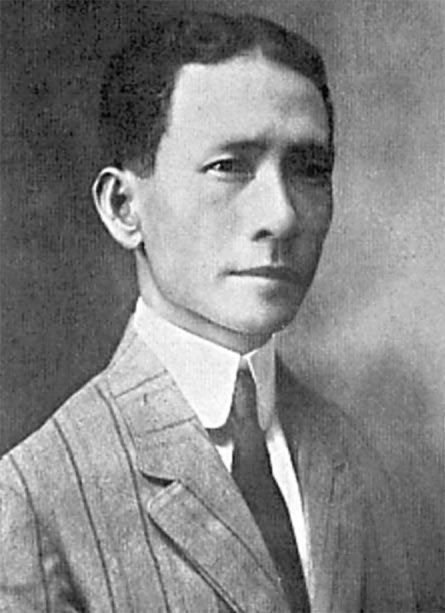
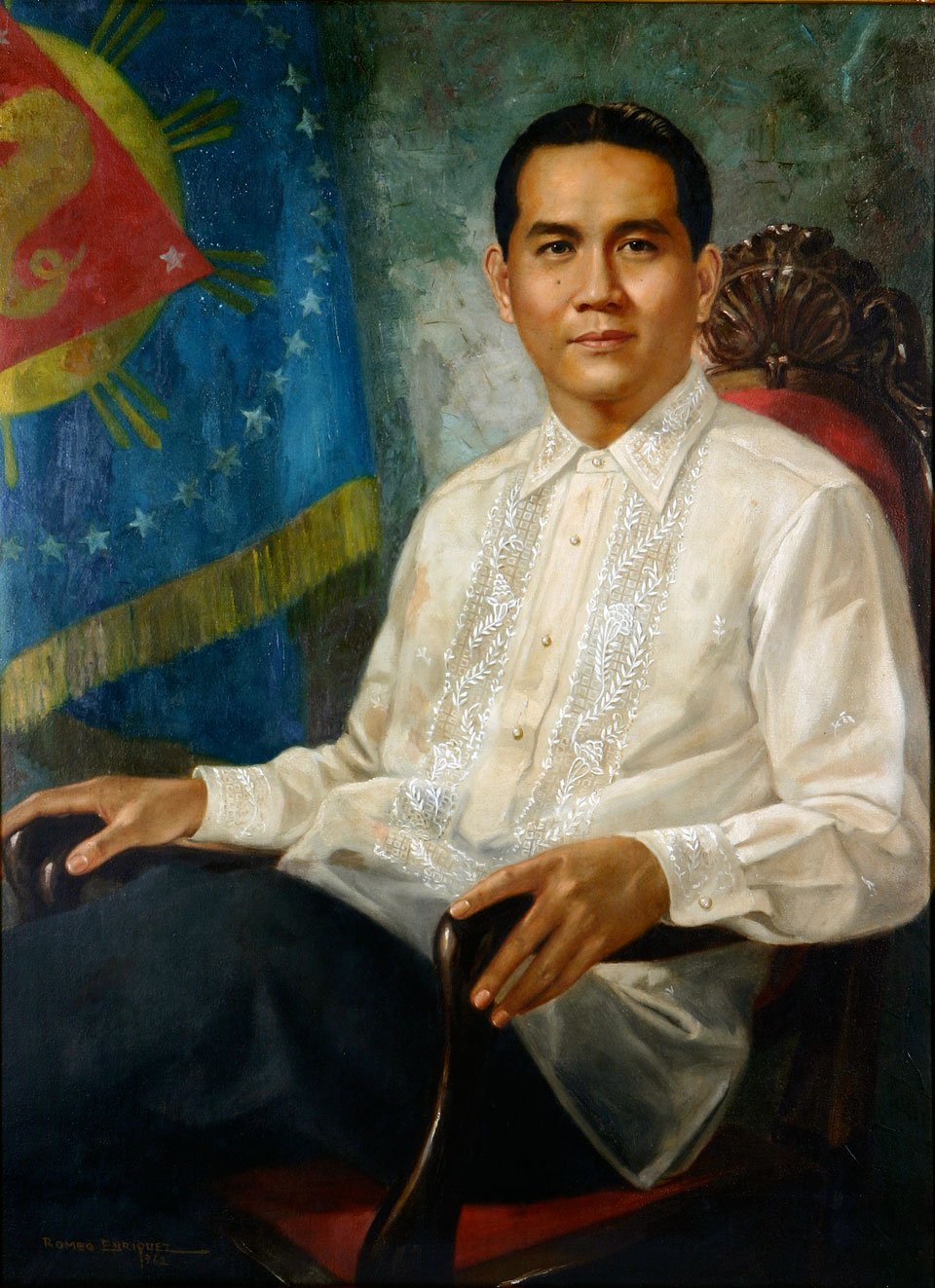
President of the Commonwealth of the PhilippinesA Cebu statesman who succeeded Manuel Quezon in exile and led the Commonwealth government during the liberation of the Philippines.Read biography
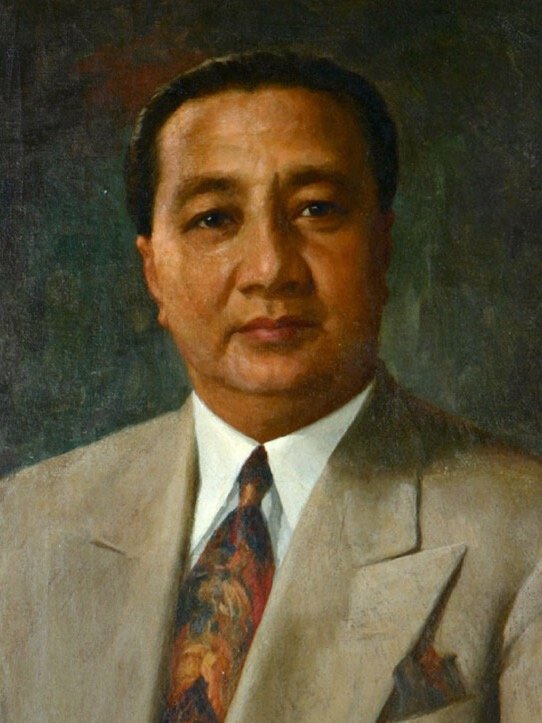
President of the Philippines, 1948–1953A postwar president who rebuilt state institutions, established the central bank and governed through the continuing Huk rebellion.Read biography
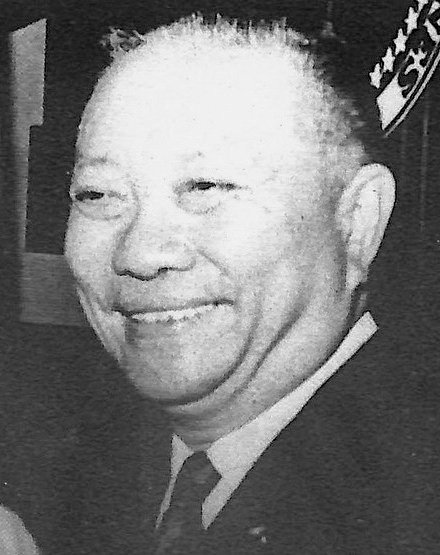
Vice president, senator and business executiveAn Iloilo lawyer, senator and business leader who served two non-consecutive periods as vice president and repeatedly led national agricultural policy.Read biography
President of the Philippines, 1957–1961A Boholano lawyer, poet and president who promoted Filipino ownership, fiscal restraint and a more assertive economic nationalism.Read biography
President of the Philippines, 1961–1965The president who pursued agricultural land reform, dismantled exchange controls and restored 12 June as the national observance of Philippine independence.Read biography
Vice president, senator and diplomatA lawyer and legislator from Misamis Oriental who became vice president, led foreign affairs and later served as ambassador to the United States.Read biography
Law professor, senator and Senate presidentA bar topnotcher, prolific law teacher and legislator whose long career extended from the Third Republic to the disputed 1986 election and a final Senate term.Read biography
Opposition leader and vice president of the PhilippinesA lawyer, senator and opposition coalition leader who became vice president after the disputed 1986 election and People Power Revolution.Read biography
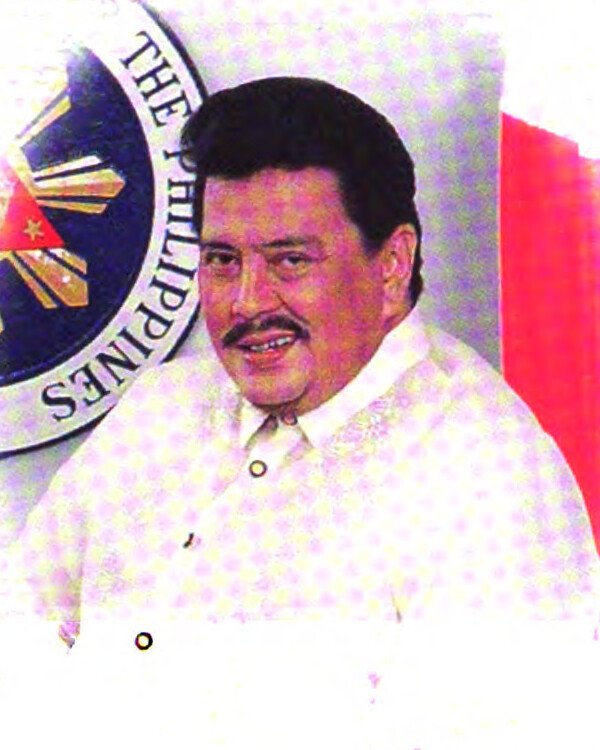
President of the Philippines, 1998–2001The film star and populist politician who became president in 1998, left office amid impeachment and protest, and later returned as mayor of Manila.Read biography
President of the Philippines, 2001–2010The economist, senator and vice president who led the Philippines from 2001 to 2010 and later returned to Congress as a Pampanga representative.Read biography
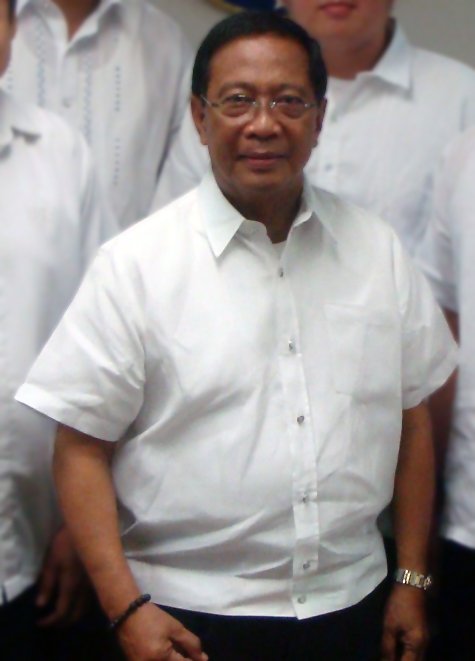
Senator, justice secretary and vice presidentA lawyer and Mindanao public servant who moved from resistance to martial law into Senate oversight, the justice department and the vice presidency.Read biography
Broadcaster, senator and vice presidentA radio and television journalist who topped the 2001 Senate election and served as vice president of the Philippines from 2004 to 2010.Read biography
Human-rights lawyer, Makati mayor and vice presidentA human-rights lawyer under martial law who became Makati’s dominant local executive, vice president from 2010 to 2016 and a presidential candidate.Read biography
Vice president of the Philippines, 2016–2022, and mayor of Naga CityThe lawyer, former vice president and current Naga mayor known for community-based anti-poverty programmes and a volunteer-driven reform movement.Read biography
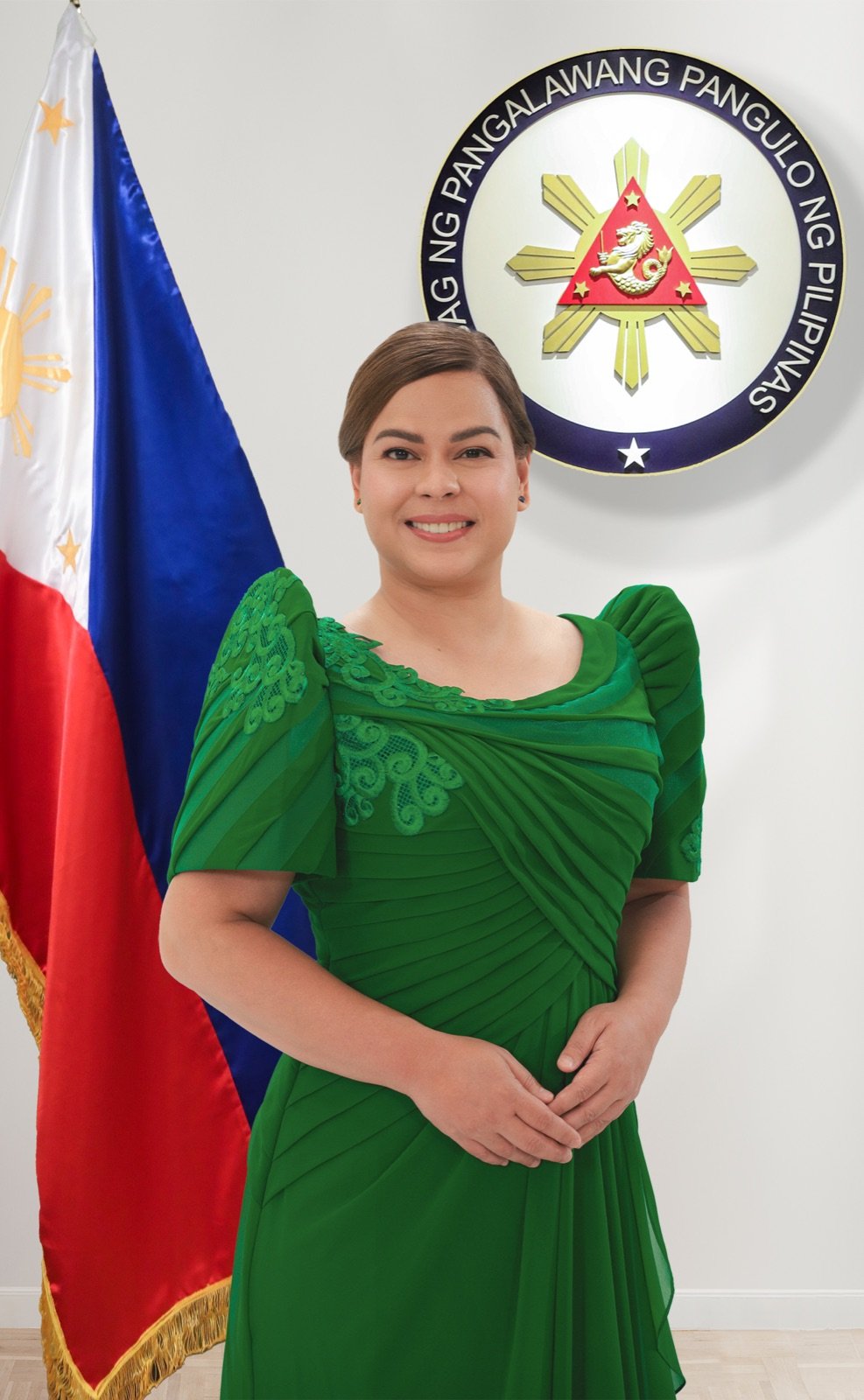
Vice president and former Davao City mayorA lawyer and Davao City politician who became the Philippines’ fifteenth vice president after winning a record national vote in 2022.Read biography
Continue the story
Read the constitutional rules, elections and successions behind the office
Follow the office from its Commonwealth origin through abolition, restoration, split-ticket elections and the current administration.
Who was the first vice president of the Philippines?
Sergio Osmeña became the first vice president when the Commonwealth government began on 15 November 1935.
How many people are in the vice-presidential sequence?
The Office of the Vice President’s historical display represents Sara Duterte and thirteen predecessors. Some published lists also count Arturo Tolentino’s disputed February 1986 claim, so this collection includes all fifteen biographies and labels the disagreement.
Who is the current vice president of the Philippines?
Sara Duterte has served as vice president since 30 June 2022. This answer was last reviewed on 9 September 2026.
Can the president appoint a vice president?
When the office becomes vacant, the 1987 Constitution allows the president to nominate a member of Congress, who takes office after separate majority confirmation by both chambers.
How many vice presidents later became president?
Six: Sergio Osmeña, Elpidio Quirino, Carlos P. Garcia, Diosdado Macapagal, Joseph Estrada and Gloria Macapagal Arroyo.
Primary and institutional sources
How the collection was checked
Regional comparisons are checked against official archives, legislation and institutional histories. Individual biographies contain person-level citations.
 Philippines · Politics
 Philippines · Politics
 Philippines · Politics
 Philippines · Politics
 Philippines · Politics
 Philippines · Politics
 Philippines · Politics
 Philippines · Politics
 Philippines · Politics
 Philippines · Politics
 Philippines · Politics
 Philippines · Politics
 Philippines · Politics
 Philippines · Politics
 Philippines · Politics