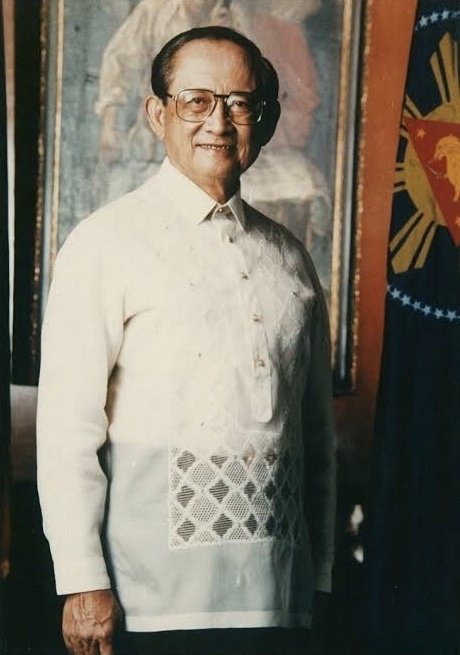
In this biography
Quick facts
- Born
- 3 February 1927
- Died
- 14 December 2003
- Birthplace
- Hagonoy, Bulacan, Philippines
- Country
- Philippines
- Nationality
- Filipino
- Known for
- Shaping labour administration, overseas employment policy and Senate leadership across two political eras
- Profession
- Journalist, labour official and statesman
- Labour portfolio
- 1967–1986
- Senate service
- 1992–2002
- Foreign secretary
- 2002–2003
Why this life matters
Ople’s career crossed authoritarian government and democratic restoration, making him central to debates about labour policy, overseas Filipino employment and continuity between political regimes.
Timeline
Key moments
Joined wartime resistance and journalism
Served in a guerrilla unit during the Japanese occupation and later worked as a newspaper writer and editor.
Took charge of labour policy
Began a nineteen-year tenure in the labour portfolio under President Ferdinand Marcos.
Labour Code was promulgated
The code consolidated employment rules while the state expanded overseas labour deployment institutions.
Joined the Constitutional Commission
Participated in drafting the charter submitted to voters in February 1987.
Entered and then led the Senate
Won election in 1992 and 1998 and served as Senate president from 1999 to 2000.
Served as foreign secretary
Led the Department of Foreign Affairs until his death in December 2003.
Journalism and the labour portfolio
Blas Fajardo Ople grew up in Hagonoy, Bulacan, joined resistance activity during the Japanese occupation and built an early career in journalism. President Ferdinand Marcos appointed him labour undersecretary in 1967 and soon placed him in charge of the department.
Ople remained responsible for labour policy throughout the martial-law era. His tenure included the 1974 Labour Code and the institutional expansion of overseas employment. Those policies created protection and regulation, but also embedded labour migration as a major response to limited work at home.
From the Marcos cabinet to constitutional restoration
Ople’s long service under Marcos made him a figure of institutional continuity after authoritarian rule. Corazon Aquino nevertheless appointed him to the 1986 Constitutional Commission, where labour rights and social justice became part of the post-EDSA charter.
That transition complicates a simple government-versus-opposition biography. Ople brought administrative experience from the old regime into the constitution-making process of the new one, then sought a direct electoral mandate under the rules he helped frame.
Senate leadership and foreign affairs
Ople won Senate elections in 1992 and 1998 and served as Senate president from July 1999 to April 2000. His legislative work continued to emphasise employment, social policy and the conditions of Filipinos working abroad.
He left the Senate to become foreign secretary in 2002. By the time of his death in 2003, overseas Filipino welfare had become both a labour issue and a central responsibility of Philippine diplomacy—a connection his own sequence of offices made especially visible.
Quick answers
Frequently asked questions about Blas Ople
- Who was Blas Ople?
- Blas Ople was a labour minister, senator and foreign secretary. Ople’s career crossed authoritarian government and democratic restoration, making him central to debates about labour policy, overseas Filipino employment and continuity between political regimes.
- What is Blas Ople best known for?
- Blas Ople is best known for shaping labour administration, overseas employment policy and Senate leadership across two political eras.
- When and where was Blas Ople born?
- Blas Ople was born on 3 February 1927 in Hagonoy, Bulacan, Philippines.
- When did Blas Ople die?
- Blas Ople died on 14 December 2003.
Sources and further reading
How this biography was checked
Core dates and offices are checked against the sources below. This profile was last reviewed on 9 September 2026.