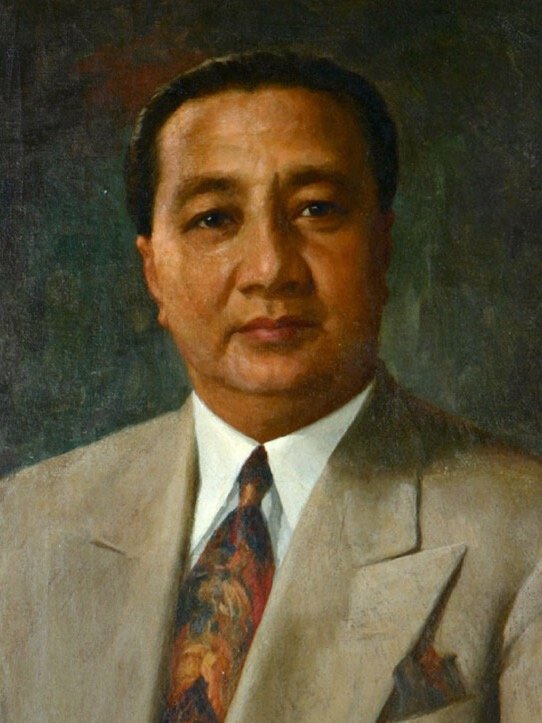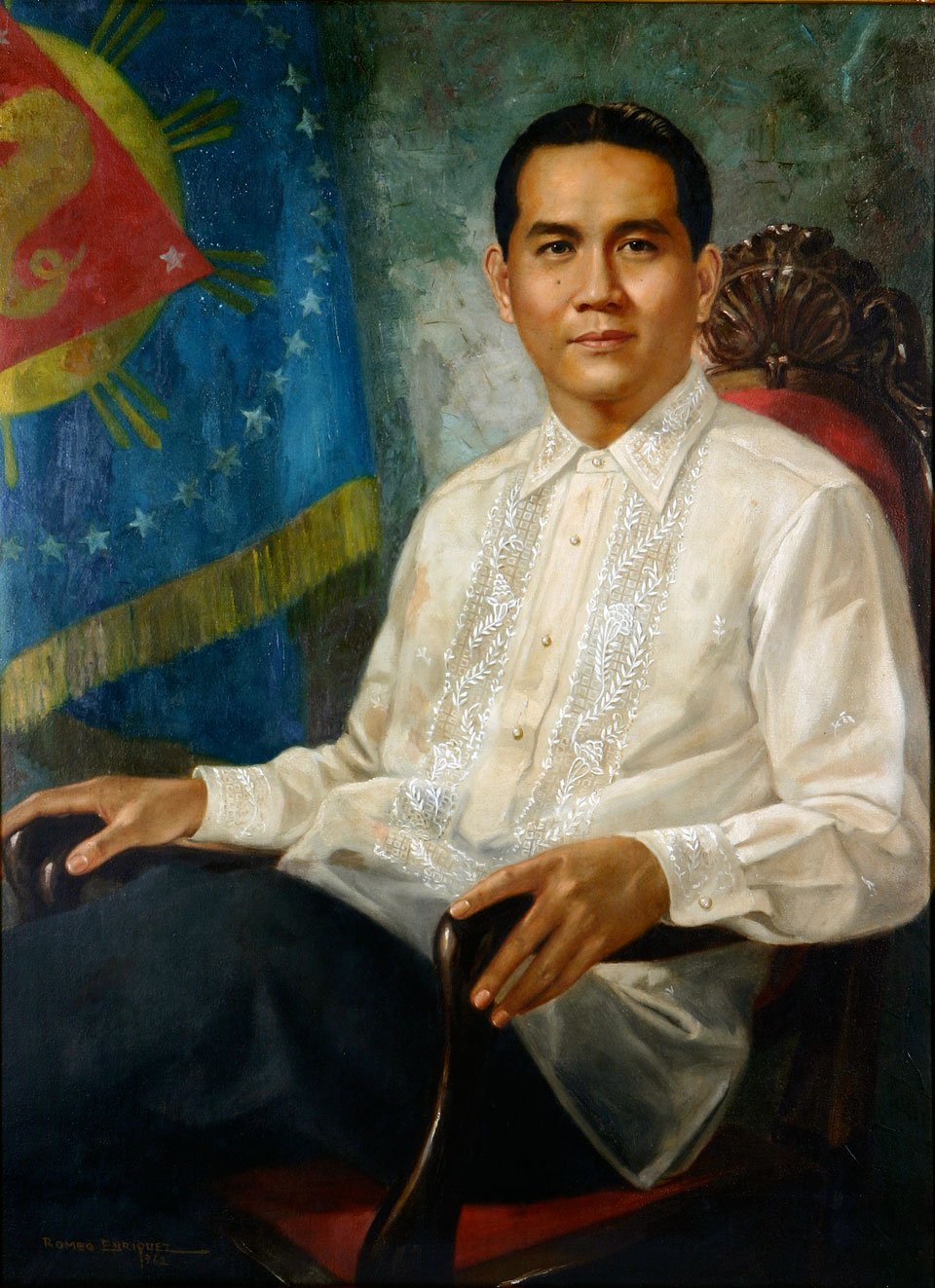

In this biography
Quick facts
- Born
- 31 August 1907
- Died
- 17 March 1957
- Birthplace
- Iba, Zambales, Philippines
- Country
- Philippines
- Nationality
- Filipino
- Known for
- A populist presidency and reforms that weakened the Huk rebellion
- Office
- President, 1953–1957
- Earlier role
- Secretary of National Defense
- Wartime service
- Guerrilla leader in Zambales
- Death
- Plane crash on Mount Manunggal, Cebu
Why this life matters
Magsaysay linked military reform, rural programmes and personal accessibility in a presidency that reshaped public expectations of democratic leadership.
Timeline
Key moments
Born in Iba
Born in Zambales on 31 August.
Joined wartime resistance
Led guerrilla forces in Zambales during the Japanese occupation.
Entered Congress
Won election as representative for Zambales.
Became defence secretary
Reorganised the armed forces and the campaign against the Huk movement.
Won the presidency
Defeated Elpidio Quirino by a large margin.
Expanded rural resettlement
Backed programmes intended to give land and support to former rebels and landless families.
Died in a plane crash
Killed with most of those aboard when the presidential aircraft crashed in Cebu.
From guerrilla command to national office
Magsaysay trained as a mechanic and transport manager before the Second World War. During the Japanese occupation he became a guerrilla commander in Zambales, experience that informed his later insistence on discipline and civilian trust in the armed forces.
After two terms in Congress, President Elpidio Quirino appointed him defence secretary in 1950. Magsaysay removed abusive officers, improved intelligence and paired military operations against the Huks with resettlement and local assistance. U.S. support and adviser Edward Lansdale were important parts of that campaign.
An accessible but unfinished presidency
Running as a Nacionalista, Magsaysay won the 1953 election by a landslide. His public image emphasised direct access to Malacañang, rapid response to complaints and a presidency closer to farmers and workers. Land-tenure, agricultural-credit and resettlement measures addressed rural insecurity, though structural land reform remained limited.
Magsaysay also aligned the Philippines closely with the United States during the Cold War and supported the Southeast Asia Treaty Organization. He died in a plane crash on Mount Manunggal in March 1957, before completing his term. The Ramon Magsaysay Award later extended his name across Asian public life.
Quick answers
Frequently asked questions about Ramon Magsaysay
- Who was Ramon Magsaysay?
- Ramon Magsaysay was a president of the Philippines, 1953–1957. Magsaysay linked military reform, rural programmes and personal accessibility in a presidency that reshaped public expectations of democratic leadership.
- What is Ramon Magsaysay best known for?
- Ramon Magsaysay is best known for a populist presidency and reforms that weakened the Huk rebellion.
- When and where was Ramon Magsaysay born?
- Ramon Magsaysay was born on 31 August 1907 in Iba, Zambales, Philippines.
- When did Ramon Magsaysay die?
- Ramon Magsaysay died on 17 March 1957.
Sources and further reading
How this biography was checked
Core dates and offices are checked against the sources below. This profile was last reviewed on 8 September 2026.