In this biography
Quick facts
- Born
- 16 June 1920
- Died
- 25 May 2017
- Birthplace
- Murcia, Tarlac, Philippines
- Country
- Philippines
- Nationality
- Filipino
- Known for
- Becoming the first woman reelected to the Philippine Senate and sustaining organised opposition during martial law
- Senate service
- 1965–1972 in the Senate’s institutional record
- Electoral distinction
- First woman reelected to the Philippine Senate, in 1971
- Education policy
- Associated with the Special Education Fund and local school boards
- 1971 attack
- Survived the Plaza Miranda bombing on 21 August
- Later office
- Manila representative in the Batasang Pambansa, elected 1984
Why this life matters
Kalaw joined women’s institutional firsts to a long democratic opposition career, carrying legislative work in education and local governance into the struggle to reopen competitive politics.
Timeline
Key moments
Born in Tarlac
Born on 16 June; later studied education at the University of the Philippines.
Elected to the Senate
Entered the chamber after a teaching and civic-service career.
School-funding legislation
Republic Act No. 5447 created a Special Education Fund and local school boards.
Plaza Miranda and reelection
Survived the 21 August bombing and became the first woman reelected senator.
Martial law interrupted the Senate
The closure of Congress ended the ordinary legislative setting of her second term.
Opposition organising and Batasan election
Worked with Salvador Laurel in UNIDO and won a Manila seat in 1984.
Death and Senate tribute
Died on 25 May; Senate necrological rites followed on 1 June.
Teaching and civic organisations before elected office
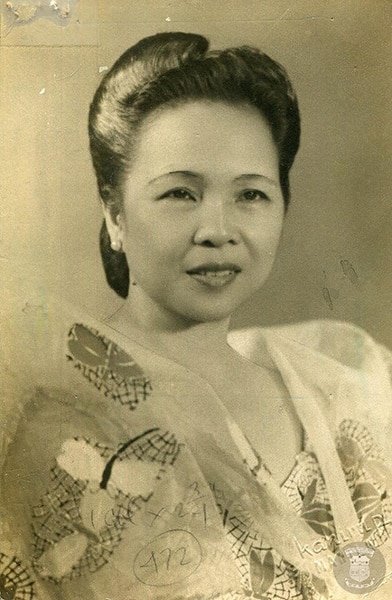
Eva Estrada Kalaw was born in Murcia, Tarlac, on 16 June 1920. She studied education at the University of the Philippines and pursued further study in social work. Her teaching included Far Eastern University, the National Teachers College and Centro Escolar, giving her direct professional experience before education became a central part of her legislative record.
The Senate’s profile also records her involvement in organisations concerned with women, youth, welfare and community work, including Samahang Filipina. This background matters because her later public identity was not confined to being a woman in a predominantly male chamber. She brought experience in schools and voluntary organisations to questions about resources, participation and the responsibilities of government.
School funding and the importance of checking the actual law
Elected senator in 1965, Kalaw became associated with education and social-welfare legislation. A concrete example is Republic Act No. 5447 of 1968. It created a Special Education Fund and local school boards, connecting additional revenue with school budgets rather than merely expressing support for education in principle.
The law described eligible spending, including classrooms, teaching materials and teacher-related costs, and assigned budget and disbursement responsibilities to provincial, city and municipal boards. The Senate’s later tribute credits Kalaw’s contribution, but legislation remained collective. Some commemorative lists also mention Republic Act No. 6728, enacted in 1989; that later law must not be presented as something enacted during her 1965–1972 Senate service.
Plaza Miranda and the first woman reelected senator
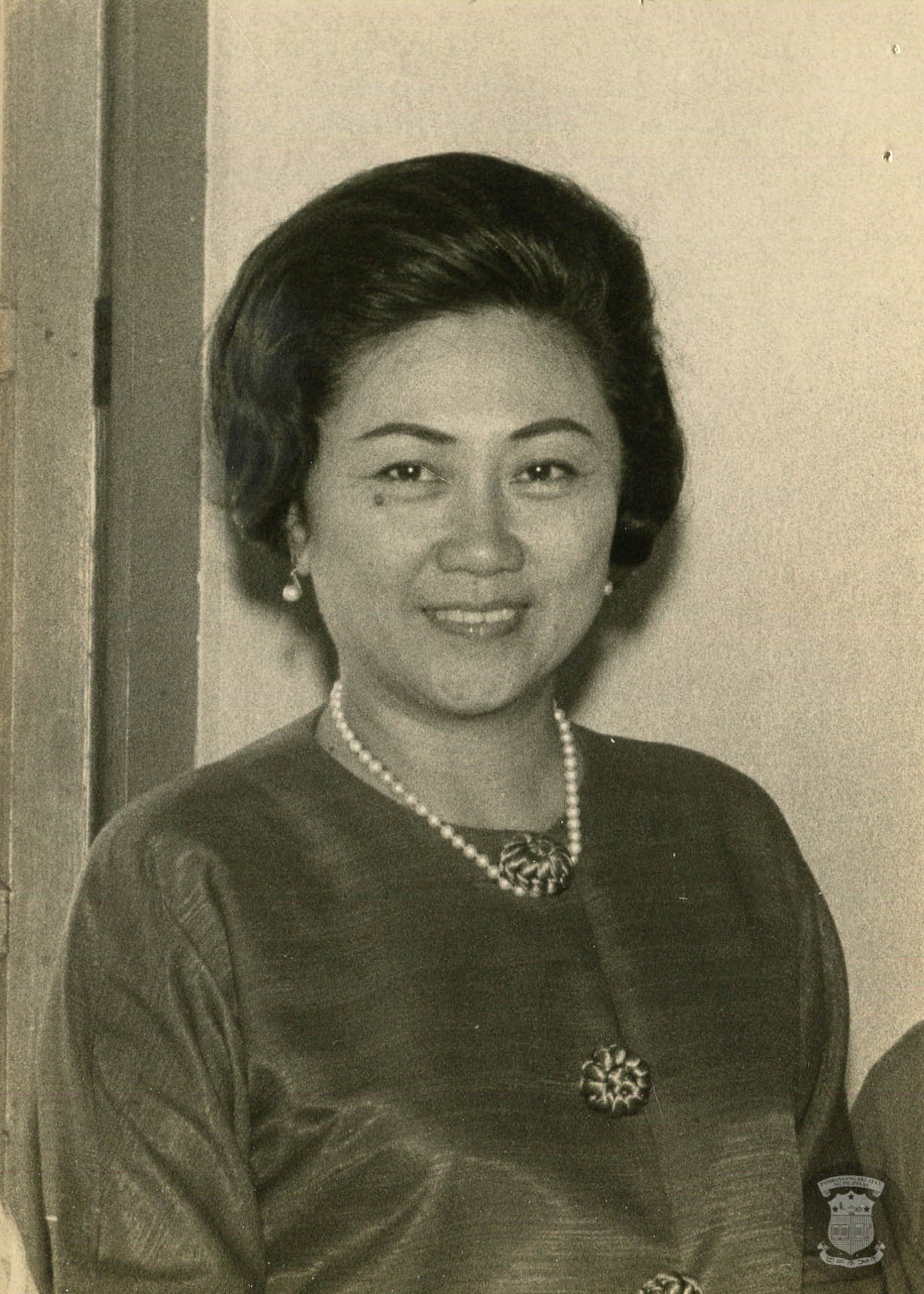
Kalaw first won as a Nacionalista candidate, in the election that also brought Ferdinand Marcos to the presidency. Their party connection did not guarantee a lasting political alliance. By 1971 she was running with the opposition Liberal slate. On 21 August, grenades exploded at the proclamation rally in Plaza Miranda, seriously injuring her and other candidates.
She survived and won reelection that November, becoming the first woman reelected to the Philippine Senate. This is a specific electoral distinction: she was not the first woman ever elected senator, a place held by Geronima Pecson. Her experience of the bombing belongs to the broader crisis before martial law, but this biography does not assign criminal responsibility for the attack without a separate evidentiary basis.
Opposition after the closure of Congress
Martial law and the closure of Congress in 1972 interrupted the institutional setting of Kalaw’s second term. Her opposition continued through political organising rather than normal Senate sessions. The university-hosted retrospective records her work keeping opposition networks active and her association with Salvador Laurel in developing the United Nationalist Democratic Organization, or UNIDO, in 1980.
She won a Manila seat in the Batasang Pambansa in 1984. That was a different legislature operating under a different constitutional order, not a resumption of the old Senate term. Her career therefore helps connect pre-martial-law parliamentary opposition with the electoral and organisational work through which opponents later challenged Marcos within a highly unequal political system.
A public career beyond a single alliance
Opposition to Marcos did not remove disagreements among opposition leaders. Accounts of Kalaw’s relations with Laurel, Jovito Salonga and Corazon Aquino can be sharply partisan, especially when describing the choices preceding the 1986 election. The UP-hosted retrospective is a republished opinion column; its factual chronology is useful, but its judgments about other leaders are not a neutral institutional verdict.
Kalaw died on 25 May 2017. At the Senate’s 1 June rites, former colleagues recalled her education work, civic advocacy and independence. Those tributes show how an institution remembered a former member. Her longer contribution is clearer when the specific school-funding arrangements, the 1971 electoral milestone and the work of maintaining opposition organisations are considered alongside that commemoration.
Quick answers
Frequently asked questions about Eva Estrada Kalaw
- Was Eva Estrada Kalaw the first woman senator?
- No. Geronima Pecson preceded her. Kalaw became the first woman reelected to the Philippine Senate in 1971.
- What did Republic Act No. 5447 establish?
- The 1968 law established a Special Education Fund and local school boards with specified budgeting responsibilities. The Senate credits Kalaw with helping advance the measure.
- Did the 1989 education-assistance law pass during her Senate term?
- No. Republic Act No. 6728 dates from 1989, after her 1965–1972 Senate service. Its appearance in commemorative lists should not collapse the two periods.
- Did her 1984 election return her to the Senate?
- No. She won a Manila seat in the Batasang Pambansa, a different legislature. Congress had been closed after martial law in 1972.
Keep exploring
Lives connected to this story
- Geronima T. Pecson
Distinguish the first woman senator from the first woman reelected to the chamber.
- Salvador H. Laurel
Follow her UNIDO ally and the later choices made by opposition leaders.
- Jovito Salonga
Read about another Plaza Miranda survivor and Liberal opposition leader.
Sources and further reading
Explore the evidence
These references support the biography and offer further reading. Official records, first-person accounts and independent reporting provide different perspectives; image records document attribution and licensing.
- 1. University of the PhilippinesEva Estrada Kalaw, 1920–2017
UP republishes a Manila Standard opinion column by Victor Avecilla. Its strongly partisan descriptions of opposition rivals are not adopted as fact or treated as an independent UP finding.
- 2. Senate of the PhilippinesEva Estrada Kalaw former senator profile
- 3. Senate of the PhilippinesSenate tribute to Eva Estrada Kalaw
- 4. Wikimedia CommonsPortrait and licence record
- 5. Senate of the Philippines1 June 2017: necrological rites, reelection distinction and education advocacy
The institutional tribute supports the reelection distinction and death date. Its list of laws mixes periods and contains numbering issues; specific statutory claims are checked against the law texts.
- 6. Lawphil / Arellano Law FoundationRepublic Act No. 5447: Special Education Fund and local school boards, 1968
The historical act establishes funding and board responsibilities. This profile does not present all of its original provisions as a current legal guide.
- 7. Lawphil / Arellano Law FoundationRepublic Act No. 6728: government assistance in private education, 1989
The 1989 enactment falls outside Kalaw’s Senate years and is not credited as a law passed while she held that seat.