Collection · Philippines after 1986

Constitution · Elections · Reform · Populism · Dynasties

Post-EDSA
Philippine politics.

Forty-three biographies tracing how democratic restoration gave way to new struggles over legislative coalitions, public policy, succession, popular mandates, institutional checks and political memory.

Democracy as a continuing argument

EDSA ended a dictatorship, not political conflict. Reading these lives together shows how constitutional rules interacted with military pressure, celebrity, economic management, regional power, civic networks and family restoration.

  1. 01

    Restoring constitutional government

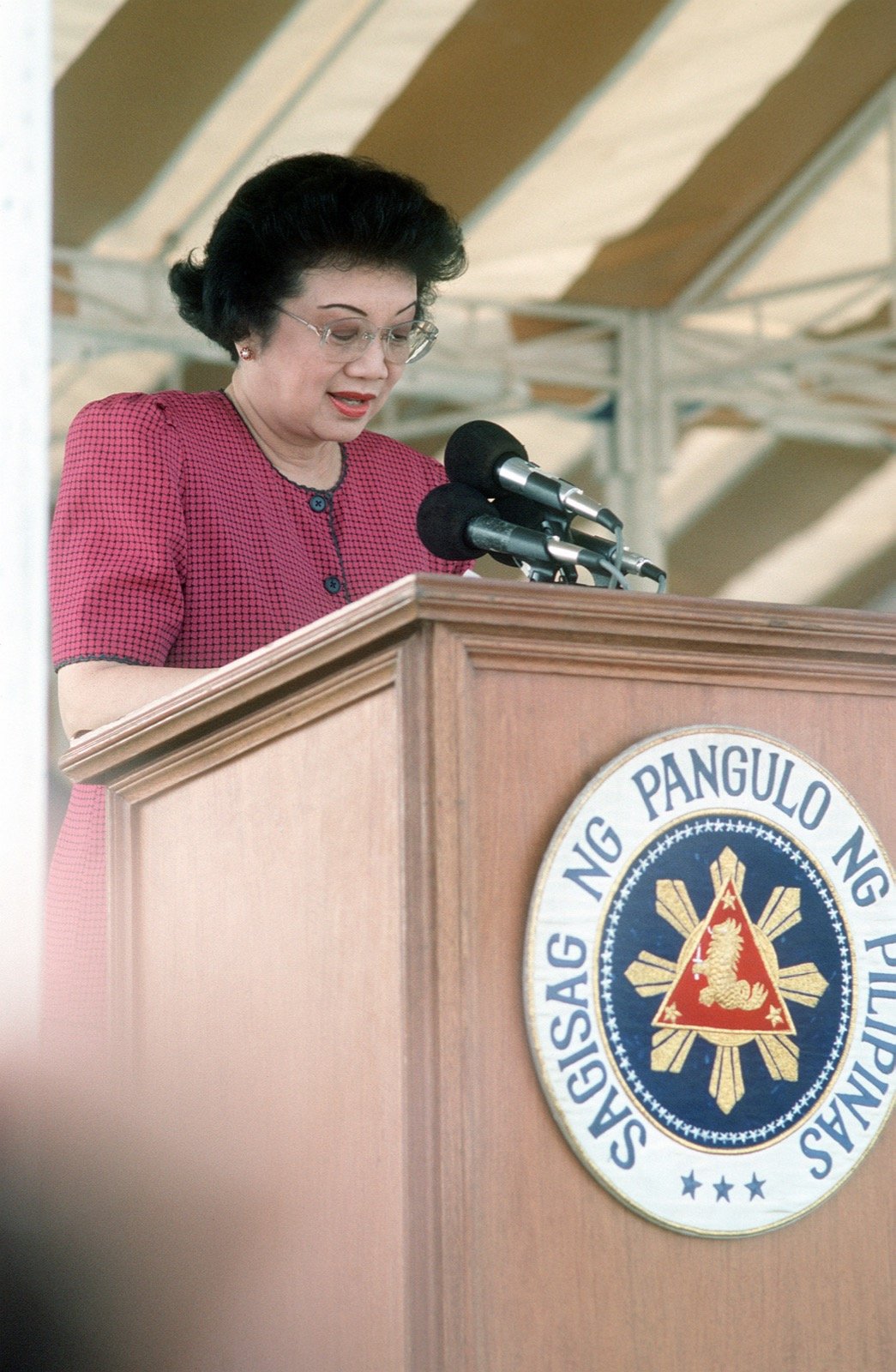
    Corazon Aquino and Fidel V. Ramos connect the fall of dictatorship to a new constitution, renewed elections, military challenges and coalition government.

  2. 02

    A restored legislature and policy state

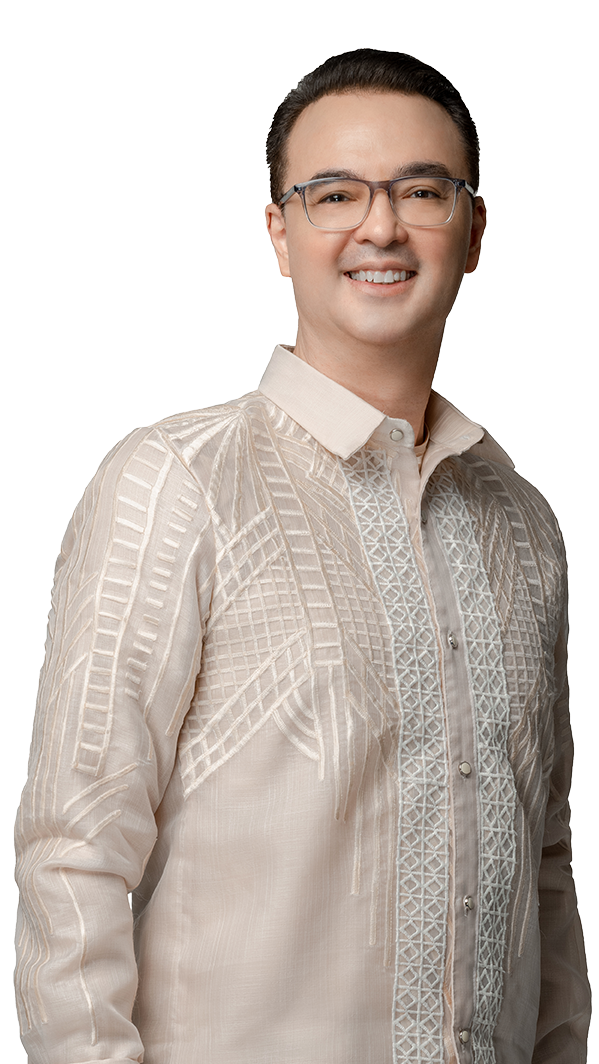
    Miriam Santiago, Joker Arroyo, Leticia Shahani, Blas Ople, Juan Flavier, Raul Roco, the two Pimentels, Wigberto Tañada, Teofisto Guingona Jr., Edgardo Angara, Franklin Drilon, Neptali Gonzales, Ernesto Maceda, Marcelo Fernan, Jose de Venecia, Loren Legarda, Chiz Escudero, Tito Sotto, Migz Zubiri, Alan Peter Cayetano, Win Gatchalian and Renato Corona show institutions turning coalition, oversight, education, rights and accountability into democratic practice.

  3. 03

    Populism, reform and contested succession

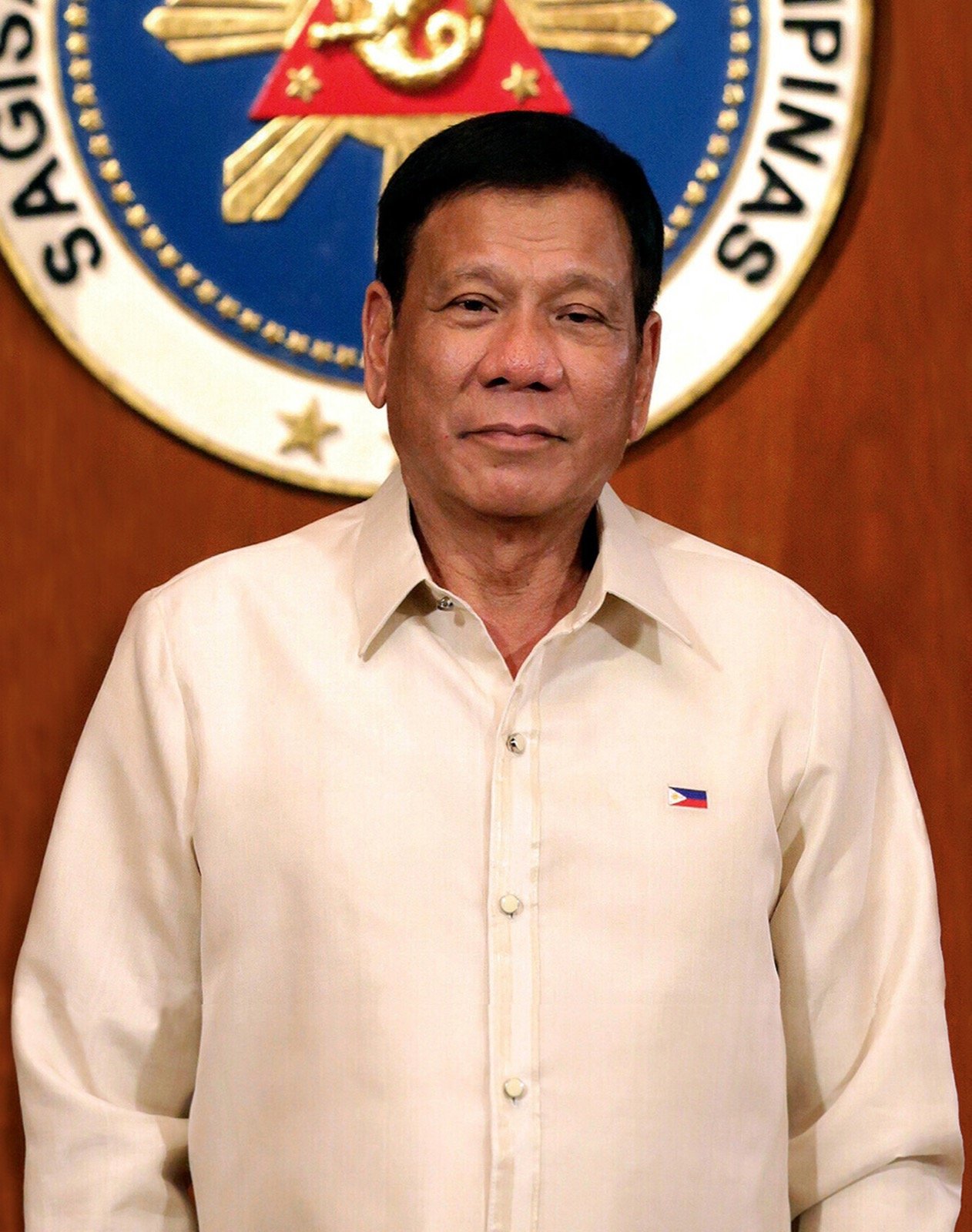
    Estrada, Arroyo, Fernando Poe Jr., Binay, Mar Roxas, Grace Poe, Aquino III, Duterte, Robredo, Marcos Jr., Sara Duterte, Pangilinan, Moreno and Lacson show a fragmented party system reorganising around celebrity, impeachment, reform claims, family networks and digital campaigns.

43 sourced biographies

Key figures after People Power

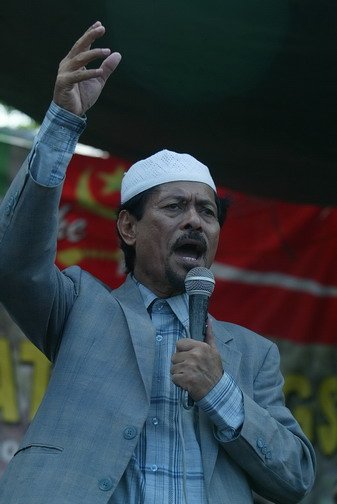
Nur Misuari photographed in 2009Philippines · Politics

1939—

Nur Misuari

MNLF founding chair and former ARMM governorA professor turned revolutionary leader whose negotiations with successive governments made the MNLF central to the long search for autonomy and peace in the southern Philippines.Read biography
Portrait of Filipino actor Fernando Poe Jr.Philippines · Culture

1939—2004

Fernando Poe Jr.

Actor, director, producer and presidential candidateA film actor, director and producer whose working-class screen heroes made him a national cultural figure before he entered presidential politics in 2004.Read biography
Official Senate portrait of Joker ArroyoPhilippines · Politics

1927—2015

Joker Arroyo

Human-rights lawyer, representative and senatorA human-rights lawyer who challenged martial-law abuses, became Corazon Aquino’s executive secretary and spent two decades in the restored Congress.Read biography
Official Senate portrait of Blas OplePhilippines · Politics

1927—2003

Blas Ople

Labour minister, senator and foreign secretaryA journalist and long-serving labour official who later helped draft the 1987 Constitution, led the Senate and became foreign secretary.Read biography
Official Senate portrait of Raul RocoPhilippines · Politics

1941—2005

Raul Roco

Lawyer, legislator and education secretaryA lawyer and legislator whose Senate work expanded legal protections for women and whose presidential campaigns offered a reformist alternative to established political blocs.Read biography
Official Senate portrait of Edgardo AngaraPhilippines · Politics

1934—2018

Edgardo Angara

Educator, legislator and Senate presidentA university president and four-term senator whose legislative agenda created or strengthened national systems for education, skills, health insurance and culture.Read biography
Official portrait of Philippine senator Neptali GonzalesPhilippines · Politics

1923—2001

Neptali Gonzales

Law professor, justice secretary and three-time Senate presidentA law professor and justice secretary who served two Senate terms and led the chamber three times during the democratic transition of the 1990s.Read biography
Official congressional portrait of Jose de Venecia Jr.Philippines · Politics

1936—2026

Jose de Venecia Jr.

Five-term House speaker and presidential candidateA journalist, diplomat and legislator who served five terms as Speaker of the House, built broad governing coalitions and finished second in the 1998 presidential election.Read biography
Loren Legarda photographed at the Philippine Military Academy in 2009Philippines · Politics

1960—

Loren Legarda

Journalist, legislator and climate-policy advocateAn award-winning broadcaster who became a four-term senator, two-time vice-presidential candidate and leading legislative advocate for climate resilience and culture.Read biography
Official portrait of Chief Justice Renato CoronaPhilippines · Politics

1948—2016

Renato Corona

Twenty-third Chief Justice of the PhilippinesA presidential legal official and Supreme Court justice whose 2012 impeachment became a defining test of asset disclosure, judicial independence and legislative accountability.Read biography
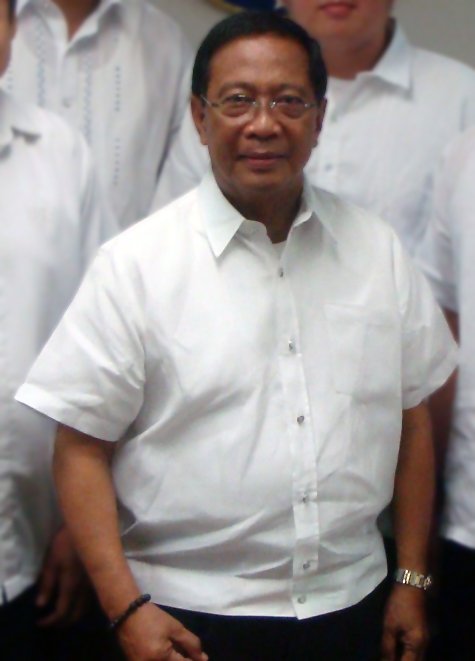
Jejomar Binay at a meeting with municipal mayors in 2010Philippines · Politics

1942—

Jejomar Binay

Human-rights lawyer, Makati mayor and vice presidentA human-rights lawyer under martial law who became Makati’s dominant local executive, vice president from 2010 to 2016 and a presidential candidate.Read biography
Official Senate portrait of Mar RoxasPhilippines · Politics

1957—

Mar Roxas

Legislator, cabinet secretary and presidential candidateAn economist and politician who served in the House, Senate and three cabinet departments before running for vice president in 2010 and president in 2016.Read biography
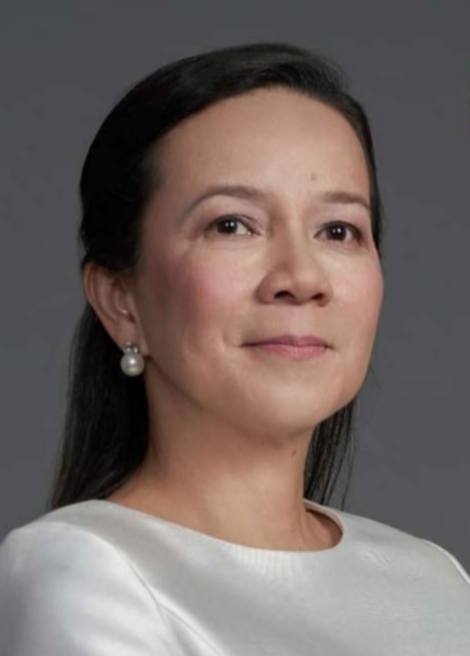
Official Senate portrait of Grace PoePhilippines · Politics

1968—

Grace Poe

Senator, media regulator and presidential candidateA former media regulator and two-term senator whose 2016 presidential campaign turned her personal history as a foundling into a constitutional test of citizenship and belonging.Read biography
Portrait of Filipino senator Chiz EscuderoPhilippines · Politics

1969—

Chiz Escudero

Lawyer, senator, former Senate president and Sorsogon governorA lawyer and Sorsogon politician who served in the House, Senate and provincial government before leading the Senate from May 2024 to September 2025.Read biography
Official 2025 portrait of Philippine senator Vicente Tito Sotto IIIPhilippines · Politics

1948—

Tito Sotto

Legislator, broadcaster, musician and two-time Senate presidentA musician, broadcaster, Quezon City vice mayor and long-serving senator who became the first person since 1998 to return for a second non-consecutive Senate presidency.Read biography
Official 2022 portrait of Philippine senator Juan Miguel Migz ZubiriPhilippines · Politics

1969—

Migz Zubiri

Legislator, former Senate president and majority leaderA Bukidnon legislator who served in both chambers, led the Senate from 2022 to 2024 and repeatedly managed its agenda as majority leader.Read biography
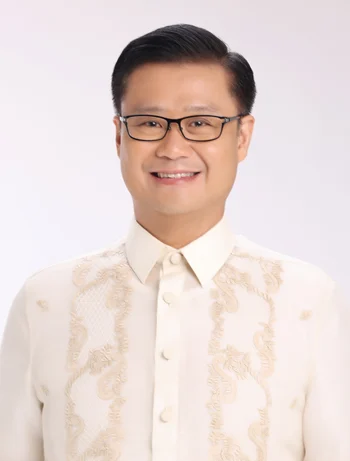
Official 2025 Senate portrait of Sherwin Win GatchalianPhilippines · Politics

1974—

Win Gatchalian

Senate president, legislator and former Valenzuela mayorA businessman and former Valenzuela mayor who entered the Senate in 2016 and became its president after resolving a disputed leadership transition in 2026.Read biography
Official portrait of Vice President Leni Robredo in 2022Philippines · Politics

1965—

Leni Robredo

Vice president of the Philippines, 2016–2022, and mayor of Naga CityThe lawyer, former vice president and current Naga mayor known for community-based anti-poverty programmes and a volunteer-driven reform movement.Read biography

Quick answers

Post-EDSA politics FAQs

What does post-EDSA mean in Philippine politics?
It refers to the political order after the February 1986 People Power uprising on EDSA ended Ferdinand Marcos’s rule and installed Corazon Aquino as president.
Did the 1987 Constitution end political instability?
It restored democratic institutions and limits on executive power, but later governments still faced coup attempts, impeachment crises, corruption allegations, insurgencies and strong political dynasties.
Why include candidates, judges and a peace negotiator?
Democratic politics is shaped by more than presidents. Elections, judicial accountability, regional autonomy and opposition leadership reveal how institutions work between transfers of executive power.