
In this biography
Quick facts
- Born
- 24 October 1927
- Died
- 11 July 1999
- Birthplace
- Cebu City, Philippines
- Country
- Philippines
- Nationality
- Filipino
- Known for
- Becoming the only Filipino to lead both the Supreme Court and the Senate
- Chief justice
- 1988–1991
- Senate service
- 1995–1999
- Senate president
- July 1998–28 June 1999
- Institutional first
- Only person to lead the judiciary and Senate
Why this life matters
Fernan’s unique leadership of two coequal branches connected judicial reform, court administration and legislative institution-building.
Timeline
Key moments
Completed law degrees in Manila and Harvard
Graduated near the top of his University of the Philippines law class and earned a master of laws in the United States.
Served in constitution-making and the Batasan
Joined the 1971 Constitutional Convention and later represented Cebu in the regular Batasang Pambansa.
Joined the Supreme Court
President Corazon Aquino appointed him associate justice during the reconstruction of constitutional government.
Served as chief justice
Led judicial administration and reforms including continuing education and trial-management programmes.
Moved from the judiciary to the Senate
Won a national mandate and sponsored laws on court administration, speedy trial, schools and social insurance.
Led the Senate
Became Senate president in July 1998 and resigned on 28 June 1999 because of declining health.
A Cebu legal career reaches the Supreme Court
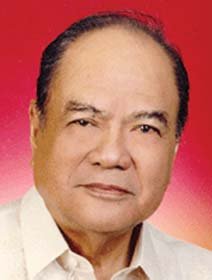
Marcelo Briones Fernan studied law at the University of the Philippines and Harvard, then built a practice and academic career in Cebu. His public work included the 1971 Constitutional Convention, the Batasang Pambansa and professional organisations concerned with law and human rights.
President Corazon Aquino appointed Fernan to the Supreme Court in 1986 and elevated him to chief justice in 1988. His tenure emphasised judicial education, ethical standards and faster case management as the courts adapted to the restored constitutional order.
Legislating judicial and social institutions
Fernan won a Senate seat in 1995. He chaired the justice and human-rights committee and helped enact measures regionalising the Court of Appeals, creating the Philippine Judicial Academy, setting speedy-trial rules and establishing family courts.
His legislative programme extended beyond the courts to school partnerships, social security and labour protection. It carried administrative knowledge from the judiciary into the detailed design of statutes.
The only chief justice to become Senate president
At the opening of the Eleventh Congress in July 1998, Fernan became Senate president and chair of the Commission on Appointments. The chamber considered the Clean Air Act, Visiting Forces Agreement and 1999 national budget during his leadership.
Ill health led Fernan to resign the presidency on 28 June 1999. He died less than two weeks later, remaining the only Filipino to have led both the Supreme Court and the Senate.
Quick answers
Frequently asked questions about Marcelo Fernan
- Who was Marcelo Fernan?
- Marcelo Fernan was a chief justice, senator and Senate president. Fernan’s unique leadership of two coequal branches connected judicial reform, court administration and legislative institution-building.
- What is Marcelo Fernan best known for?
- Marcelo Fernan is best known for becoming the only Filipino to lead both the Supreme Court and the Senate.
- When and where was Marcelo Fernan born?
- Marcelo Fernan was born on 24 October 1927 in Cebu City, Philippines.
- When did Marcelo Fernan die?
- Marcelo Fernan died on 11 July 1999.
Sources and further reading
How this biography was checked
Core dates and offices are checked against the sources below. This profile was last reviewed on 9 September 2026.
- Senate of the PhilippinesBiography of Senate President Marcelo Fernan
- The LawPhil ProjectRepublic Act No. 8493 — Speedy Trial Act of 1998
- The LawPhil ProjectRepublic Act No. 8557 — Philippine Judicial Academy Act
- Senate of the PhilippinesHistory of the Philippine Senate
- Wikimedia CommonsPortrait and licence record