Explore Biography CompassBrowse biographies by field and collection.
Historical collection · Philippines
Independence · Recovery · Rebellion · Diplomacy
Postwar Philippine Nation-Builders
Twelve biographies connect the first presidents of independence to the legislators, critics, diplomats and armed actors who contested what sovereignty should mean after war.
Twelve lives building—and disputing—the Third Republic
The republic born in 1946 inherited destroyed cities, rural inequality and close economic and military ties with the United States. Roxas and Quirino managed reconstruction; Magsaysay, Garcia and Macapagal promised different forms of reform; Romulo and Pelaez represented the state abroad; Recto and Tañada pressed for greater sovereignty; Pecson opened a national office to women; while Taruc and Santos stood on opposing sides of the Central Luzon conflict.
01
Independence began under severe constraints
Roxas and Quirino rebuilt government while trade rules, parity rights, military bases and war damage preserved unequal U.S. influence.
02
Land and legitimacy produced armed conflict
Taruc’s Huk movement and Santos’s state-aligned security career reveal rival wartime claims, rural inequality and the coercion behind postwar order.
03
Reform became a test of presidential authority
Magsaysay, Garcia and Macapagal each promised a more responsive or economically independent republic but met entrenched institutional limits.
04
Nation-building included dissent and representation
Recto and Tañada contested dependency, Pecson broke a barrier in the Senate, and Romulo and Pelaez projected Philippine interests abroad.
Twelve biographies · 1878–2005
Meet the presidents, diplomats, critics and rivals of the early republic
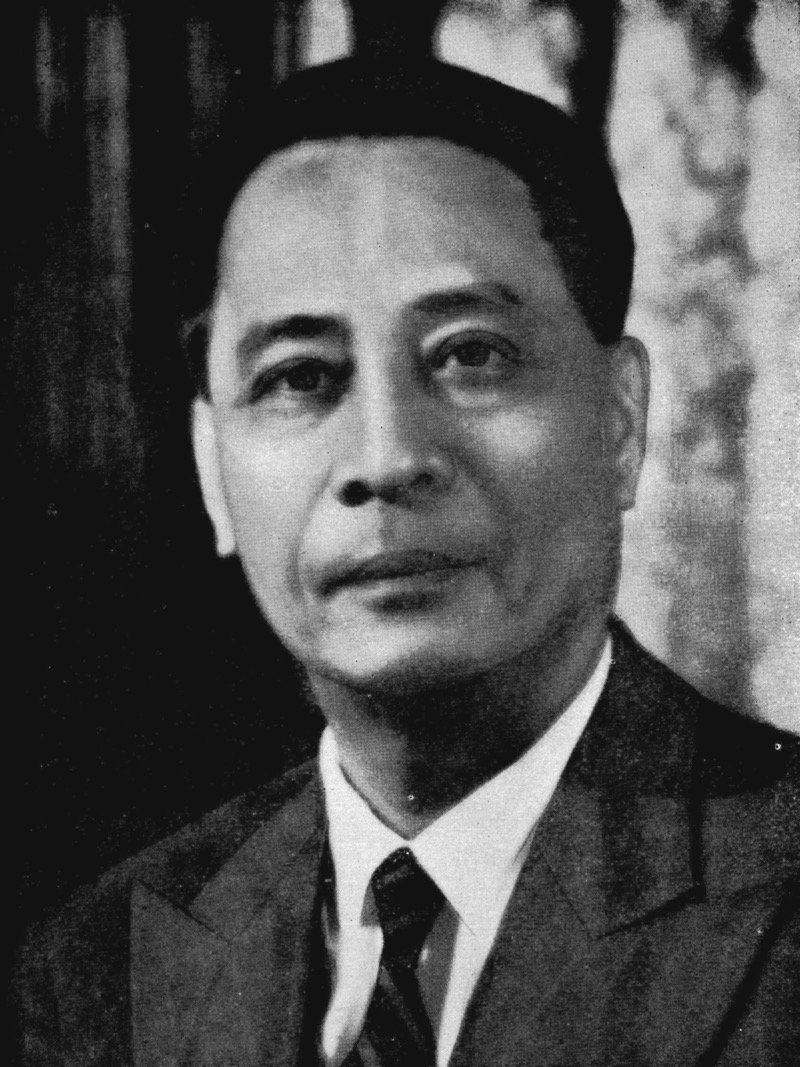
Last Commonwealth president and first president of the independent Third RepublicThe final Commonwealth president who became the first leader of the independent Third Republic and confronted postwar reconstruction.Read biography
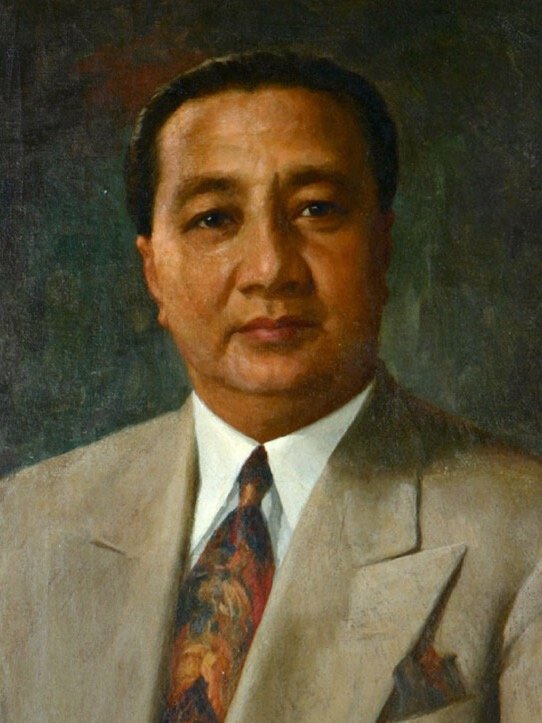
President of the Philippines, 1948–1953A postwar president who rebuilt state institutions, established the central bank and governed through the continuing Huk rebellion.Read biography
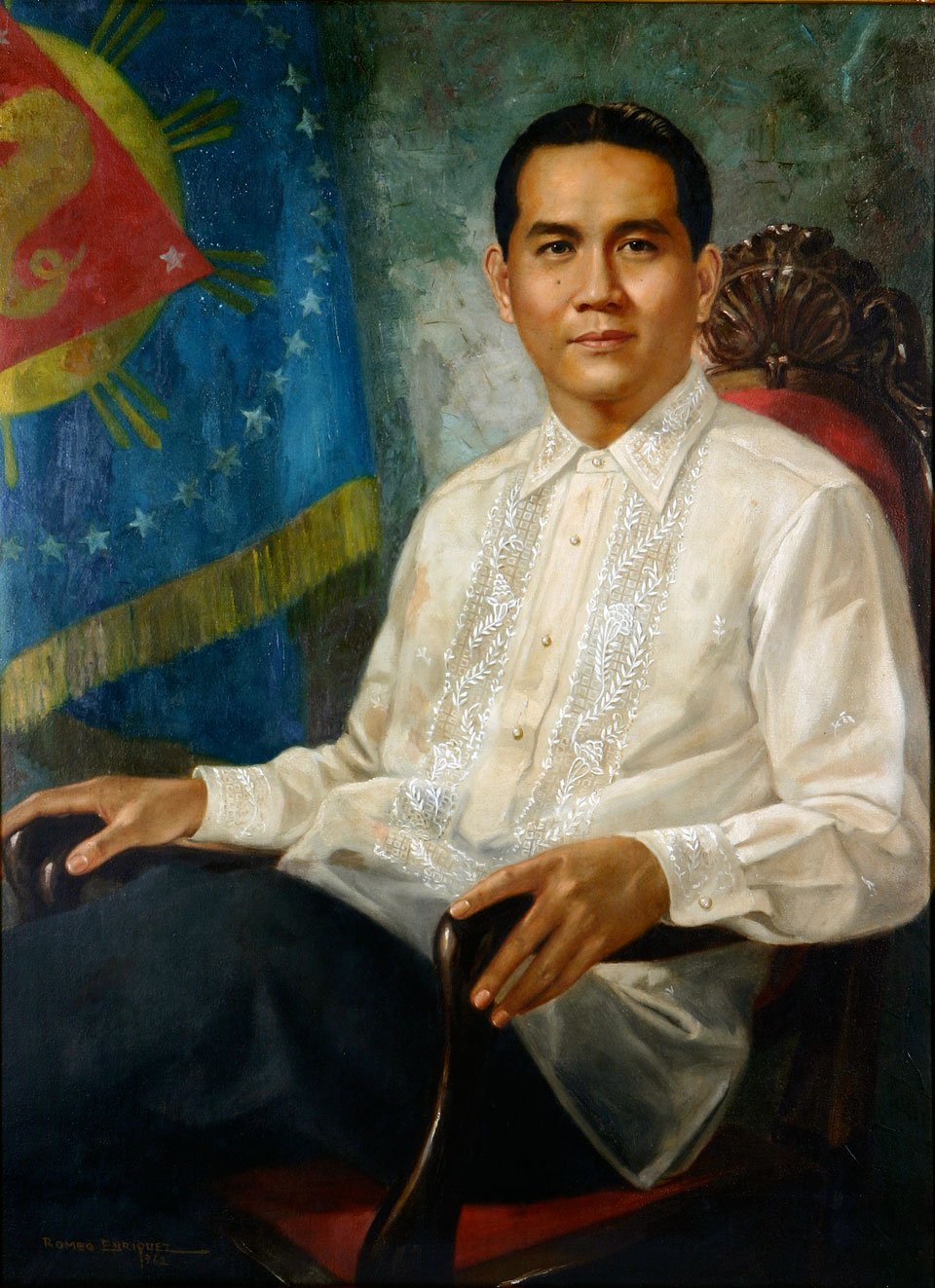
President of the Philippines, 1953–1957A former guerrilla and defence secretary whose accessible governing style and anti-Huk campaign made him a postwar political icon.Read biography
President of the Philippines, 1957–1961A Boholano lawyer, poet and president who promoted Filipino ownership, fiscal restraint and a more assertive economic nationalism.Read biography
President of the Philippines, 1961–1965The president who pursued agricultural land reform, dismantled exchange controls and restored 12 June as the national observance of Philippine independence.Read biography
Journalist, diplomat and UN General Assembly presidentA Pulitzer-winning journalist, wartime official and diplomat who represented the Philippines at the United Nations across the country’s transition to independence.Read biography
Senator, jurist and nationalist statesmanA lawyer, legislator and writer whose constitutional work and postwar nationalism challenged unequal economic and military ties with the United States.Read biography
Educator, senator and UNESCO board memberAn educator and social worker elected in 1947 as the first woman senator, who later became the first Filipino and first woman on UNESCO’s Executive Board.Read biography
Guerrilla commander, governor and defence secretaryA teacher and Bataan veteran who survived the Death March, organised a large Bulacan guerrilla command and moved into postwar provincial and national government.Read biography
Vice president, senator and diplomatA lawyer and legislator from Misamis Oriental who became vice president, led foreign affairs and later served as ambassador to the United States.Read biography
Peasant organiser and Hukbalahap leaderA peasant organiser who helped lead the Hukbalahap against Japanese occupation, was blocked from taking his elected seat in 1946 and later led an armed rebellion against the Philippine government.Read biography
Senator, nationalist and anti-dictatorship leaderA four-term Filipino senator known as Ka Tanny who returned from retirement to defend political prisoners and lead public resistance under martial law.Read biography
Continue the story
Read the conflicts behind the biographies
Begin with independence and its economic settlement, then follow the rural rebellion and reform presidency that defined the 1950s.
It was the constitutional republic inaugurated when the United States recognised Philippine independence on 4 July 1946. Its pre-martial-law presidential sequence ran from Manuel Roxas through Ferdinand Marcos.
Why include critics as nation-builders?
Institutions develop through opposition as well as government. Recto and Tañada shaped how Filipinos debated economic sovereignty, military bases and executive power.
How did the Huk rebellion shape the early republic?
It made land inequality, local violence and state legitimacy urgent national issues and helped propel Ramon Magsaysay from the defence department to the presidency.
Who was the first woman elected to the Philippine Senate?
Geronima T. Pecson won election in 1947. She worked on education, health and social welfare and later served on UNESCO’s Executive Board.
Why is Carlos P. Romulo important?
Romulo led the Philippine delegation at the founding United Nations conference and became the first Asian president of a regular UN General Assembly session.
Primary and institutional sources
How the collection was checked
Regional comparisons are checked against official archives, legislation and institutional histories. Individual biographies contain person-level citations.
 Philippines · Politics
 Philippines · Politics
 Philippines · Politics
 Philippines · Politics
 Philippines · Politics
 Philippines · Politics
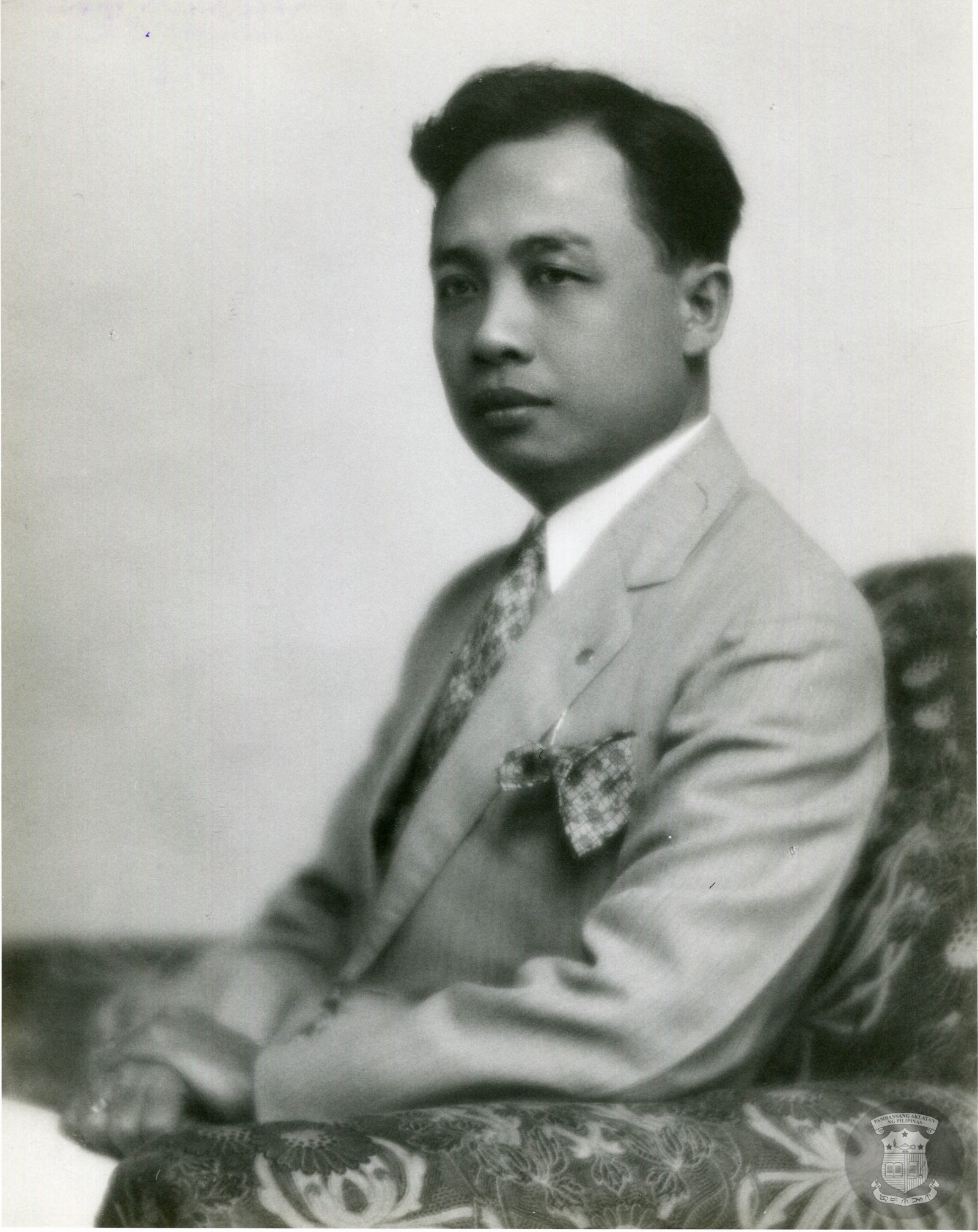 Philippines · Politics
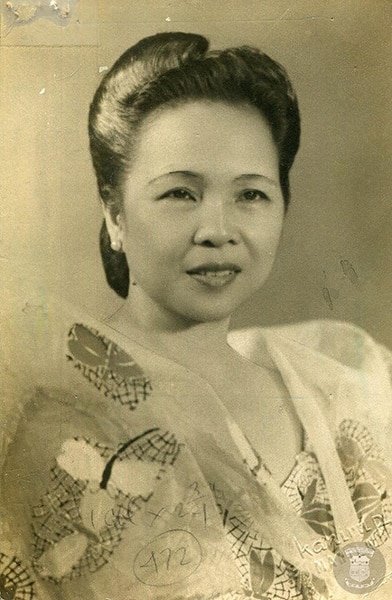 Philippines · Politics
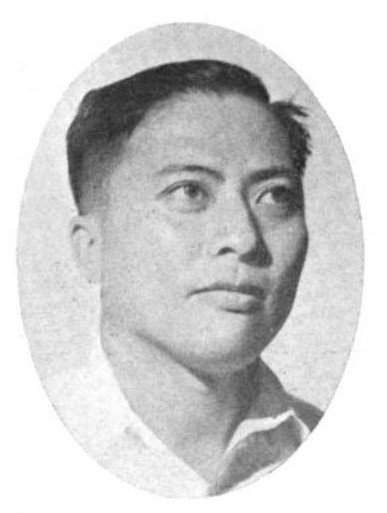 Philippines · Politics
 Philippines · Politics
 Philippines · Politics