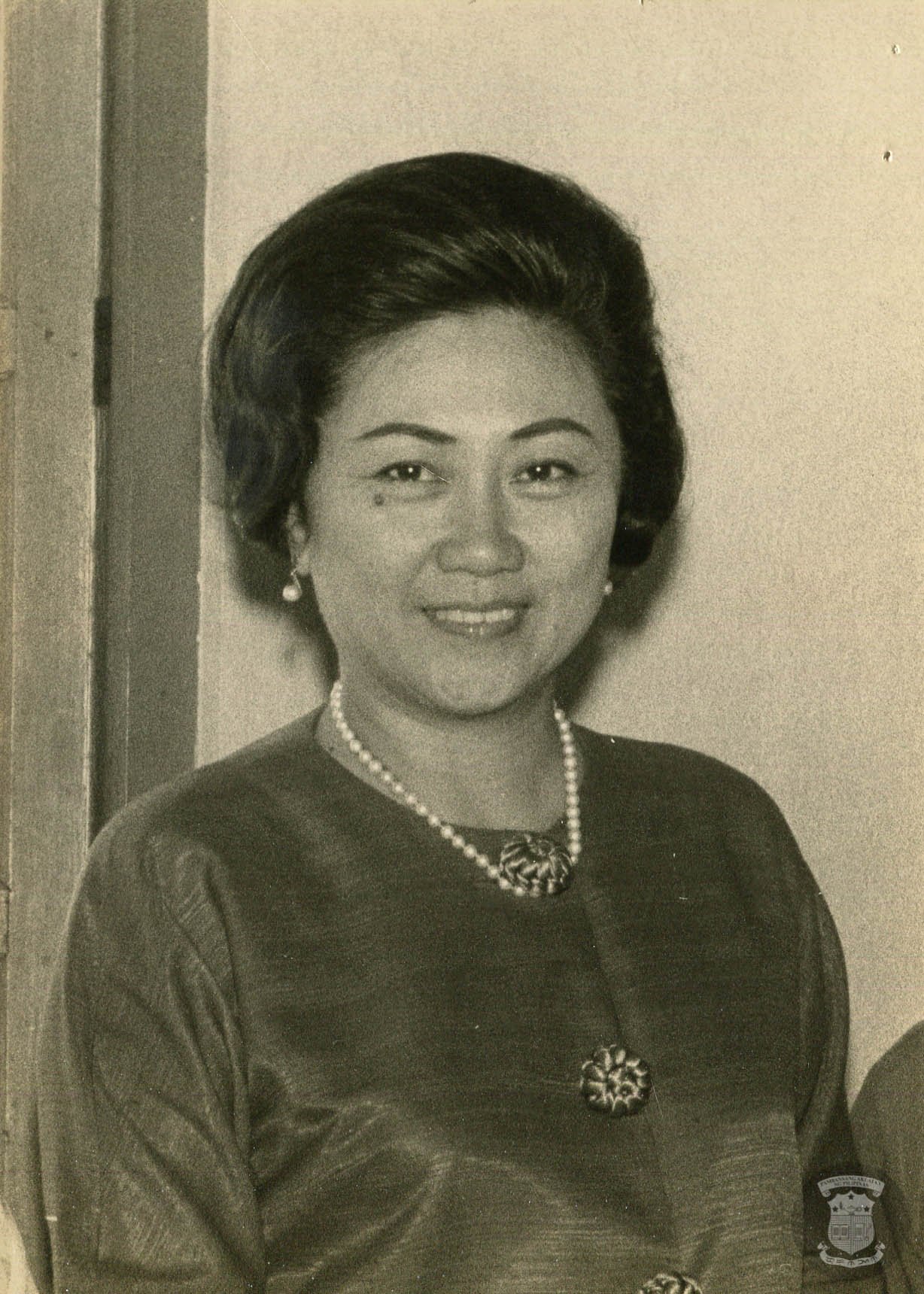

In this biography
Quick facts
- Born
- 25 August 1924
- Died
- 19 April 1982
- Birthplace
- Manila, Philippines
- Country
- Philippines
- Nationality
- Filipino
- Known for
- Leading the Senate minority before martial law and sustaining the Liberal opposition after Congress was closed
- Full name
- Gerardo Manuel de Leon Roxas
- House service
- Capiz representative, 1957–1963
- Senate service
- 1963–1972
- Party office
- Liberal Party president, 1969–1982
Why this life matters
Roxas linked the electoral politics of the postwar republic to organised opposition under authoritarian rule, while resisting the assumption that a prominent political family guaranteed access to power.
Timeline
Key moments
Elected to the House
Began two terms representing the first district of Capiz.
Topped the Senate election
Moved to national office with the largest vote among that year’s Senate candidates.
Ran for vice president
Joined incumbent Diosdado Macapagal on the Liberal Party ticket and narrowly lost to Fernando Lopez.
Led the Liberal Party and Senate minority
Won reelection as the party’s sole successful Senate candidate and became minority leader.
Survived the Plaza Miranda bombing
Was wounded with his wife Judy and fellow opposition candidates at the campaign rally.
Worked for democratic restoration
Continued to lead the Liberal Party after martial law closed the Senate.
A political inheritance tested in elections
Gerardo Roxas was the son of President Manuel Roxas and Trinidad de Leon, but built his own legislative record through two terms in the House and election to the Senate in 1963. A University of the Philippines law graduate, he focused on economic affairs, education, housing and public accountability.
The Liberal Party nominated him for vice president in 1965. Separate voting produced a close loss to Fernando Lopez even as Ferdinand Marcos defeated President Macapagal, leaving Roxas to rebuild his position through the Senate.
Minority leadership before martial law
Roxas became Liberal Party president in 1969 and was the party’s only successful Senate candidate that year. As minority leader, he confronted a Nacionalista administration with strong control of both executive office and Congress.
The 1971 Plaza Miranda bombing seriously injured Roxas, his wife and many Liberal candidates. The party went on to win six of the eight contested Senate seats, but the chamber itself was closed the following year when Marcos imposed martial law.
Opposition without an open legislature
With normal congressional politics suspended, Roxas continued as a party leader and advocate for restoring democratic institutions. His public life illustrates how opposition shifted from floor debate and election campaigns to coalitions operating under censorship and executive rule.
Roxas died in New York in April 1982, four years before People Power. The Liberal Party and the broader opposition survived him, but his death removed one of the figures connecting the pre-1972 Senate to the effort to recover constitutional government.
Quick answers
Frequently asked questions about Gerardo “Gerry” Roxas
- Who was Gerardo “Gerry” Roxas?
- Gerardo “Gerry” Roxas was a senator and Liberal Party opposition leader. Roxas linked the electoral politics of the postwar republic to organised opposition under authoritarian rule, while resisting the assumption that a prominent political family guaranteed access to power.
- What is Gerardo “Gerry” Roxas best known for?
- Gerardo “Gerry” Roxas is best known for leading the Senate minority before martial law and sustaining the Liberal opposition after Congress was closed.
- When and where was Gerardo “Gerry” Roxas born?
- Gerardo “Gerry” Roxas was born on 25 August 1924 in Manila, Philippines.
- When did Gerardo “Gerry” Roxas die?
- Gerardo “Gerry” Roxas died on 19 April 1982.
Sources and further reading
How this biography was checked
Core dates and offices are checked against the sources below. This profile was last reviewed on 9 September 2026.