
In this biography
Quick facts
- Born
- 19 August 1878
- Died
- 1 August 1944
- Birthplace
- Baler, Tayabas, Philippines
- Country
- Philippines
- Nationality
- Filipino
- Known for
- Leading the Commonwealth and preparing the country for independence
- Office
- President of the Commonwealth, 1935–1944
- Earlier role
- Resident Commissioner to the United States
- Major legislation
- Tydings–McDuffie Act and Commonwealth transition
- Wartime role
- Head of the government in exile
Why this life matters
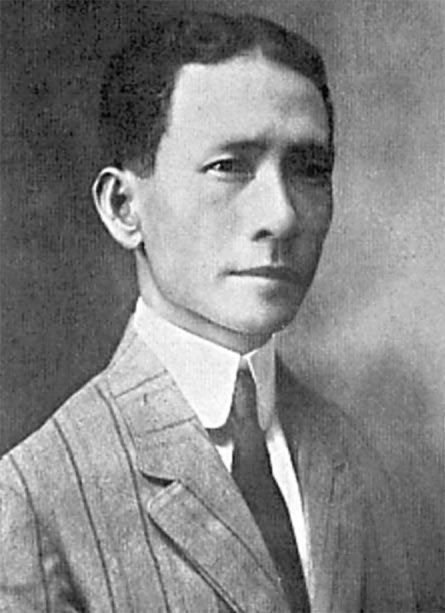
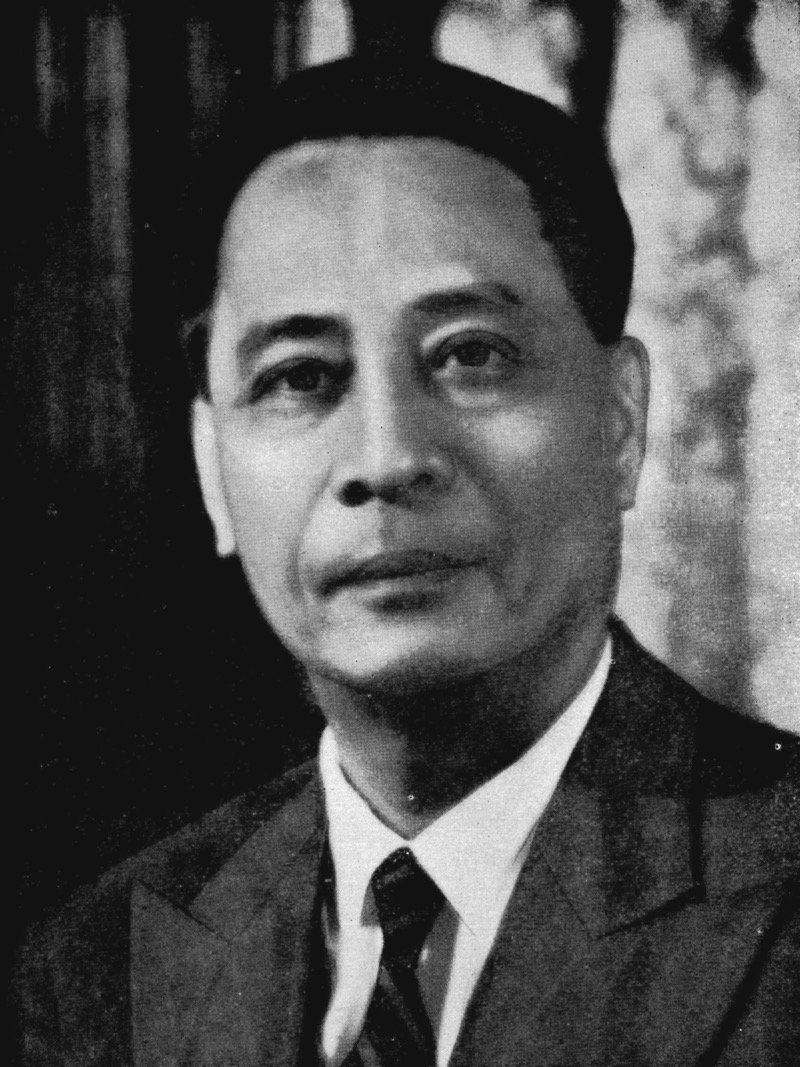
Quezon helped move the independence campaign from colonial representation to self-government, while shaping the institutions, language policy and capital of the future republic.
Timeline
Key moments
Born in Baler
Born on 19 August in what was then the province of Tayabas.
Entered the Philippine Assembly
Won election after service as a lawyer and provincial governor.
Became resident commissioner
Represented the Philippines in the U.S. House of Representatives.
Elected Commonwealth president
Led the new transitional government created before independence.
Government in exile
Continued the Commonwealth government from the United States after the Japanese invasion.
Negotiating a route to independence
Quezon fought briefly in the Philippine-American War, then built a career in law and elected politics. As resident commissioner in Washington and later senate president, he made independence the organising goal of his public life.
He rejected one early U.S. independence measure and supported the Tydings–McDuffie Act, which created a ten-year Commonwealth transition. In 1935 voters elected him the Commonwealth’s first president.
State-building under pressure
Quezon’s administration developed executive institutions, social-justice programmes, national defence and a common-language policy. The creation of Quezon City also reflected his effort to give the coming republic a new administrative centre.
Japan’s invasion forced the government abroad in 1942. Quezon continued to represent the Philippines among the Allied powers until his death from tuberculosis in 1944, two years before formal independence.
Quick answers
Frequently asked questions about Manuel L. Quezon
- Who was Manuel L. Quezon?
- Manuel L. Quezon was a president of the Commonwealth of the Philippines. Quezon helped move the independence campaign from colonial representation to self-government, while shaping the institutions, language policy and capital of the future republic.
- What is Manuel L. Quezon best known for?
- Manuel L. Quezon is best known for leading the Commonwealth and preparing the country for independence.
- When and where was Manuel L. Quezon born?
- Manuel L. Quezon was born on 19 August 1878 in Baler, Tayabas, Philippines.
- When did Manuel L. Quezon die?
- Manuel L. Quezon died on 1 August 1944.
Sources and further reading
How this biography was checked
Core dates and offices are checked against the sources below. This profile was last reviewed on 8 September 2026.