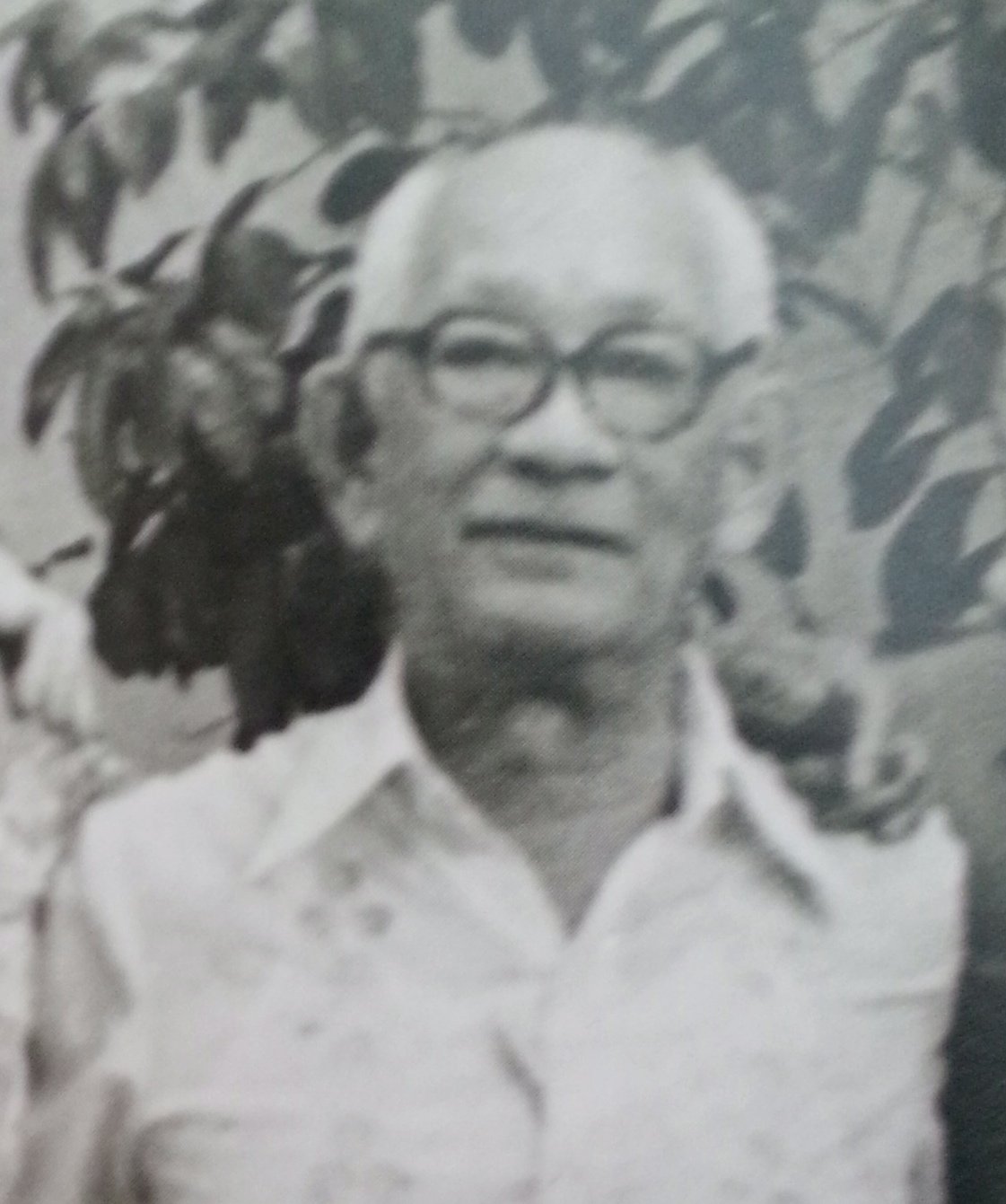

In this biography
Quick facts
- Born
- 10 August 1898
- Died
- 28 May 1992
- Birthplace
- Gumaca, Quezon, Philippines
- Country
- Philippines
- Nationality
- Filipino
- Known for
- Leading legal and street opposition to the Marcos dictatorship and campaigning against foreign military bases
- Known as
- Ka Tanny
- Senate tenure
- Four terms over 24 years
- Opposition party
- Lakas ng Bayan, 1978
- Later campaign
- Anti-Bases Coalition
Why this life matters
Tañada carried an older tradition of nationalist parliamentary politics into the mass democratic movement, showing how legal advocacy and public protest could reinforce each other.
Timeline
Key moments
Served as solicitor general
Entered senior public service after working as a lawyer and judge.
Completed four Senate terms
Built a long legislative record on nationalism, labour rights, accountability and privacy.
Returned to oppose martial law
Came back from travel after the declaration and joined the legal and political resistance.
Helped build FLAG
Worked with Jose W. Diokno and other lawyers defending detainees and victims of abuse.
Organised Lakas ng Bayan
Helped form the opposition slate that included imprisoned leader Benigno Aquino Jr.
Saw the bases treaty rejected
Witnessed the Senate vote against a new agreement for continued United States military bases.
A nationalist career in law and the Senate
Lorenzo Martinez Tañada studied law in the Philippines and at Harvard, then worked as a prosecutor, judge and solicitor general. He won four Senate terms and spent twenty-four years in the chamber without becoming dependent on a single major political bloc.
His legislative interests included public accountability, labour protection, privacy and the recognition of 12 June as Philippine Independence Day. National sovereignty remained the thread connecting his work across changing administrations.
From retirement to resistance
Tañada had recently retired from elected office when Marcos imposed martial law. He returned to the Philippines, represented political prisoners before military tribunals and supported families navigating detention and repression.
He helped organise opposition groups, including Lakas ng Bayan for the 1978 election, and continued joining street demonstrations into his eighties. His age and former office gave public legitimacy to coalitions that brought together lawyers, religious groups, students, workers and veteran politicians.
Sovereignty after dictatorship
After the fall of Marcos, Tañada continued campaigns against the Bataan nuclear power plant and the continued presence of United States military bases. These causes extended his argument that democracy required both accountable government and national independence.
He lived to see the Senate reject a new bases treaty in September 1991 and died the following year. His long public life connected pre-martial-law legislative politics, anti-dictatorship resistance and the sovereignty debates of restored democracy.
Quick answers
Frequently asked questions about Lorenzo Tañada
- Who was Lorenzo Tañada?
- Lorenzo Tañada was a senator, nationalist and anti-dictatorship leader. Tañada carried an older tradition of nationalist parliamentary politics into the mass democratic movement, showing how legal advocacy and public protest could reinforce each other.
- What is Lorenzo Tañada best known for?
- Lorenzo Tañada is best known for leading legal and street opposition to the Marcos dictatorship and campaigning against foreign military bases.
- When and where was Lorenzo Tañada born?
- Lorenzo Tañada was born on 10 August 1898 in Gumaca, Quezon, Philippines.
- When did Lorenzo Tañada die?
- Lorenzo Tañada died on 28 May 1992.
Sources and further reading
How this biography was checked
Core dates and offices are checked against the sources below. This profile was last reviewed on 9 September 2026.