Twelve lives connecting pioneering Senate careers, diplomacy, environmental policy, civil liberties, democratic transition, executive power and the continuing struggle over who leads public institutions.
A focused starting point
These profiles compare different routes into leadership: education, social welfare, journalism, environmental advocacy, opposition mobilisation, economic expertise and law grounded in community service. The collection will expand as new biographies are researched.
01
A first seat in the Senate
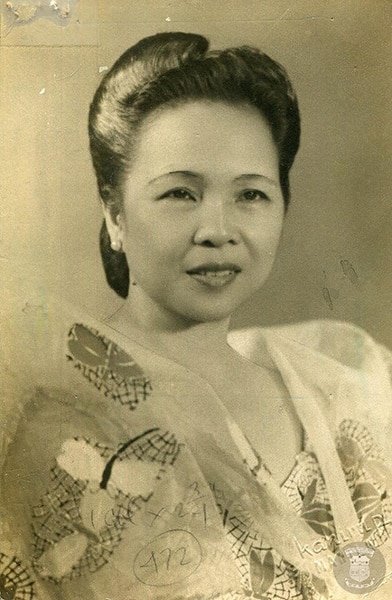
Geronima Pecson became the first woman elected to the chamber in 1947 and used the office to advance education, health and social welfare.
02
Consumer rights and cultural institutions
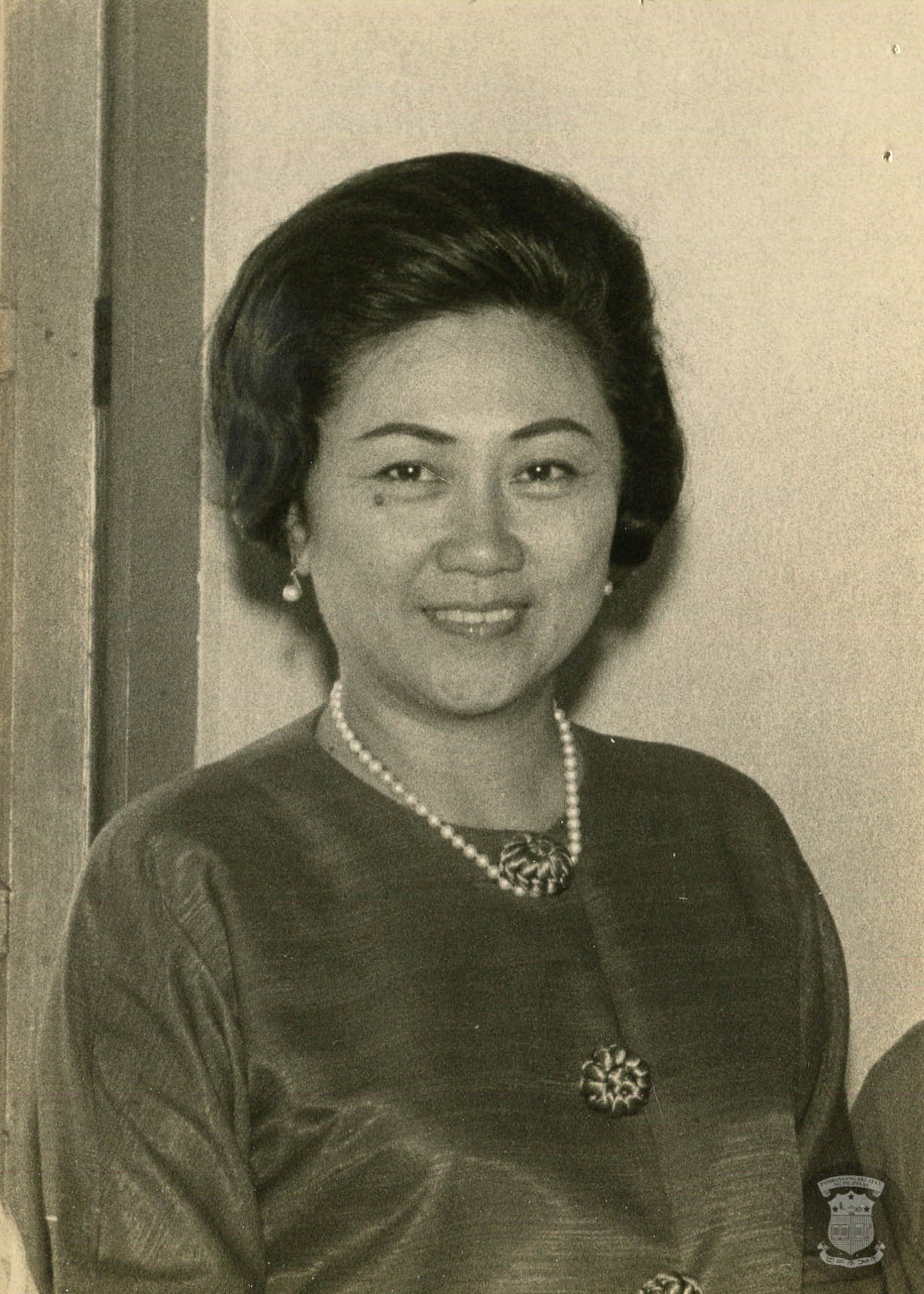
Maria Kalaw Katigbak chaired education and commerce committees and wrote the Truth in Lending Act during the Fifth Congress.
03
Environmental policy before it was mainstream
Helena Benitez connected conservation law, technical education, women’s leadership and cultural diplomacy before the Senate closed in 1972.
04
Civil liberties and opposition politics
Eva Estrada Kalaw linked legislation on local government and consumer protection to sustained opposition before and during the Marcos dictatorship.
05
Democratic transition
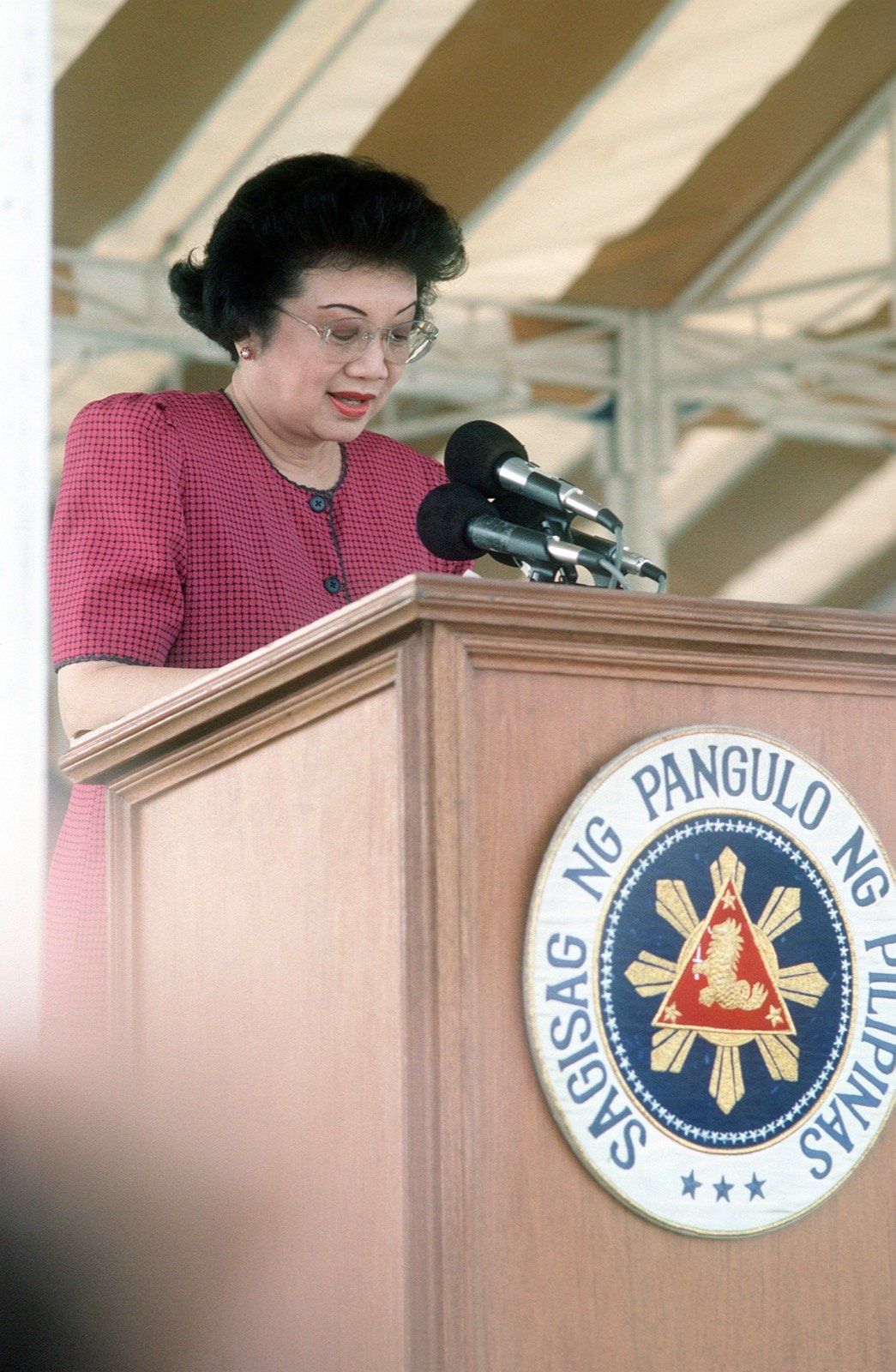
Corazon Aquino moved from opposition symbol to the presidency and oversaw the constitutional restoration that followed the Marcos dictatorship.
06
Diplomacy and gender institutions
Leticia Ramos-Shahani carried United Nations work on women and development into the restored Senate and became its first woman president pro tempore.
07
Law, administration and presidential politics
Miriam Defensor Santiago moved through the judiciary, cabinet and three Senate terms while mounting three campaigns for the presidency.
08
Executive power and longevity
Gloria Macapagal Arroyo moved from economist and senator to vice president, president and House speaker across more than three decades of national office.
09
Climate resilience and cultural policy
Loren Legarda carried a broadcast career into four Senate terms and sustained national agendas on climate adaptation, disaster risk and cultural heritage.
10
Citizenship and independent national politics
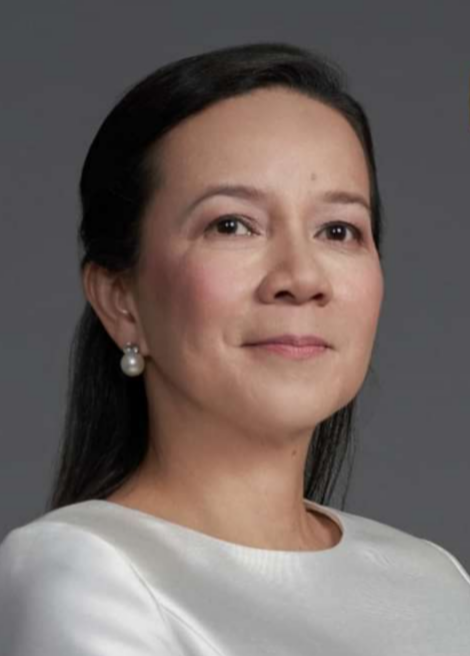
Grace Poe turned a first-place Senate victory and her experience as a foundling into landmark constitutional cases and an independent presidential campaign.
11
Civic participation beyond office
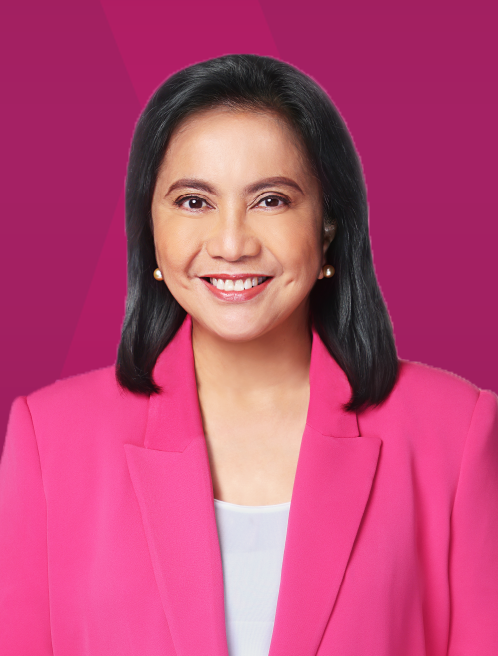
Leni Robredo connected alternative law, the vice presidency, volunteer-led anti-poverty work and a return to city government in Naga.
12
Regional power and a separate national mandate
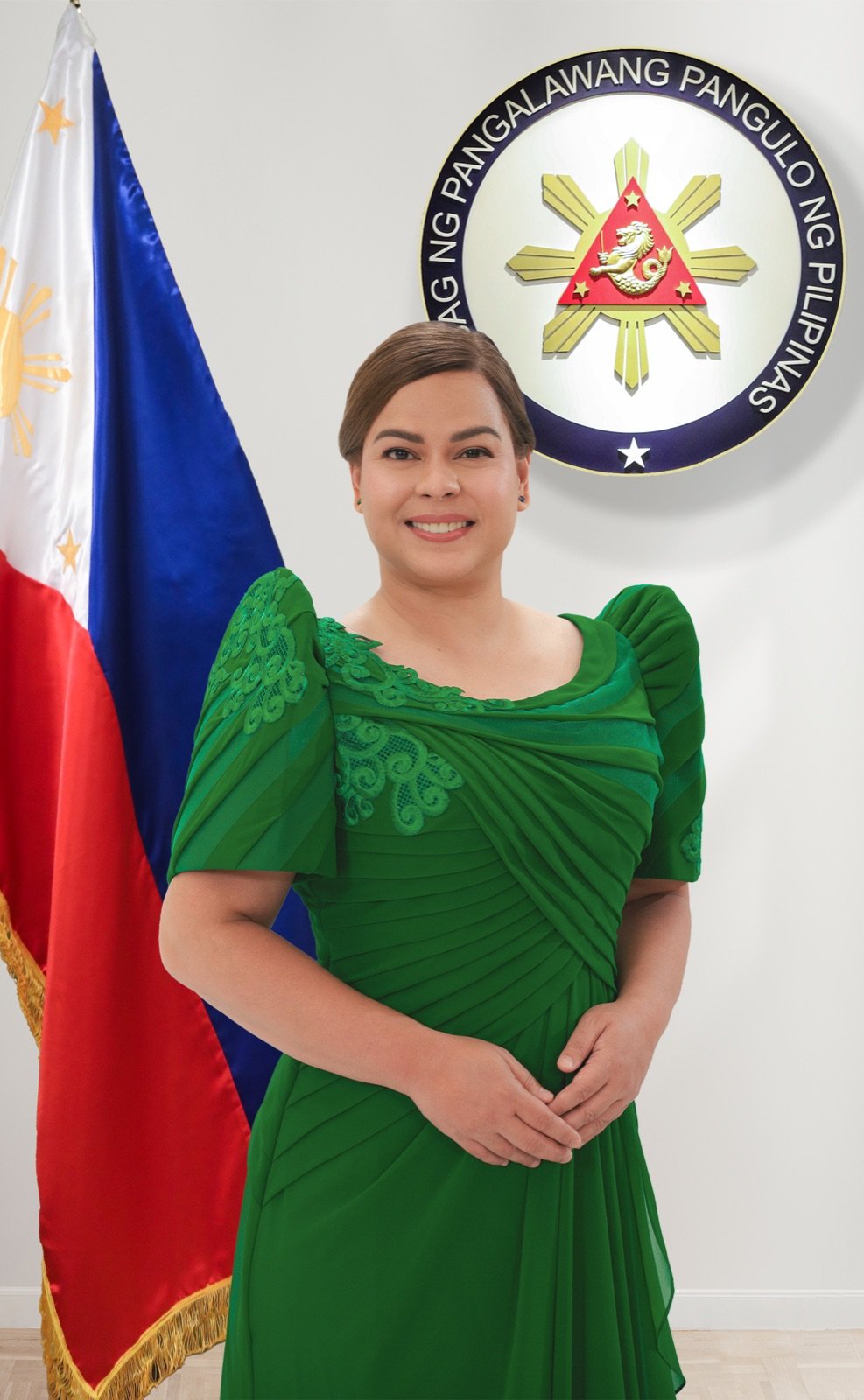
Sara Duterte carried three terms as Davao City mayor into a record vice-presidential vote, cabinet service and a later constitutional confrontation.
Educator, senator and UNESCO board memberAn educator and social worker elected in 1947 as the first woman senator, who later became the first Filipino and first woman on UNESCO’s Executive Board.Read biography
Senator, journalist and consumer-protection legislatorA journalist, civic leader and senator who turned work in education and the Girl Scouts into national policy on credit transparency and cultural institutions.Read biography
Educator, senator and environmental policy pioneerAn educator and senator whose work connected women’s leadership, technical training, cultural diplomacy and some of the republic’s earliest environmental laws.Read biography
Senator, educator and opposition leaderAn educator and civic organiser who served in the Senate from 1965 until its closure, survived Plaza Miranda and helped organise electoral opposition under martial law.Read biography
President of the Philippines, 1986–1992The opposition leader who became president after People Power and restored constitutional government following the Marcos dictatorship.Read biography
Diplomat, women’s-rights advocate and senatorA diplomat, United Nations official and senator who helped move gender equality from international commitments into Philippine policy and law.Read biography
Senator, judge and public administratorA lawyer, judge, cabinet official and senator whose sharp legal arguments and forceful public style made her one of the Philippines’ most recognisable political figures.Read biography
President of the Philippines, 2001–2010The economist, senator and vice president who led the Philippines from 2001 to 2010 and later returned to Congress as a Pampanga representative.Read biography
Journalist, legislator and climate-policy advocateAn award-winning broadcaster who became a four-term senator, two-time vice-presidential candidate and leading legislative advocate for climate resilience and culture.Read biography
Former senator, media regulator and presidential candidateA former media regulator and two-term senator whose 2016 presidential campaign turned her personal history as a foundling into a constitutional test of citizenship and belonging.Read biography
Vice president of the Philippines, 2016–2022, and mayor of Naga CityThe lawyer, former vice president and current Naga mayor known for community-based anti-poverty programmes and a volunteer-driven reform movement.Read biography
Vice president and former Davao City mayorA lawyer and Davao City politician who became the Philippines’ fifteenth vice president after winning a record national vote in 2022.Read biography
Political context
Connect offices to turning points
Place these biographies in the larger presidential archive and the political order built after People Power.
Which women served in the Philippine Senate in the 1960s?
This collection includes Maria Kalaw Katigbak, who served from 1961 to 1967, and Helena Z. Benitez and Eva Estrada Kalaw, who served in the Senate until it was closed in 1972.
Who was the first woman senator of the Philippines?
Geronima T. Pecson became the first woman elected to the Philippine Senate in 1947.
Who was the first woman president of the Philippines?
Corazon Aquino became the first woman president in 1986 after the People Power Revolution.
Who was the second woman president?
Gloria Macapagal Arroyo became president in January 2001 and served until June 2010.
Is this a complete list of women in Philippine politics?
No. It is a focused collection of twelve sourced biographies spanning the Senate, presidency, vice presidency, diplomacy and civic leadership, with more national, local and movement leaders planned.