
In this biography
Quick facts
- Born
- 1870
- Died
- 13 September 1907
- Birthplace
- Tondo, Manila, Philippines
- Country
- Philippines
- Nationality
- Filipino
- Known for
- Continuing armed resistance after the declared end of the Philippine–American War
- Joined Katipunan
- 1894
- Government
- Republika ng Katagalugan
- Colonial law
- Brigandage Act of 1902
- Execution
- Hanging, 13 September 1907
Why this life matters
Sakay’s campaign exposes the politics behind the 1902 end date and the colonial reclassification of continuing independence fighters as brigands.
Timeline
Key moments
Born in Tondo
Born in Manila into a working-class community.
Joined the Katipunan
Assisted its printing work and fought with the movement associated with Andrés Bonifacio.
Founded the Republika ng Katagalugan
Organised a government and resistance command after the United States declared the wider war over.
Came down after amnesty negotiations
Entered Manila after negotiations promising an amnesty and was arrested soon afterward.
Executed by hanging
Was put to death under the colonial legal category of brigandage rather than recognised as a belligerent.
A Katipunan organiser from Tondo
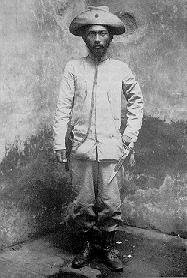
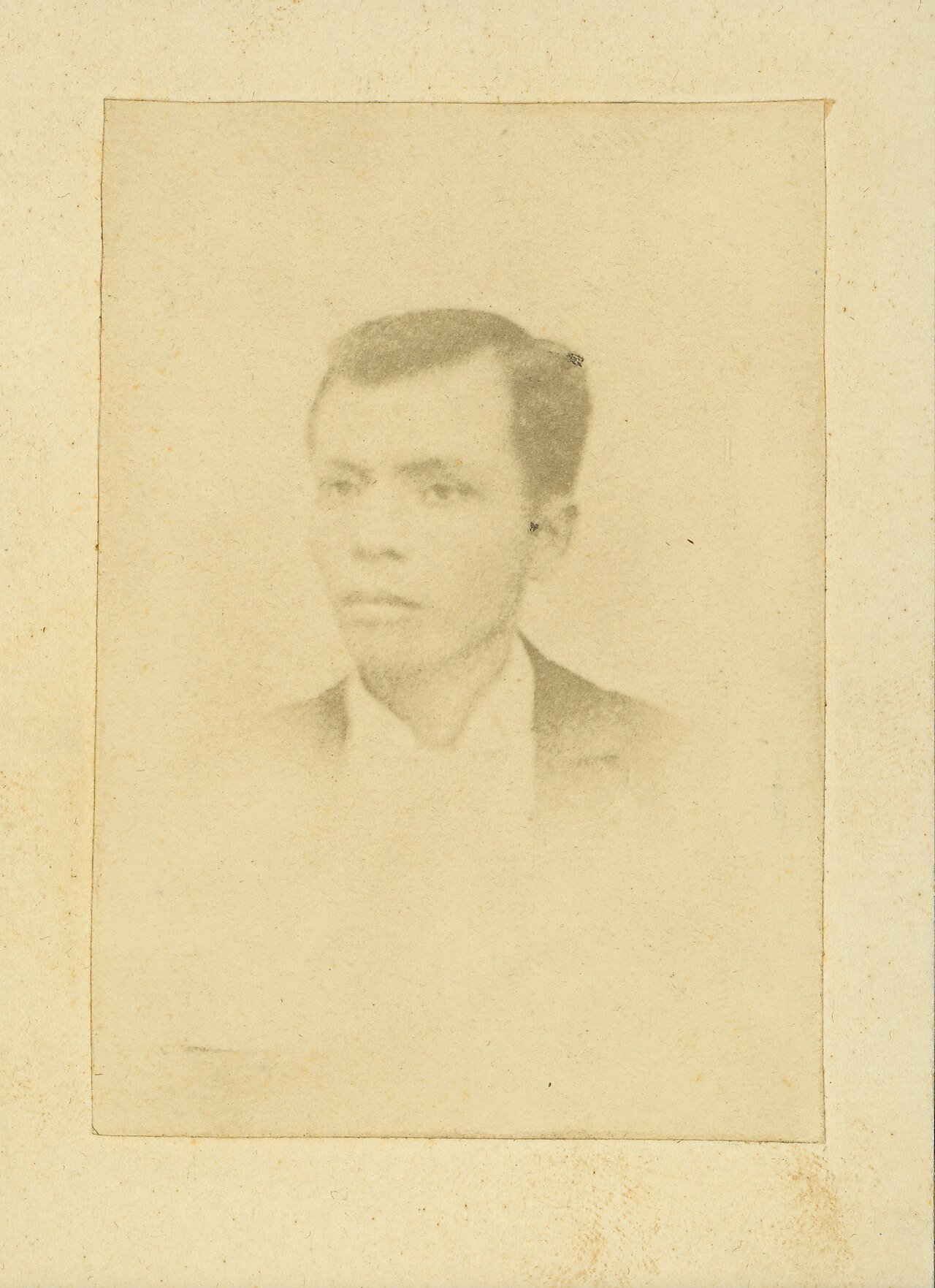
Macario Sakay joined the Katipunan in 1894, assisted its press and fought alongside Andrés Bonifacio’s forces. His early work tied armed struggle to printing, organisation and neighbourhood networks in Tondo.
He remained active as the revolution shifted from Spanish to American rule. An arrest in 1901 and release under amnesty did not end his commitment to independence; he returned to the mountains and rebuilt resistance in southern Luzon.
Republika ng Katagalugan and the disputed end of war
In 1902 Sakay established a Republika ng Katagalugan, serving as president and organising military and civilian authority from bases around Mount San Cristobal and the Morong mountains. Its political language continued the Katipunan’s claim to a sovereign national community.
The colonial government instead prosecuted such forces under Act No. 518, the Brigandage Act. That legal classification treated armed groups as robbers or brigands and narrowed the space in which continuing resistance could be recognised as political warfare.
Negotiated surrender, arrest and execution
Sakay came down after negotiations in 1906 that included assurances of amnesty. The NHCP marker states that he entered Manila at the governor-general’s invitation and was arrested less than two weeks later. Philippine Senate records describe the surrender as a deception.
He was convicted and hanged on 13 September 1907. Later commemoration rejected the colonial image of a common bandit and restored his campaign to the history of independence, while also showing why resistance did not end everywhere on 4 July 1902.
Quick answers
Frequently asked questions about Macario Sakay
- Who was Macario Sakay?
- Macario Sakay was a katipunan organiser and president of the Republika ng Katagalugan. Sakay’s campaign exposes the politics behind the 1902 end date and the colonial reclassification of continuing independence fighters as brigands.
- What is Macario Sakay best known for?
- Macario Sakay is best known for continuing armed resistance after the declared end of the Philippine–American War.
- When and where was Macario Sakay born?
- Macario Sakay was born in 1870 in Tondo, Manila, Philippines.
- When did Macario Sakay die?
- Macario Sakay died on 13 September 1907.
Sources and further reading
How this biography was checked
Core dates and offices are checked against the sources below. This profile was last reviewed on 9 September 2026.