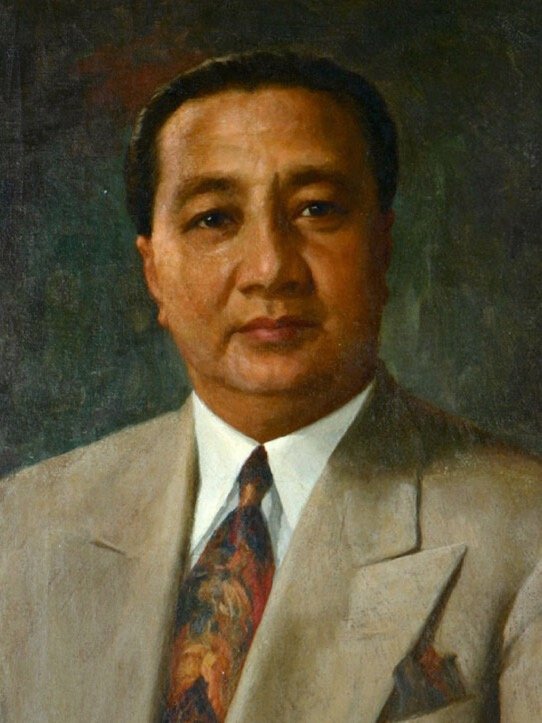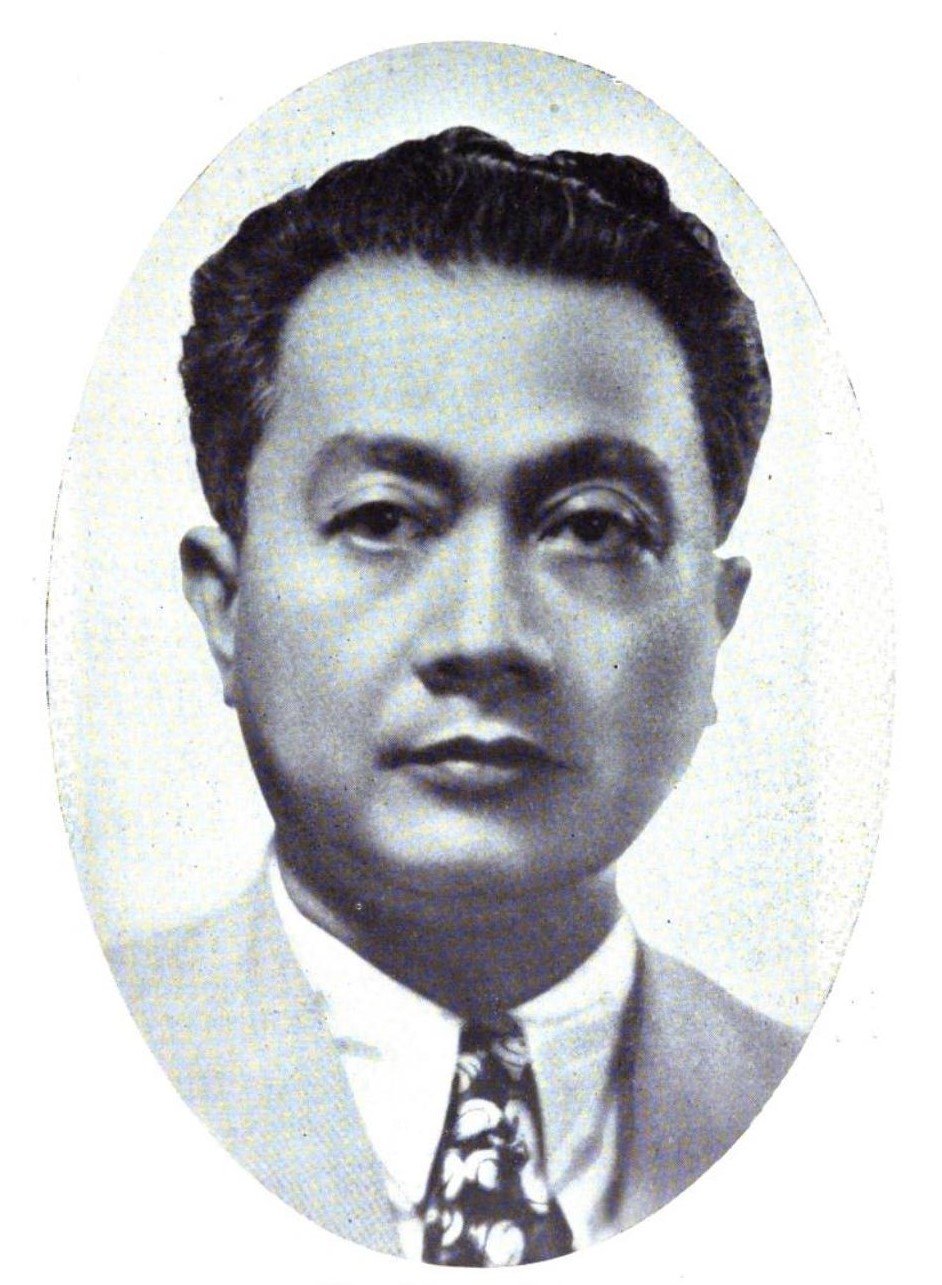
In this biography
Quick facts
- Born
- 13 November 1896
- Died
- 4 August 1957
- Birthplace
- Basista, Pangasinan, Philippines
- Country
- Philippines
- Nationality
- Filipino
- Known for
- Leading the House from independence in 1946 through the Quirino administration
- House speaker
- 1946–1953
- Historical distinction
- First speaker of the independent republic
- Constituency
- Pangasinan’s second district
- Party affiliation
- Liberal Party co-founder and leader
Why this life matters
Perez helped organise the lower chamber at the birth of the independent republic and maintained a durable majority through the difficult years of postwar reconstruction.
Timeline
Key moments
Entered municipal government
Served in local government before Congress; the NHCP marker gives 1922–1925, while later reporting dates his San Carlos council service to 1926.
Won a House seat
Began a long legislative career representing Pangasinan’s second district.
Returned with the restored Congress
Resumed legislative work after liberation and the end of Japanese occupation.
Became speaker
Succeeded Jose Zulueta shortly before the republic became independent on 4 July.
Parity amendment challenged in court
The Supreme Court considered Mabanag v. Lopez Vito, concerning the amendment resolution signed by Perez and Senate President Jose Avelino.
Left the speakership
The 1953 election produced a new majority; Jose Laurel Jr. led the Third Congress in 1954, while Perez continued as a representative.
Died while still a legislator
Died in Quezon City on 4 August.
Birth centenary commemorated
Proclamation No. 873 designated 1996 as Speaker Eugenio Perez Centennial Year.
Pangasinan origins and a career in law
Eugenio Perez was born on 13 November 1896 in Obong, in the Basista area of what was then San Carlos, Pangasinan. The NHCP’s historical marker records his University of the Philippines arts degree in 1918 and law degree in 1922. He entered national legislative service in 1928 as representative of Pangasinan’s second district.
His earlier municipal chronology is less consistent. The marker gives councillor service in 1922–1925, while a later Philippine Daily Inquirer account places his election to the San Carlos council in 1926. Both identify local service before Congress, but this profile does not silently replace one set of dates with the other.
The first speaker after independence
The House roster traces Perez through the prewar Philippine Legislature and Commonwealth National Assemblies, then the restored Commonwealth Congress in 1945. These were different constitutional bodies, not one uninterrupted peacetime institution. War disrupted the legislature before liberation brought congressional work back to Manila.
Perez succeeded Jose Zulueta as speaker in 1946, shortly before independence on 4 July. He presided over the First and Second Congresses of the republic through 1953. “First speaker of the republic” therefore means the independent postwar republic, not the first speaker in Philippine legislative history. Sergio Osmeña had led the Philippine Assembly from 1907.
Reconstruction and the responsibilities of the House
The chamber Perez led faced an economy damaged by occupation and war. Restoring credit, public services and productive capacity required legislation as well as executive action. His later centenary proclamation specifically recognised the role of Congress under his speakership in rehabilitation and industrial reconstruction.
One institutional example was Republic Act No. 85 of 29 October 1946, creating the Rehabilitation Finance Corporation. It belongs to the reconstruction programme of the Congress he presided over, not a claim that he personally designed every provision. The LawPhil text incorporates later amendments, including the institution’s subsequent Development Bank of the Philippines name, so those later provisions should not all be dated to 1946.
The parity-rights dispute and congressional exclusion
Reconstruction also involved arguments over sovereignty and American economic privileges. The parity-amendment resolution of 18 September 1946 carried Perez’s signature as speaker and Jose Avelino’s as Senate president. It proposed giving Americans access to specified natural resources and public utilities on the same terms as Filipinos during the agreement’s operation.
In Mabanag v. Lopez Vito, decided on 5 March 1947, challengers argued that excluding disputed legislators from the membership count had improperly produced the required three-fourths vote. The Court declined to invalidate the resolution, relying on political-question and enrolled-resolution reasoning. That disposition did not establish that every allegation about the excluded legislators was true. The case shows why Perez’s speakership belongs in the history of contested postwar representation as well as institutional recovery.
Sources for this section: [4]
Opposition after the 1953 realignment
Ramon Magsaysay’s victory and the 1953 electoral realignment ended Liberal control of the speakership. Jose Laurel Jr. led the Third Congress when it assembled in 1954. Perez remained a Pangasinan representative and became an opposition leader rather than leaving public life with the speaker’s chair.
He died in Quezon City on 4 August 1957. Proclamation No. 873, issued for his 1996 centenary, recalled both his speakership and his later service on the Council of State as minority leader. His career illustrates how legislative influence could continue after a party lost its governing majority.
Quick answers
Frequently asked questions about Eugenio Perez
- Who was Eugenio Perez?
- He was a Pangasinan legislator and Liberal Party leader who served as House speaker in 1946–1953, spanning independence and the first two Congresses of the postwar republic.
- Was Eugenio Perez the first Philippine House speaker?
- He was the first speaker of the independent postwar republic, not the first presiding officer of an elected Philippine assembly. Sergio Osmeña had become Philippine Assembly speaker in 1907.
- What does the parity-rights case show about his speakership?
- The 1946 amendment resolution bore his signature. Mabanag v. Lopez Vito addressed a challenge to the vote and membership count, including excluded legislators. Its 1947 dismissal was not a finding that every allegation about those legislators was proved.
- Did Eugenio Perez leave Congress when he lost the speakership?
- No. He continued representing Pangasinan in the Third Congress and became an opposition leader. He died on 4 August 1957 while still a legislator.
Keep exploring
Lives connected to this story
- Jose Zulueta
The restored Commonwealth House speaker who preceded Perez in 1946.
- Manuel Roxas
The president during independence and the early reconstruction and parity-rights debates.
- Luis Taruc
A Democratic Alliance representative whose exclusion forms part of the postwar representation dispute.
- Jose Laurel Jr.
The Nacionalista speaker who led the House after the 1953 electoral realignment.
Sources and further reading
Explore the evidence
These references support the biography and offer further reading. Official records, first-person accounts and independent reporting provide different perspectives; image records document attribution and licensing.
- 1. National Historical Commission of the PhilippinesEugenio Perez y Padlan, 1896–1957
The 1996 marker dates local councillor service to 1922–1925. Later Inquirer reporting gives 1926 for San Carlos. The profile preserves that discrepancy and does not treat the marker as a contemporaneous election return.
- 2. Philippine Daily InquirerOutstanding son: Pangasinan honors forgotten Speaker
- 3. The LawPhil ProjectRepublic Act No. 85 — Rehabilitation Finance Corporation, as amended
A consolidated statutory text with later amendments. The original act’s date and institutional purpose illustrate reconstruction under this Congress; later capital levels or powers are not attributed to the original 1946 enactment or to Perez alone.
- 4. Supreme Court of the Philippines / LawPhilMabanag v. Lopez Vito, 5 March 1947
The majority decision and separate opinions must be distinguished. The resolution reproduced in the case bears Perez’s signature; judicial treatment of its certification does not prove the underlying election-irregularity allegations.
- 5. House of Representatives of the PhilippinesRoster of Philippine legislators, 1907–2019
The Eugenio P. Perez entry distinguishes nine legislative periods from 1928 to 1957, including the 1945 restored Commonwealth Congress. It supports constituency and service periods, not a claim of uninterrupted parliamentary activity during occupation.
- 6. The LawPhil ProjectProclamation No. 873 — Eugenio Perez birth centenary
- 7. Wikimedia CommonsPortrait and public-domain record