
In this biography
Quick facts
- Born
- 27 November 1932
- Died
- 21 August 1983
- Birthplace
- Concepcion, Tarlac, Philippines
- Country
- Philippines
- Nationality
- Filipino
- Known for
- Opposing the Marcos dictatorship and becoming a catalyst for democratic mobilisation after his assassination
- Nickname
- Ninoy
- Office
- Senator, 1967–1972
- Detention
- Arrested after martial law was imposed in 1972
- Assassination
- 21 August 1983, Manila International Airport
Why this life matters
Aquino’s death widened resistance from established opposition circles into a national democratic movement and set in motion the political crisis that culminated in People Power.
Timeline
Key moments
Born in Tarlac
Born in Concepcion on 27 November.
Negotiated Luis Taruc’s surrender
Worked as an emissary during the campaign against the Huk rebellion.
Elected to the Senate
Became a leading national critic of President Ferdinand Marcos.
Arrested under martial law
Was detained after Marcos closed Congress and moved against opposition figures.
Went to the United States
Received permission for heart surgery and remained abroad in exile.
Assassinated on return
Was shot after leaving his aircraft at Manila International Airport on 21 August.
A rapid rise into national opposition
Aquino worked as a journalist and Korean War correspondent before entering local politics in Tarlac. He became mayor, vice-governor, governor and then senator, combining political skill with increasingly direct criticism of Marcos.
When martial law began in 1972, Aquino was among the first opposition leaders arrested. A military commission sentenced him to death in 1977 on charges he denied. Years of detention, including a hunger strike, made him the regime’s best-known political prisoner.
Exile, return and the crisis after his death
Aquino travelled to the United States for heart surgery in 1980 and lived there with his family. In 1983 he chose to return despite warnings that he faced arrest or death, arguing that the country’s political crisis required him to take the risk.
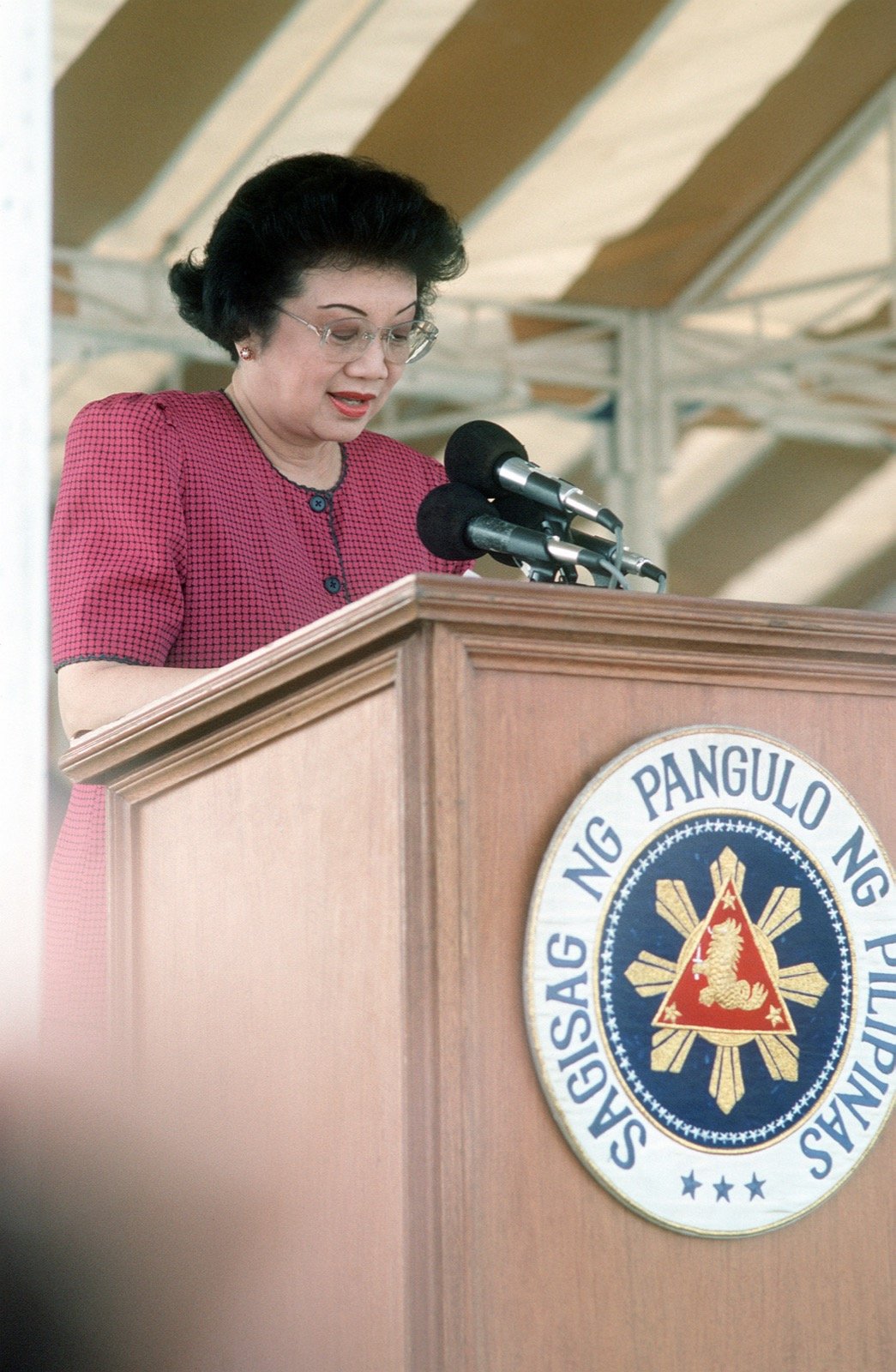
He was assassinated at the airport immediately after landing. The killing did not by itself create the democratic opposition, but the public funeral, investigations and sustained protest brought previously separate groups together. Three years later, his widow Corazon Aquino challenged Marcos and became president after People Power.
Quick answers
Frequently asked questions about Benigno Aquino Jr.
- Who was Benigno Aquino Jr.?
- Benigno Aquino Jr. was a senator and opposition leader. Aquino’s death widened resistance from established opposition circles into a national democratic movement and set in motion the political crisis that culminated in People Power.
- What is Benigno Aquino Jr. best known for?
- Benigno Aquino Jr. is best known for opposing the Marcos dictatorship and becoming a catalyst for democratic mobilisation after his assassination.
- When and where was Benigno Aquino Jr. born?
- Benigno Aquino Jr. was born on 27 November 1932 in Concepcion, Tarlac, Philippines.
- When did Benigno Aquino Jr. die?
- Benigno Aquino Jr. died on 21 August 1983.
Sources and further reading
How this biography was checked
Core dates and offices are checked against the sources below. This profile was last reviewed on 8 September 2026.