
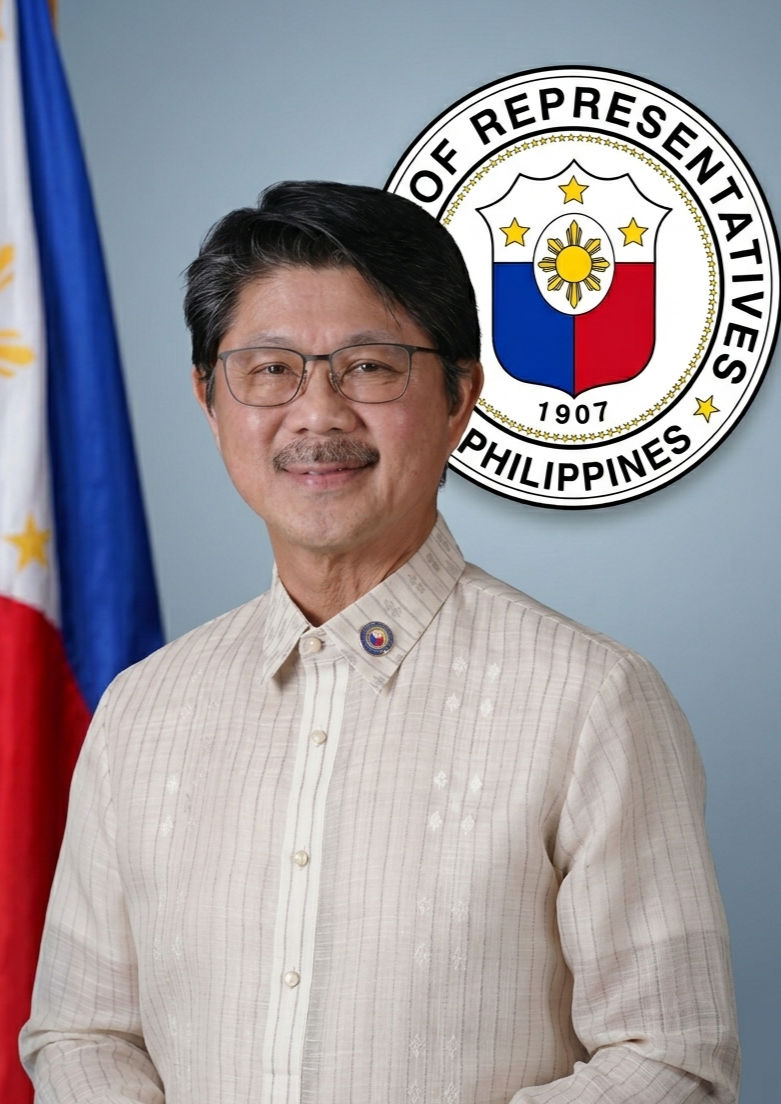
In this biography
Quick facts
- Born
- 31 August 1961
- Birthplace
- Isabela, Philippines
- Country
- Philippines
- Nationality
- Filipino
- Known for
- Becoming House speaker in September 2025 after four decades in local and national office
- House speaker
- Elected 17 September 2025; office checked 16 October 2026
- House election
- 253 votes on 17 September 2025
- Governor of Isabela
- 2010–2019
- House constituency
- Isabela’s sixth district, 20th Congress
Why this life matters
Dy brought a long local-government career to the speakership during a crisis of public confidence over infrastructure spending and remains the chamber’s current leader.
Timeline
Key moments
Entered youth leadership
Began public service through the Kabataang Barangay in Isabela.
Mayor of Cauayan
Led the municipality before its conversion into a city and his move to Congress.
Third-district representative
Served three House terms before returning to provincial executive office.
Governor of Isabela
Led the provincial government for three terms.
Vice governor
Held provincial legislative leadership before returning to the House for the sixth district.
Elected speaker
House members elected him with 253 votes after Martin Romualdez stepped down.
LegisHear consultations
The programme began in Isabela; the House reported its sixth consultation in Calamba in October.
A political career rooted in Cauayan and Isabela
Faustino “Bojie” Dy III was born on 31 August 1961 and built his public career in Isabela before becoming a national legislative leader. The Philippine Information Agency’s career account traces his entry into youth public service to 1980, followed by barangay-related leadership and municipal office. His familiar name, Bojie, distinguishes him in a family with several similarly named public officials.
He became mayor of Cauayan in 1992 and served until 2001. The move from local administration to Congress followed that municipal career rather than beginning with the speakership. Isabela remained his electoral base across different offices, providing continuity of constituency even as his executive and legislative responsibilities changed.
Sources for this section: [4]
Different districts and provincial responsibilities
Dy represented Isabela’s third district from 2001 to 2010, then served as governor from 2010 to 2019 and vice governor from 2019 to 2025. His return to the House in the 20th Congress was for the sixth district. The third- and sixth-district records therefore refer to different stages, not interchangeable names for his current seat.
Those positions also entailed different forms of authority. A governor leads a provincial executive; the vice governor presides over the provincial legislative body. A district representative participates in national lawmaking while representing a territorial constituency. The sequence helps explain his administrative experience without suggesting that a long list of elected offices alone establishes the success of every policy.
How he became House speaker in September 2025
On 17 September 2025, House members elected Dy speaker with 253 votes, replacing Martin Romualdez after the latter stepped down. The House’s own photographic news record identifies both the date and the vote. Dy moved from deputy speaker to presiding leader while remaining an elected district representative.
This was an internal election by legislators, not a nationwide presidential vote. It took place amid controversy over infrastructure spending and public demands for accountability. The leadership change itself was neither a judicial finding against a named individual nor proof that the underlying spending questions had been resolved. Those matters require their own evidence and institutional proceedings.
Sources for this section: [3]
What the speaker can and cannot do
Article VI, Section 16 of the 1987 Constitution provides for the House to elect its speaker by a majority of all its members. It also recognises each chamber’s authority over its proceedings. The office gives Dy a central place in legislative organisation, but does not turn him into the president or give him unilateral power to enact national laws.
Bills still move through constitutional procedures involving other representatives, the Senate where applicable, and presidential action. Public promises, committee discussions, a House vote and an enacted statute are different stages. This distinction is especially important when evaluating a speaker’s announcements about budgets or reform: the status of the measure matters as much as the announcement.
Sources for this section: [9]
LegisHear and a dated record of his 2026 work
PIA reported in August 2026 that Dy launched LegisHear at Isabela State University’s Echague campus. The programme was designed to collect community views on proposed legislation while connecting participants with government services. His explanation linked it to earlier public consultations on proposed anti-political-dynasty legislation, not to a claim that such a bill had already become law.
A House release dated 10 October 2026 identifies Dy as speaker at the sixth LegisHear consultation in Calamba, Laguna. It provides a recent dated check on his office and the programme’s geographic expansion. These official accounts establish reported activities and stated intentions; determining whether consultations changed legislation or improved services requires following the resulting measures and their implementation.
Quick answers
Frequently asked questions about Faustino “Bojie” Dy III
- Who is Bojie Dy III?
- Faustino “Bojie” Dy III is an Isabela politician elected House speaker on 17 September 2025. An October 2026 House release still identifies him in that office.
- Which Isabela district does he represent?
- He represents the sixth district in the 20th Congress. His earlier House service from 2001 to 2010 was for the third district.
- Was he elected speaker by a nationwide vote?
- No. House members elected him with 253 votes. The speakership is distinct from the separately elected presidency.
- What is LegisHear?
- It is the House’s 2026 community-consultation programme. Official accounts describe gathering views on proposed laws; participation does not itself enact those proposals.
Keep exploring
Lives connected to this story
- Martin Romualdez
The speaker whom he succeeded in September 2025.
- Pantaleon Alvarez
Compare another recent speakership and its distinct political circumstances.
- Ferdinand Marcos Jr.
Distinguish presidential authority from the House speaker’s constitutional role.
Sources and further reading
Explore the evidence
These references support the biography and offer further reading. Official records, first-person accounts and independent reporting provide different perspectives; image records document attribution and licensing.
- 1. House of Representatives of the PhilippinesHouse leaders and current speaker
- 2. House of Representatives of the PhilippinesFaustino “Bojie” Dy III — House member profile
- 3. House of Representatives of the PhilippinesIsabela representative Faustino Dy III elected speaker
- 4. Philippine Information AgencyFrom Kabataang Barangay chair to House speaker
The indexed PIA profile supports the main career sequence; live retrieval timed out. Its broad vice-mayoral dating is not used to assert an exact appointment date, and promotional assessments are not adopted.
- 5. House of Representatives of the PhilippinesSpeaker Dy in the current House record, 7 September 2026
- 6. Wikimedia CommonsPortrait and CC0 record
- 7. Philippine Information AgencyLegisHear launch and its stated consultation objectives, 7 August 2026
- 8. House of Representatives of the PhilippinesSpeaker Dy: Every community has a story Congress needs to hear, 10 October 2026
The House release supplies a dated office check, not independent evaluation of the consultation programme’s effects.
- 9. The LawPhil Project1987 Constitution, Article VI: legislative powers and election of the speaker


