Collection · Thai political history

1932 · 1973 · 1992 · 1997 · After 2001

Power changes hands.
Institutions remember.

Ten biographies connecting revolution, military government, civic resistance, public administration, financial crisis and electoral realignment.

Read institutions through lives

No one leader explains modern Thai politics. This pathway compares people who occupied different kinds of authority and makes the conflicts between constitutional rules, military force, public legitimacy and electoral power easier to follow.

  1. 01

    Constitutional rupture in 1932

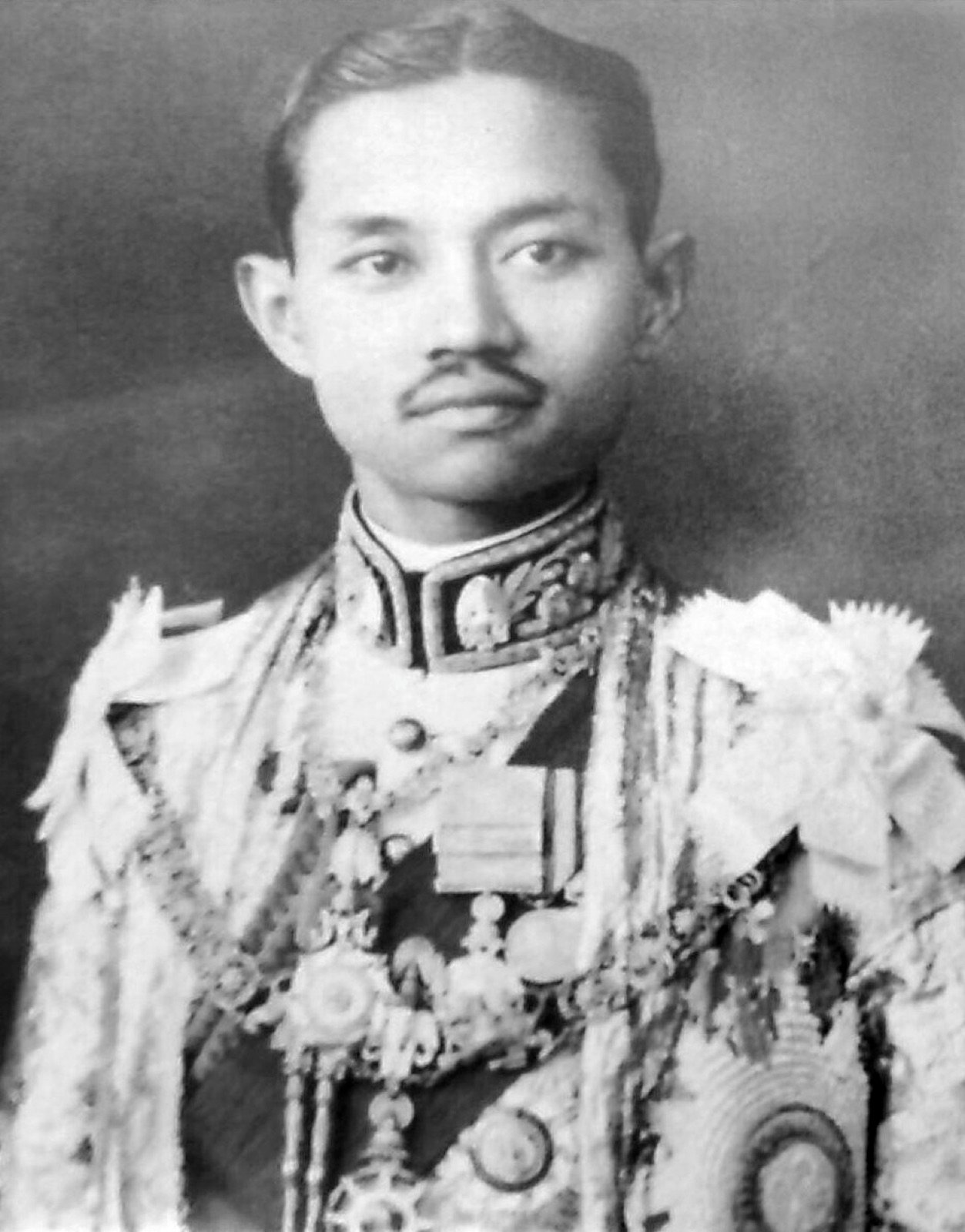
    Prajadhipok, Pridi and Phibun illuminate the end of absolute monarchy, first constitutions and early struggle between civilian and military power.

  2. 02

    Cold War military government

    Sarit and Thanom built authoritarian rule around the armed forces, development, anti-communism, United States alliance and renewed royal symbolism.

  3. 03

    Public service and democratic transition

    Puey and Anand show two routes through unelected systems: professional economic institutions, university freedom, interim government and constitutional reform.

  4. 04

    Crisis and electoral mass politics

    Chavalit, Thaksin and Yingluck connect the 1997 collapse to new policy coalitions and the long conflict between electoral mandates and unelected institutions.

10 sourced biographies

Monarch, revolutionaries, soldiers, reformers and elected leaders

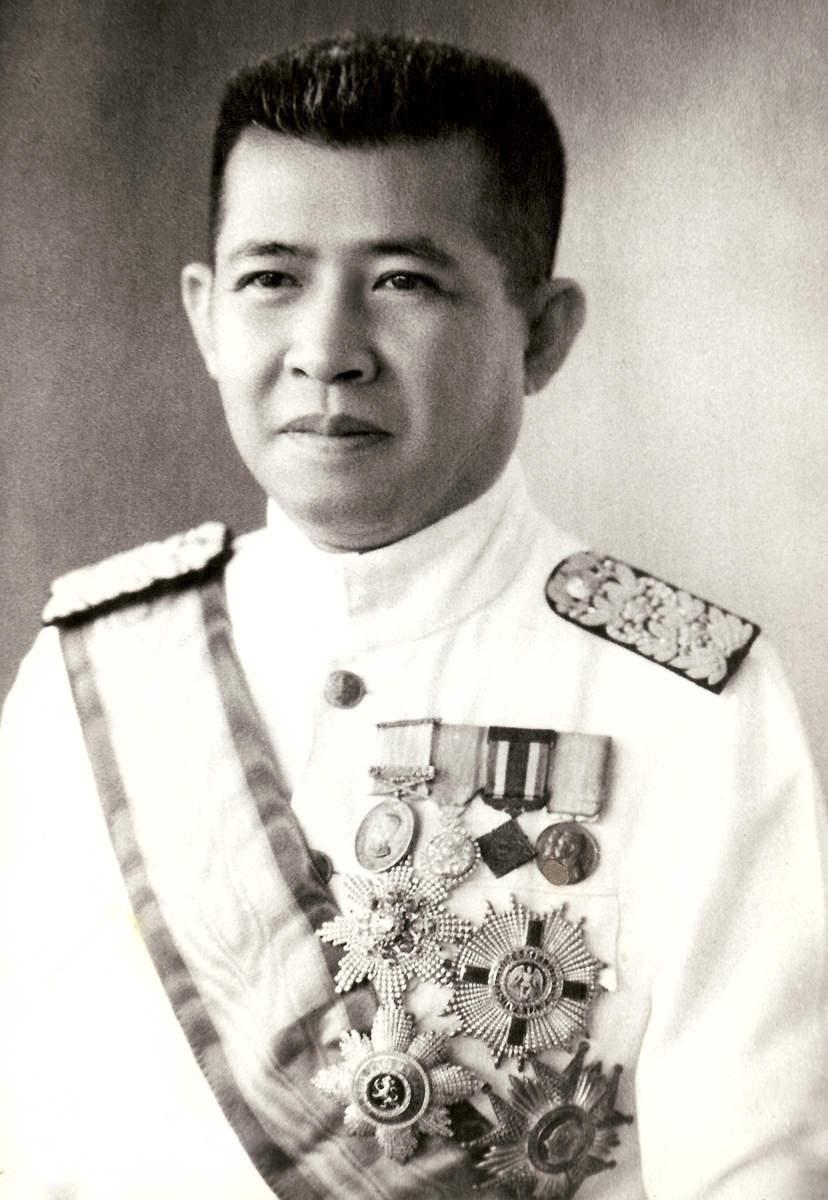
Pridi Banomyong in official uniform in 1946Thailand · Politics

1900—1983

Pridi Banomyong

Statesman, jurist and prime ministerA jurist and statesman who helped end absolute monarchy, founded Thammasat University and led the civilian Free Thai resistance during the Second World War.Read biography
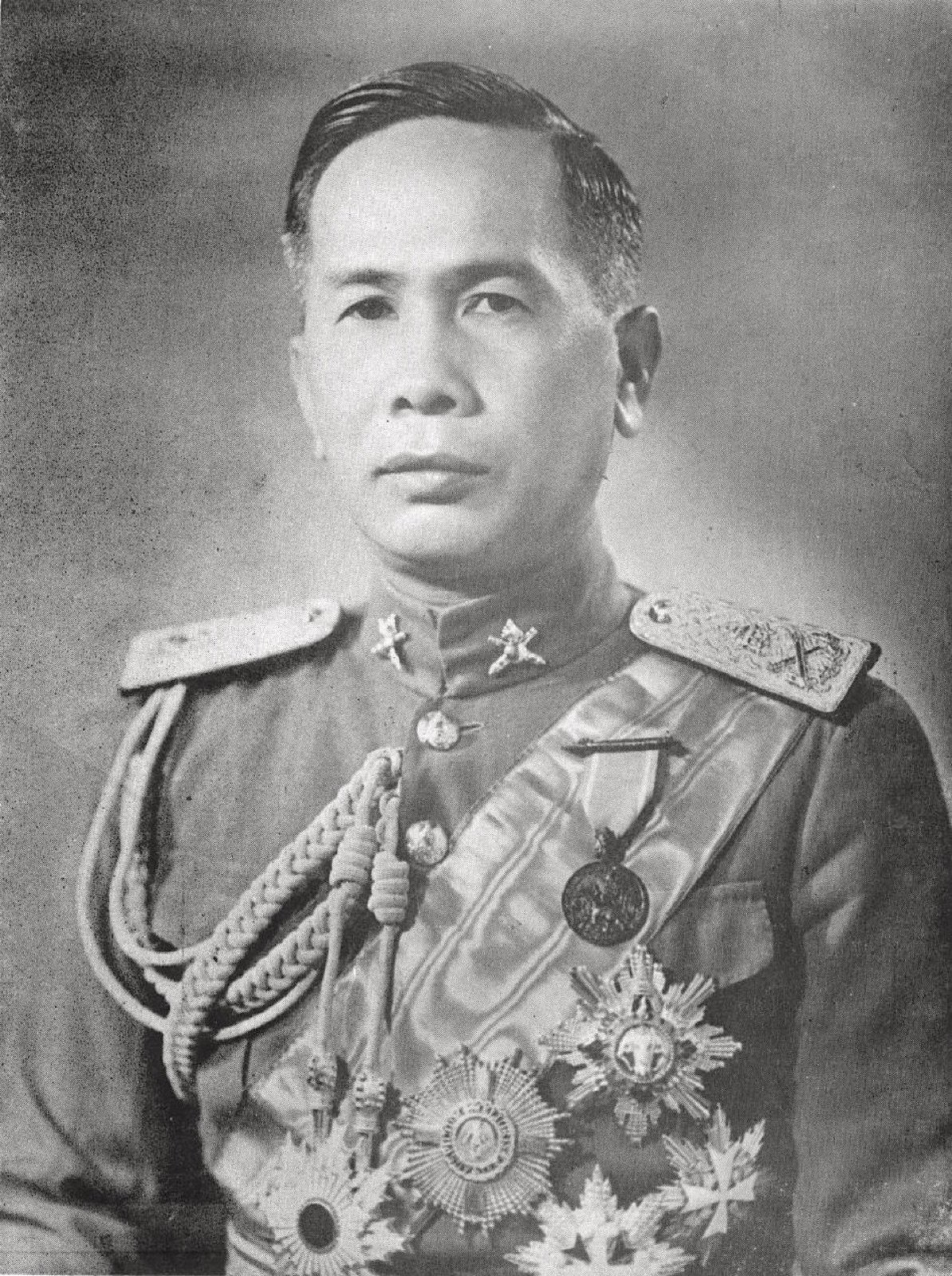
Field Marshal Plaek Phibunsongkhram in military uniformThailand · Politics

1897—1964

Plaek Phibunsongkhram

Military officer and prime minister of ThailandA military leader of the 1932 revolution who twice served as prime minister and used state power to promote nationalism, social mandates and a new name for the country.Read biography
Field Marshal Sarit Thanarat in military uniformThailand · Politics

1908—1963

Sarit Thanarat

Military ruler and prime minister of ThailandA field marshal who displaced Phibun, abolished constitutional politics and paired coercive rule with development planning and a close United States alliance.Read biography
Prime Minister Thanom Kittikachorn during a 1968 visitThailand · Politics

1911—2004

Thanom Kittikachorn

Military officer and prime minister of ThailandA field marshal whose governments deepened Thailand’s Cold War alliance and whose self-coup and continued military rule provoked the mass movement of October 1973.Read biography
Relief portrait of economist Puey Ungphakorn at the 6 October 1976 MemorialThailand · Politics

1916—1999

Puey Ungphakorn

Economist, central banker and university rectorAn economist, wartime Free Thai volunteer and long-serving central-bank governor who linked economic management, education and public responsibility.Read biography
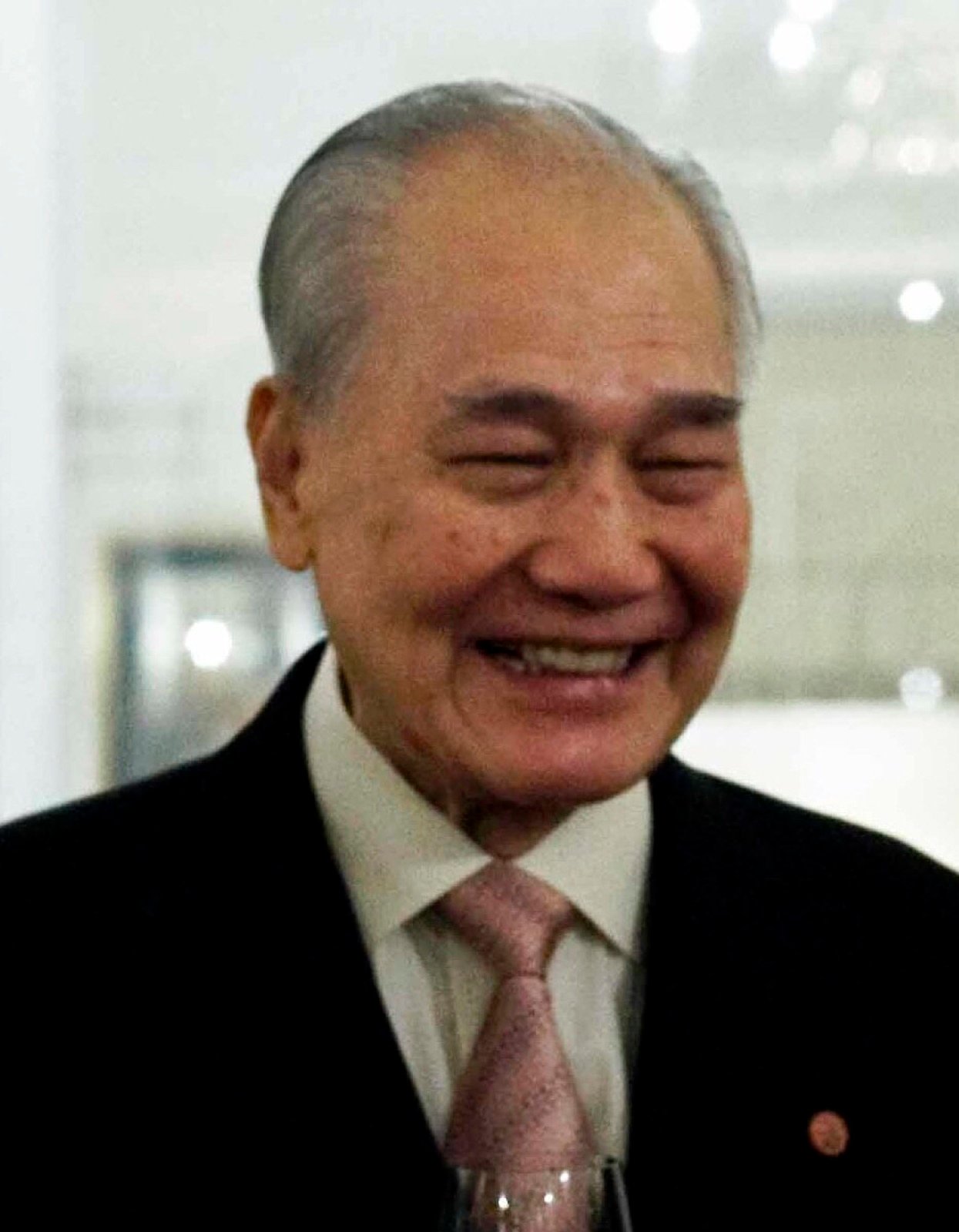
Former prime minister Anand Panyarachun at an official eventThailand · Politics

1932—

Anand Panyarachun

Diplomat, business executive and former prime ministerA career diplomat and business leader who headed two appointed governments in 1991 and 1992 and later chaired major national and United Nations reform work.Read biography

Quick answers

Thai political history FAQs

What are the major turning points in modern Thai politics?
This collection centres on the 1932 constitutional revolution, Cold War military rule, the 1973 uprising, democratic transition around 1992, the 1997 financial crisis and the electoral conflicts after 2001.
Why are both monarchs and military leaders included?
Thai political authority has been shaped by interaction among the monarchy, armed forces, bureaucracy, courts, parties and popular movements. A single institutional viewpoint cannot explain the transitions.
Who founded Thailand’s constitutional system?
The People’s Party ended absolute monarchy in 1932. Pridi Banomyong was a leading civilian organiser and constitutional thinker, but the new order was made by a coalition and quickly became internally contested.
How did the 1997 crisis change Thai politics?
Economic collapse weakened established coalitions and increased demand for visible national policy. Thaksin’s later electoral success built partly on that opening, while also producing new conflicts over executive power and accountability.
Is this collection politically neutral?
It is not a claim that all interpretations are equivalent. It distinguishes documented events from disputed interpretations, attributes evaluative claims and includes both institutional achievement and evidence of coercion or failure.