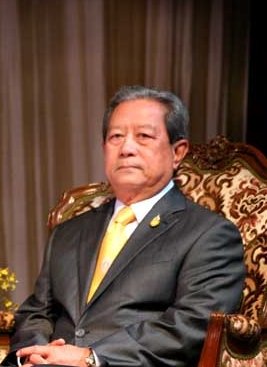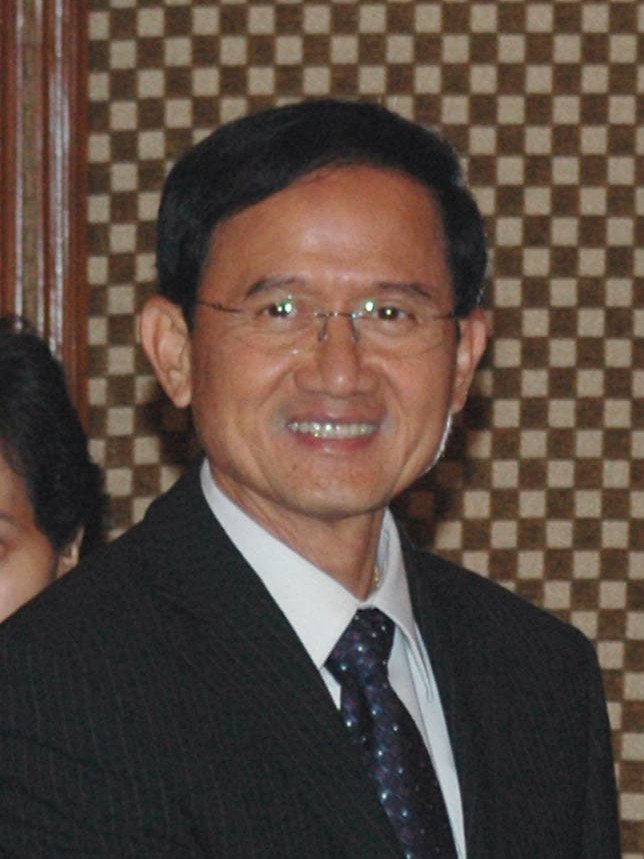
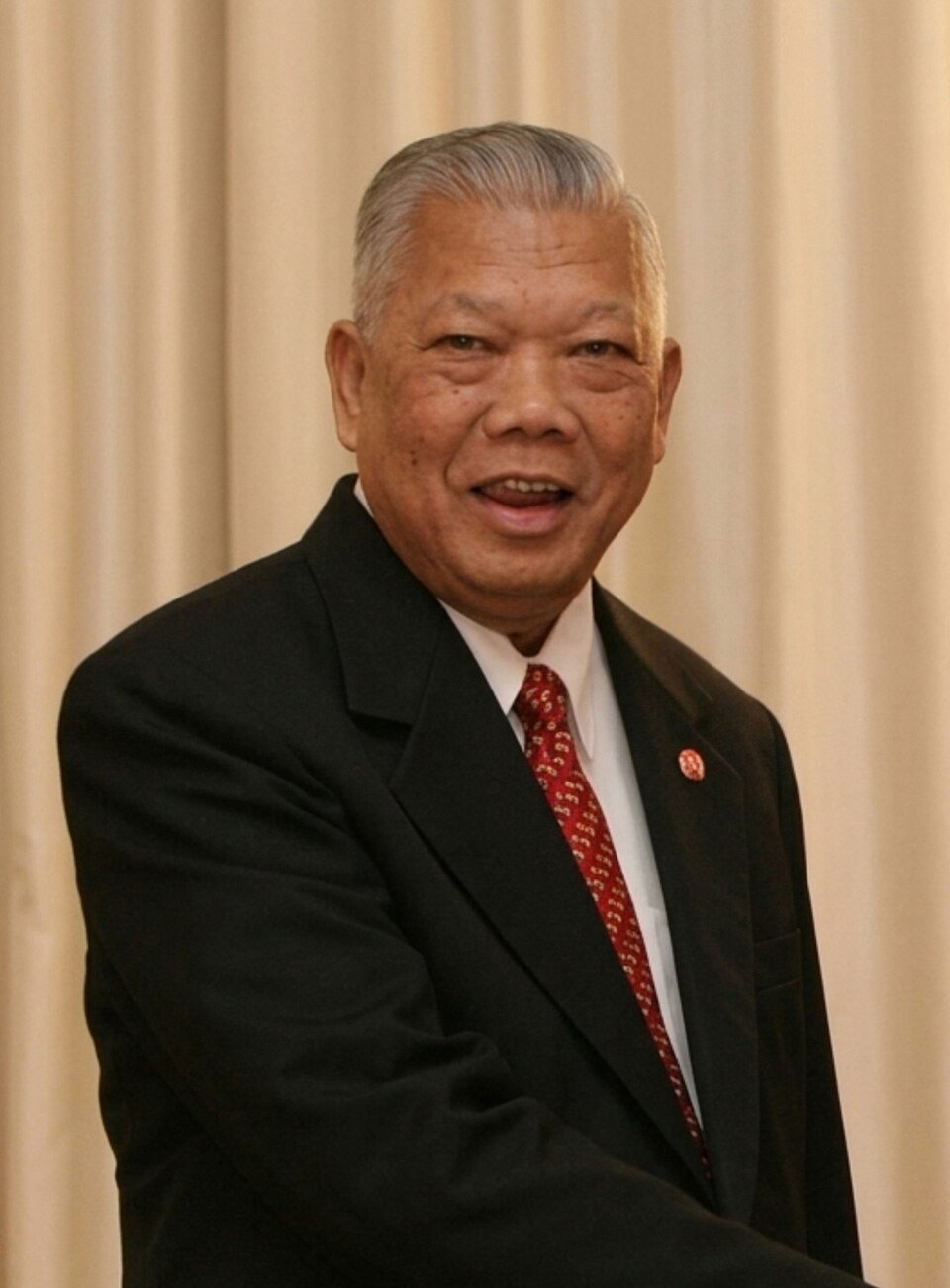
In this biography
Quick facts
- Born
- 13 June 1935
- Died
- 24 November 2009
- Birthplace
- Bangkok, Thailand
- Country
- Thailand
- Nationality
- Thai
- Known for
- Leading the first elected government after the 2006 coup and losing office over paid television work
- Office
- 25th Prime Minister, 29 January – 9 September 2008
- Election base
- People Power Party won 233 of 480 House seats in 2007
- Earlier office
- Governor of Bangkok, 2000–2004
- Exit from office
- Constitutional Court ruling on paid television appearances
Why this life matters
Samak’s short government restored an elected cabinet but also revealed how Thailand’s post-coup constitution, street mobilisation and judicial power could rapidly overturn a parliamentary majority.
Timeline
Key moments
Born in Bangkok
Born on 13 June and later studied law before entering party politics.
Rose through the Democrat Party
Became an MP and a prominent anti-communist voice during a deeply polarised era.
Founded the Thai Citizens Party
Built an urban electoral base and went on to hold several cabinet portfolios.
Served as Bangkok governor
Won a direct citywide election after decades in national politics.
Led the People Power Party
Took charge of the principal party representing the electoral network displaced by the 2006 coup.
Became the 25th prime minister
Formed a six-party coalition after the PPP won the largest bloc in the House.
Lost office after a court ruling
The Constitutional Court found his compensated television work incompatible with ministerial office.
Died in Bangkok
Died of liver cancer on 24 November at the age of 74.
A combative career across four decades
Samak Sundaravej was born in Bangkok on 13 June 1935, studied law and entered politics through the Democrat Party in the late 1960s. He became known for a forceful speaking style, staunch royalism and fierce anti-communism at a time when the Cold War divided Thai public life.
His role in the polarised atmosphere around the 6 October 1976 massacre remains a central controversy. Samak used radio and public speeches against the student left, then served as interior minister in the conservative government installed after the coup. He later rejected claims of responsibility and disputed the documented death toll. A responsible account distinguishes those denials from the wider historical record rather than presenting either as settled exoneration.
Party founder, minister and Bangkok governor
Samak left the Democrats and founded the Thai Citizens Party in 1979. The party became a strong force in Bangkok, while he held transport and interior portfolios in several coalition governments. His durability rested less on a single ideology than on a recognisable populist style, party organisation and a loyal urban audience.
Outside parliament, cooking became part of his public persona. He wrote and presented food programmes that mixed recipes, travel and political commentary. In 2000 he won election as governor of Bangkok and served a four-year term, giving him executive experience and a citywide mandate before his return to national office.
The first elected government after the coup
After the military dissolved Thai Rak Thai and barred its executive members, Thaksin-aligned politicians reorganised around the People Power Party. Samak became party leader in 2007 and openly positioned the PPP as heir to the electoral programme removed in the coup. The party won 233 of 480 seats in the December election and built a six-party coalition controlling 315 seats.
The House selected Samak in January 2008. His victory ended nearly seventeen months of government created by the coup authorities, but it did not end the conflict over Thaksin. Opponents described Samak as a proxy; supporters argued that the election had restored the voters’ decision. Thaksin returned to Thailand in February, further intensifying that dispute.
Street opposition and constitutional litigation
The People’s Alliance for Democracy resumed mass protest in May. Demonstrators opposed constitutional amendments, accused the government of serving Thaksin and occupied Government House in August. Pro-government mobilisation produced clashes, while legal challenges moved through institutions created or strengthened during the post-coup transition.
A separate case concerned Samak’s continued appearances on two commercial cooking programmes after taking office. The Constitutional Court interpreted the constitutional ban on a minister being an employee broadly. It found that his agreement with the production company and receipt of compensation violated section 267, terminating his individual ministerial office and causing the cabinet to leave office collectively while remaining as caretaker.
Why the cooking-show ruling mattered
The judgment on 9 September did not convict Samak of corruption or criminal conduct. It enforced a conflict-of-interest rule designed to prevent outside employment. The legal distinction is important, even though the modest television work appeared disproportionate to the political consequence of removing a prime minister.
PPP legislators initially considered returning Samak, then selected Somchai Wongsawat instead. Samak resigned the party leadership and withdrew from front-line politics. He died of liver cancer on 24 November 2009. His legacy joins an unusually broad electoral career to unresolved arguments about the violence of 1976 and the reach of judicial intervention after the 2006 coup.
Quick answers
Frequently asked questions about Samak Sundaravej
- Who was Samak Sundaravej?
- Samak Sundaravej was the 25th Prime Minister of Thailand, January–September 2008. Samak’s short government restored an elected cabinet but also revealed how Thailand’s post-coup constitution, street mobilisation and judicial power could rapidly overturn a parliamentary majority.
- What is Samak Sundaravej best known for?
- Samak Sundaravej is best known for leading the first elected government after the 2006 coup and losing office over paid television work.
- When and where was Samak Sundaravej born?
- Samak Sundaravej was born on 13 June 1935 in Bangkok, Thailand.
- When did Samak Sundaravej die?
- Samak Sundaravej died on 24 November 2009.
Sources and further reading
How this biography was checked
Core dates and offices are checked against the sources below. This profile was last reviewed on 3 October 2026.
- Secretariat of the Prime Minister of ThailandDirectory of Prime Ministers of Thailand
- Inter-Parliamentary UnionThailand House election, December 2007
- Constitutional Court of ThailandConstitutional Court Ruling No. 12–13/2551
- Inter-Parliamentary UnionThailand House election background, 2011
- National Human Rights Commission of ThailandFinal Report of the Truth for Reconciliation Commission
- The GuardianSamak Sundaravej obituary
- Wikimedia CommonsPortrait and licence record