In this biography
Quick facts
- Born
- 21 June 1967
- Birthplace
- San Kamphaeng, Chiang Mai, Thailand
- Country
- Thailand
- Nationality
- Thai
- Known for
- Becoming Thailand’s first woman prime minister
- Office
- Prime Minister, 2011–2014
- Historic first
- First woman prime minister of Thailand
- Political party
- Pheu Thai Party
- Earlier career
- Telecommunications and property executive
Why this life matters
Yingluck’s premiership combined a historic breakthrough for women with redistributive policy, mass protest and another decisive institutional rupture in Thai politics.
Timeline
Key moments
Pheu Thai election victory
Won 265 House seats in July; Yingluck was chosen premier in August.
Removed as caretaker premier
The 7 May Constitutional Court decision preceded the military takeover.
Rice-pledging conviction
Received a five-year sentence in absentia after leaving Thailand.
Acquitted in separate cases
Personnel-transfer and promotional-roadshow proceedings did not overturn the rice conviction.
Administrative compensation ruling
Liability was assessed at about 10.03 billion baht.
Reopening request rejected
A report dated 23 September records the compensation case’s retrial refusal.
The 2011 election and Thailand’s first woman premier
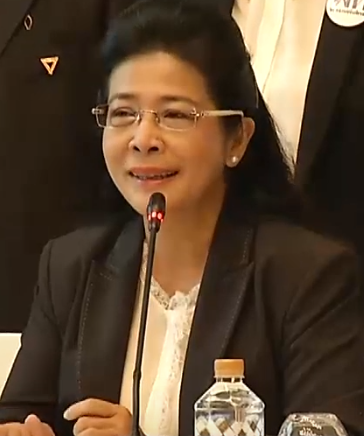
Yingluck Shinawatra became Thailand’s first woman prime minister in 2011. Her earlier career was in telecommunications and property rather than elected office. She entered national politics as the youngest sister of former premier Thaksin Shinawatra, whose removal in the 2006 coup remained central to the country’s political divisions.
Pheu Thai won 265 of the House’s 500 seats in the 3 July 2011 election, according to the Inter-Parliamentary Union. The House chose Yingluck as prime minister on 5 August, and she formed a six-party coalition with 300 seats. Those stages distinguish the voters’ choice of representatives from the parliamentary selection of the premier. They also explain why her administration began with a substantial legislative majority.
What her government promised to change
The policy statement delivered to the National Assembly on 23 August 2011 emphasised reconciliation, household purchasing power and access to services. It proposed daily earnings of at least 300 baht for workers, higher incomes for degree holders, debt relief for small farmers and support for village funds. School tablets and changes to corporate taxation were also part of its programme.
Agricultural support became its most consequential dispute. The rice-pledging programme purchased rice at prices above the market, with public stocks intended to support farmers and influence prices. That exposed the state to storage costs, sales difficulties and losses. The policy statement documents announced intentions; it does not establish that every promise was implemented successfully or that benefits and costs were distributed evenly.
A court removal before the military coup
On 7 May 2014, the Constitutional Court removed Yingluck as caretaker prime minister over the 2011 transfer of National Security Council chief Thawil Pliensri. Nine ministers involved in that decision also lost office. Other cabinet members remained, and Deputy Prime Minister Niwatthamrong Boonsongpaisan became caretaker premier.
This ruling preceded the military takeover later that month. Treating the court decision and coup as one event obscures who was still governing and which institution exercised power at each stage. The constitutional case also concerned a personnel transfer, not a criminal verdict on the rice programme. Different proceedings would later revisit aspects of her administration under different legal standards.
Criminal proceedings did not all produce the same result
Yingluck left Thailand in 2017 before the rice-pledging verdict and received a five-year prison sentence in absentia for negligence. She and her supporters denied wrongdoing and described the prosecution as politically motivated. That conviction must be distinguished from allegations that she personally received corrupt payments.
Other cases ended differently. The Supreme Court acquitted her in December 2023 over the personnel transfer, and in March 2024 over spending on a promotional roadshow. The latter concerned a separate project, not the rice programme. Those acquittals did not automatically cancel the 2017 sentence, just as the earlier constitutional removal was not itself a criminal conviction.
The separate rice-compensation proceedings
In May 2025, the Supreme Administrative Court held Yingluck liable for about 10.03 billion baht in rice-programme losses, replacing the earlier 35.7-billion-baht assessment. She disputed responsibility. This concerned financial compensation under an administrative order, not a new prison sentence or a finding that every baht of the programme’s losses was her personal liability.
The Nation reported on 23 September 2026 that the court upheld the refusal to reopen that compensation case. The proposed new evidence concerned a different order involving other officials; her lawyers disputed the reasoning. This dated update records the outcome of that application only. It should not be read as a fresh decision on all her cases or a prediction about any eventual return to Thailand.
Quick answers
Frequently asked questions about Yingluck Shinawatra
- How did Yingluck become prime minister?
- Pheu Thai won 265 of 500 House seats in July 2011. The House selected her on 5 August, and she formed a six-party coalition.
- Was Yingluck removed by the court or the army?
- The Constitutional Court removed her on 7 May 2014 over a personnel transfer. The military takeover followed later that month; these were separate events.
- Did her later acquittals cancel the rice conviction?
- No. The December 2023 personnel-transfer and March 2024 roadshow acquittals concerned different cases from the 2017 rice-pledging conviction.
- What happened in the compensation case in September 2026?
- The Nation reported on 23 September that the court upheld refusal to reopen the case, leaving approximately 10.03 billion baht in liability unchanged. This was a compensation proceeding, not a new prison sentence.
Keep exploring
Lives connected to this story
- Chadchart Sittipunt
Read the transport minister from her administration who later won Bangkok elections as an independent.
- Thaksin Shinawatra
Understand the family relationship and political movement behind the 2011 campaign.
- Abhisit Vejjajiva
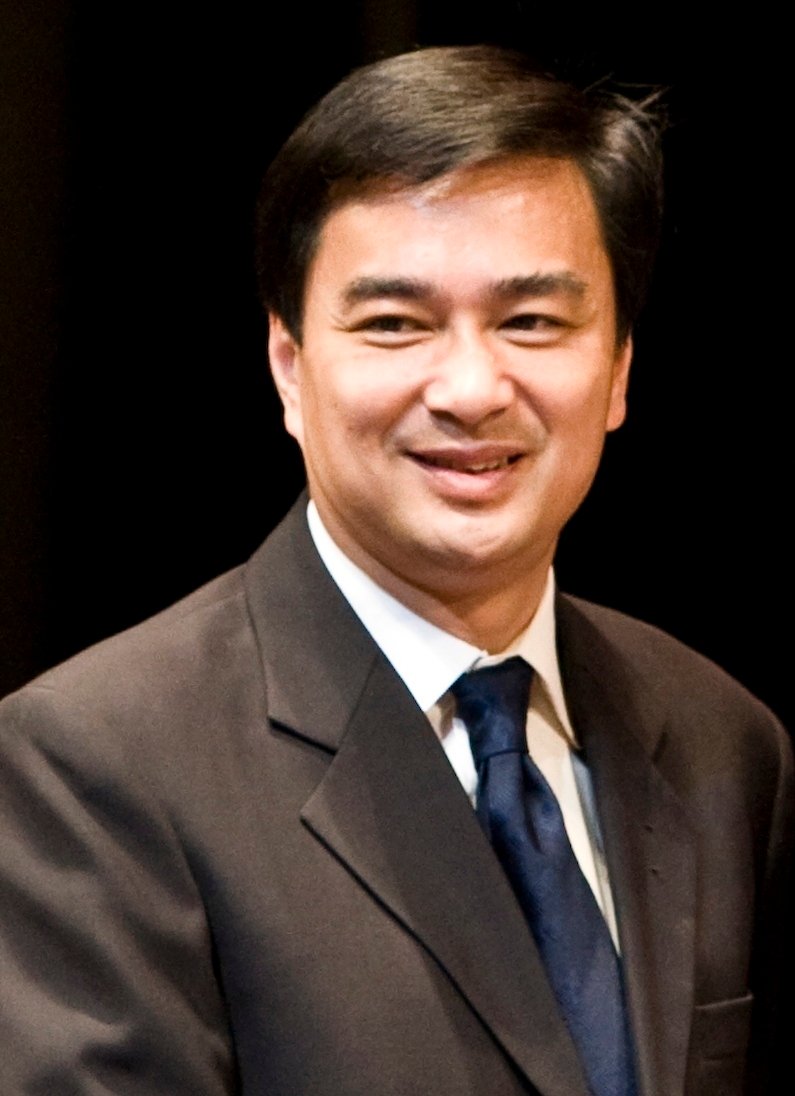
Read about the prime minister whose party lost the 2011 election.
- Prayut Chan-o-cha
Follow the military leadership and political order after the 2014 takeover.
Sources and further reading
Explore the evidence
These references support the biography and offer further reading. Official records, first-person accounts and independent reporting provide different perspectives; image records document attribution and licensing.
- 1. Thailand Board of InvestmentPolicy Statement of the Council of Ministers
The relevant policy passages were read as extracted text. An announced wage, education or agricultural policy is not evidence of successful implementation; full PDF inspection is not claimed.
- 2. Al JazeeraProfile: Yingluck Shinawatra
- 3. Associated PressYingluck ordered to compensate rice-scheme losses
- 4. The Nation ThailandSupreme Administrative Court rejects Yingluck retrial bid
This is a dated news account of the 23 September 2026 compensation-reopening decision, not a separately inspected court judgment. Its findings and the lawyers’ objections are attributed, and are not merged with criminal or constitutional cases.
- 5. Wikimedia CommonsPortrait and licence record
- 6. Inter-Parliamentary UnionThailand’s 2011 House election: results and government formation
The parliamentary archive supplies the actual 265-seat result. The older news profile carries inconsistent election numbers and is used only for the brief business background.
- 7. CSIS / Murray Hiebert and Phuong NguyenConstitutional Court removal and caretaker succession, 8 May 2014
- 8. Associated PressSeparate roadshow acquittal and earlier case outcomes, 4 March 2024