In this biography
Quick facts
- Born
- 17 December 1917
- Died
- 23 December 2003
- Birthplace
- Samut Sakhon, Thailand
- Country
- Thailand
- Nationality
- Thai
- Known for
- Leading Thailand from the 1977 coup through the 1978 constitution and 1979 election
- Prime minister
- 11 November 1977 – 3 March 1980
- Military rank
- General
- Constitution
- Promulgated 22 December 1978
- General election
- 22 April 1979
Why this life matters
Kriangsak’s premiership was born from a coup yet reopened electoral politics, making it a pivotal bridge between authoritarian closure in 1976 and Prem’s longer parliamentary-military order.
Timeline
Key moments
Born in Samut Sakhon
Born on 17 December near Mahachai and later entered a professional military career.
Built an army career
Graduated from Chulachomklao Royal Military Academy, served during the Second World War and commanded Thai troops in the Korean War.
Served in the coup-created military council
Became a senior figure around Thanin Kraivichien’s appointed government while friction between the cabinet and armed forces increased.
Helped remove Thanin’s government
Appeared with the military leadership after troops surrounded Government House and the Revolutionary Party announced the cabinet’s dismissal.
Became prime minister
Received appointment three weeks after the coup and led a military-backed but less restrictive government.
Amnesty and a new constitution
An amnesty ended the trial of detained 6 October defendants, and a constitution promulgated in December set elections for 1979.
Held a general election
An elected House returned, while an appointed Senate and transitional rules preserved substantial military leverage.
Resigned under economic and parliamentary pressure
Stepped down after energy-price increases, demonstrations and declining military support made a confidence confrontation likely.
Died in Bangkok
Died on 23 December, six days after his 86th birthday.
A staff officer who moved toward the centre of power
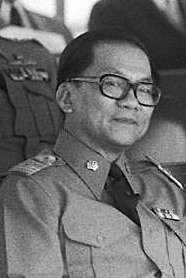
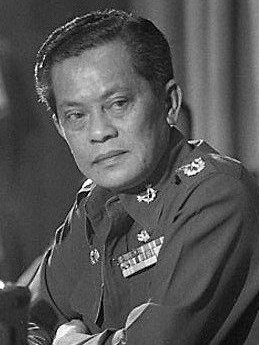
Kriangsak Chamanan was born in Samut Sakhon in 1917 and trained at Chulachomklao Royal Military Academy. His career included wartime service, command of a Thai infantry battalion during the Korean War and further staff education in Thailand and the United States. By the 1970s he had risen through senior planning and command positions to become deputy supreme commander and then supreme commander of the armed forces.
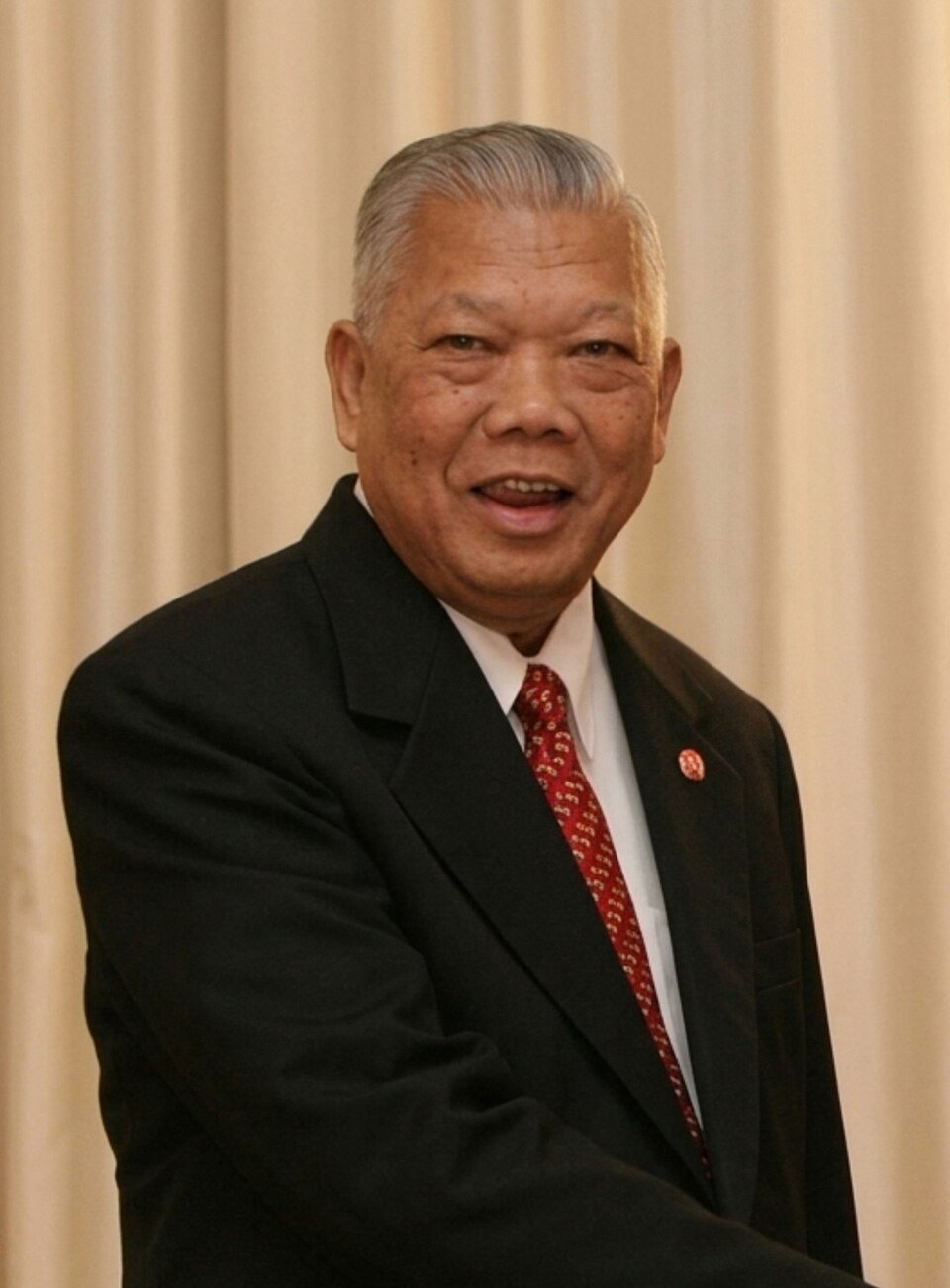
The 6 October 1976 coup placed Admiral Sangat Chaloryu’s military council over an appointed civilian cabinet led by Thanin Kraivichien. Kriangsak served within that security structure, but Thanin’s rigid anti-communism, press controls and prolonged transition timetable increasingly divided the cabinet from its military sponsors. By September 1977, contemporary diplomatic reporting identified Kriangsak as the most likely successor.
The 20 October coup and a different authoritarian strategy
On 20 October, the armed forces went on alert, troops and a tank moved to Government House, and Thanin’s cabinet was informed that it had been dismissed. Radio Thailand announced that a Revolutionary Party led by Sangat had taken power. Kriangsak appeared on television that evening with the service commanders and became prime minister on 11 November.
The new government still rested on military intervention rather than an election, but it reversed important parts of Thanin’s approach. It relaxed press restrictions, shortened the promised transition and supported an amnesty that released defendants being tried after the Thammasat violence. The amnesty ended their prosecution but also prevented the central trial from establishing responsibility for the massacre.
Constitutional reopening, election and regional danger
A new constitution was promulgated on 22 December 1978, and a general election followed on 22 April 1979. The elected House returned party competition, while the appointed Senate and transitional provisions left the armed forces with substantial institutional influence. Kriangsak did not stand for election but continued as prime minister with legislative support under the new arrangement.
Foreign and security policy became more urgent after Vietnam invaded Cambodia at the end of 1978. Thailand faced border fighting, displaced people and a much larger refugee burden while balancing relations with China, the United States, ASEAN and Vietnam. Kriangsak publicly emphasised Thai sovereignty and neutrality, requested international assistance for refugees and strengthened defence without treating any external partner as entitled to dictate Thai policy.
Energy prices, resignation and the path to Prem
Domestic economic pressure weakened the government in 1979 and early 1980. Higher global energy costs contributed to shortages, inflation and a wider trade deficit. Kriangsak’s decision to raise petroleum prices was economically defensible but politically damaging, producing protests from students, labour groups and opposition politicians while his parliamentary and military support eroded.
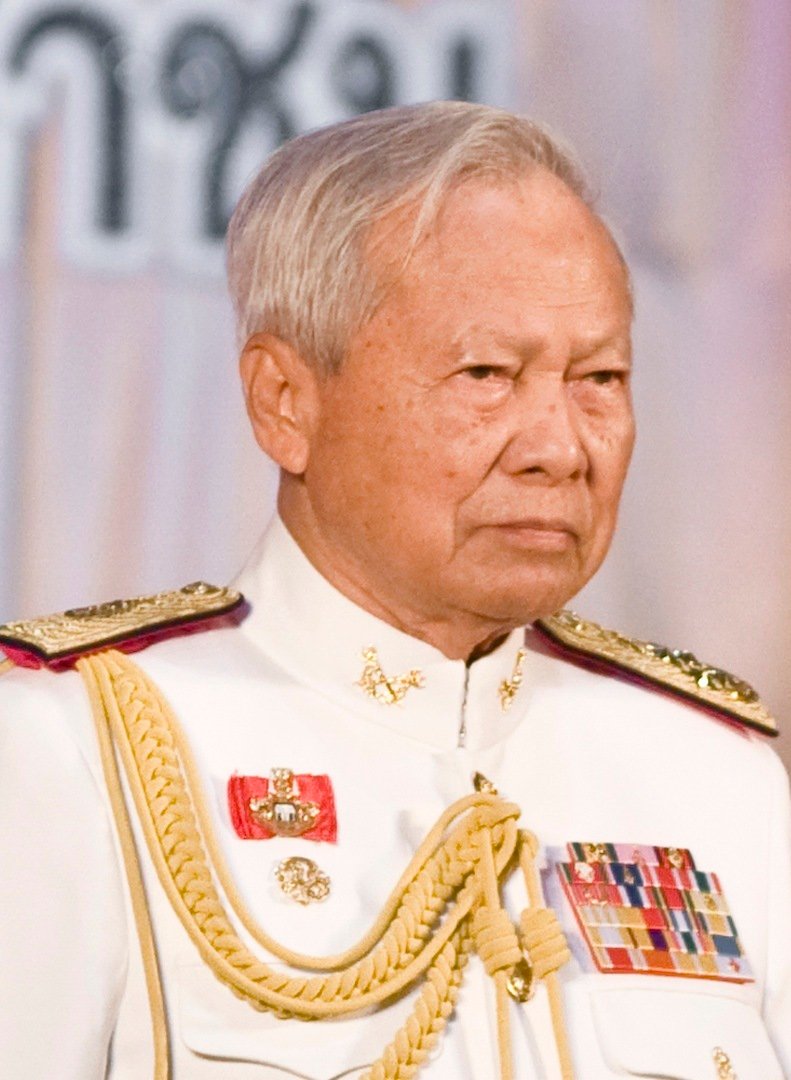
Rather than face a likely confidence crisis, Kriangsak resigned on 29 February 1980 and remained caretaker until Prem Tinsulanonda received appointment on 3 March. The transfer followed constitutional procedure and occurred without another coup. Kriangsak’s record is therefore deliberately mixed: he participated in military seizure of power, then reopened parts of the political system and handed office to a successor through parliamentary consensus.
Quick answers
Frequently asked questions about Kriangsak Chamanan
- Who was Kriangsak Chamanan?
- Kriangsak Chamanan was the 15th Prime Minister of Thailand and military officer. Kriangsak’s premiership was born from a coup yet reopened electoral politics, making it a pivotal bridge between authoritarian closure in 1976 and Prem’s longer parliamentary-military order.
- What is Kriangsak Chamanan best known for?
- Kriangsak Chamanan is best known for leading Thailand from the 1977 coup through the 1978 constitution and 1979 election.
- When and where was Kriangsak Chamanan born?
- Kriangsak Chamanan was born on 17 December 1917 in Samut Sakhon, Thailand.
- When did Kriangsak Chamanan die?
- Kriangsak Chamanan died on 23 December 2003.
Sources and further reading
How this biography was checked
Core dates and offices are checked against the sources below. This profile was last reviewed on 3 October 2026.
- Secretariat of the Prime Minister of ThailandDirectory of Prime Ministers of Thailand
- Office of the Historian, U.S. Department of StateTelegram recording the 20 October 1977 coup
- Office of the Historian, U.S. Department of StateKriangsak’s resignation and the next Thai government
- United Nations Digital LibraryThailand human-rights and constitutional chronology, 1977–1978
- Inter-Parliamentary UnionThailand general election, 22 April 1979
- Wikimedia CommonsKriangsak Chamanan portrait and CC BY 2.0 licence record