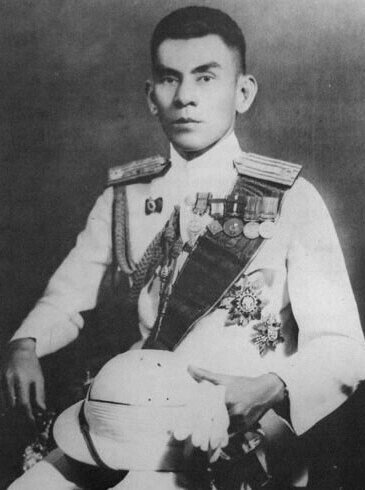
In this biography
Quick facts
- Born
- 21 November 1901
- Died
- 3 December 1988
- Birthplace
- Hua Ro, Ayutthaya, Siam
- Country
- Thailand
- Nationality
- Thai
- Known for
- Leading Thailand’s final civilian government before the November 1947 coup
- Birth name
- Thawan Tharisawat
- Political generation
- People’s Party member, 1932
- Prime minister
- 23 August 1946 – 8 November 1947
- Service branch
- Royal Thai Navy
Why this life matters
Thawan’s premiership marks the closing phase of postwar civilian ascendancy and the return of decisive army intervention in Thai national politics.
Timeline
Key moments
Born in Ayutthaya
Born Thawan Tharisawat on 21 November to a merchant family in Hua Ro.
Trained as a naval officer
Entered naval school after brief teacher training and graduated as an ensign.
Joined the constitutional revolution
Participated in the People’s Party operation that replaced absolute monarchy with constitutional government.
Entered the cabinet
Began a long ministerial career under Phraya Phahon’s government.
Joined the mission to Lausanne
Helped invite the young Ananda Mahidol to accept the throne after Prajadhipok’s abdication.
Held senior civil offices
Served as interior and justice minister and, from 1940, secretary-general of the cabinet.
Became prime minister
Succeeded Pridi Banomyong and formed a coalition government during the difficult postwar transition.
Thailand entered the United Nations
His government completed the diplomatic process that made Thailand a UN member on 16 December.
Removed by military coup
Army officers overthrew his second cabinet and restored military control over the political transition.
Died in Bangkok
Died at Phramongkutklao Hospital on 3 December at the age of eighty-seven.
Cabinet office and a royal succession mission
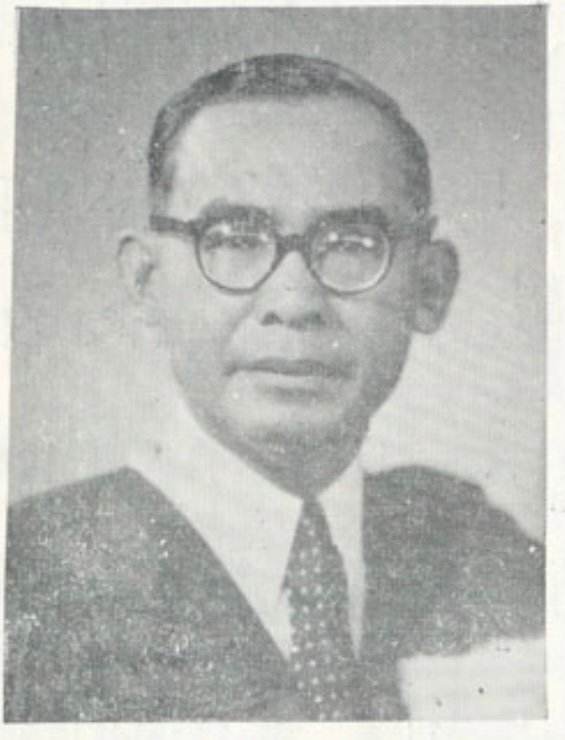
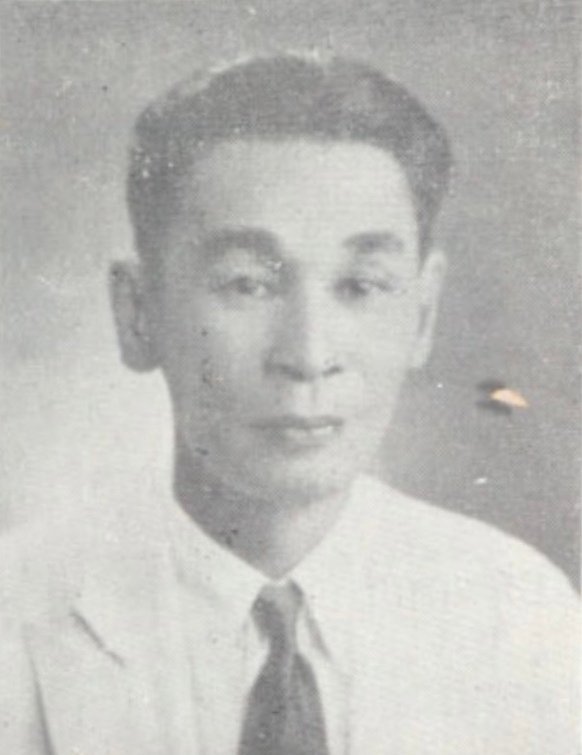
When King Prajadhipok abdicated in 1935, Thawan and Direk Jayanama travelled to Lausanne as part of the delegation inviting the young Prince Ananda Mahidol to accept the throne. The assignment placed a People’s Party officer inside a sensitive negotiation between the new political order and the monarchy. Parliament confirmed Ananda’s accession in March, while regents acted during the young king’s residence abroad.
Thawan then held major administrative roles, including interior minister, justice minister and secretary-general of the cabinet. His speeches earned him a reputation for controlled, persuasive argument. Service under both Phraya Phahon and Phibun also shows the institutional breadth—and compromises—of the People’s Party generation: naval, civilian and army factions shared office even as their alliances changed.
Prime minister in a fragile postwar order
Pridi resigned as prime minister in August 1946 amid political pressure following King Ananda’s unexplained death. Parliament selected Thawan on 23 August. His coalition rested on the Constitutional Front, the Sahachip Party and supportive independents, while the Democrat Party formed an energetic opposition. Thailand was simultaneously dealing with inflation, shortages, demobilisation, diplomatic normalisation and accusations of corruption.
The government achieved Thailand’s admission to the United Nations on 16 December 1946 and tried to restore ordinary international relations after the wartime alliance with Japan. At home, however, confidence was harder to rebuild. A prolonged parliamentary debate in May 1947 forced Thawan to defend his cabinet for days. Although the government survived, he resigned and formed a second cabinet on 30 May, leaving the underlying contest between elected authority and armed factions unresolved.
The 1947 coup, exile and historical place
On the night of 8 November 1947, the Coup Group led by Phin Choonhavan seized strategic points and overthrew Thawan’s government. The navy helped him, Pridi and several associates evade arrest. Thawan moved through naval protection to temporary exile in Hong Kong and China while the coup leaders installed Khuang Aphaiwong and later returned Phibun to office. The change closed the short postwar period in which Pridi’s civilian coalition had controlled the cabinet.
Thawan returned to Thailand in October 1949 but never again held comparable power. He lived for another four decades and died in Bangkok in 1988. His premiership is sometimes reduced to the weaknesses the coup makers used to justify intervention. A fuller assessment also records a functioning parliamentary opposition, a government that survived debate, the completion of UN membership and an elected order destroyed by force rather than replaced through an election.
Quick answers
Frequently asked questions about Thawan Thamrongnawasawat
- Who was Thawan Thamrongnawasawat?
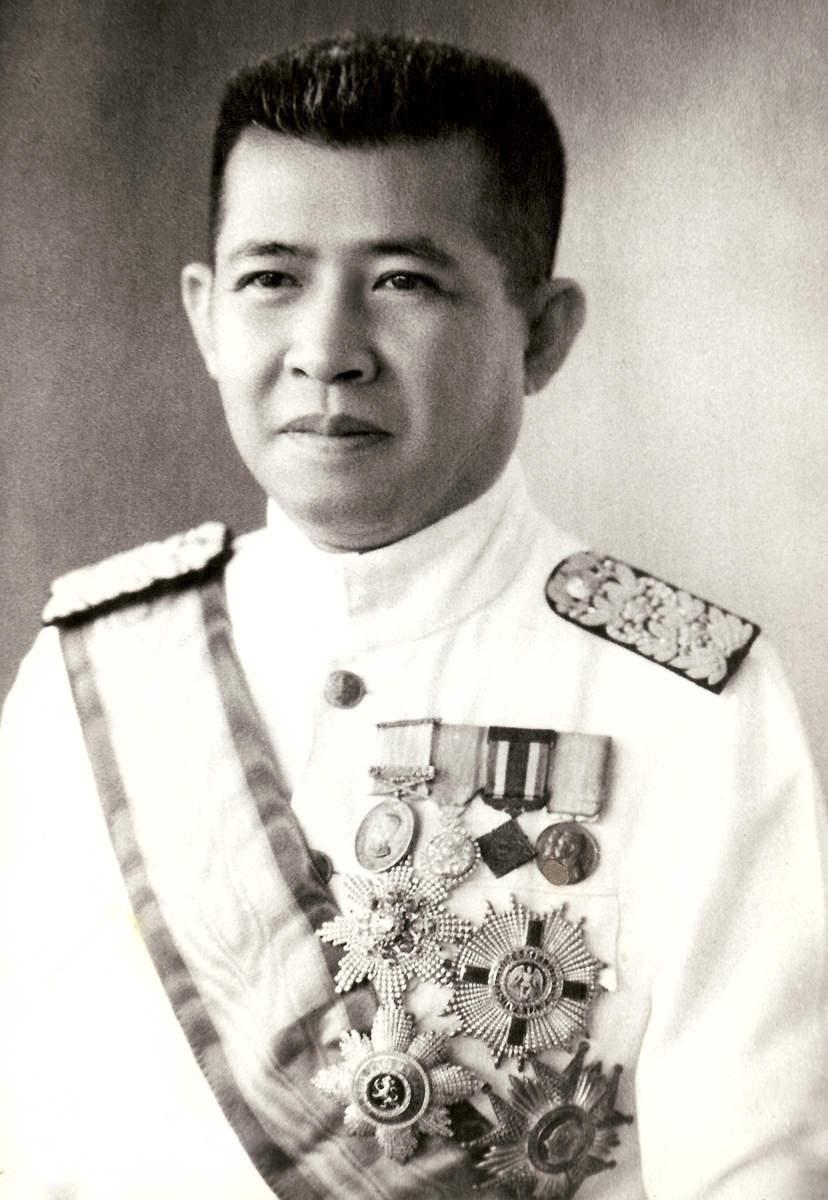
- Thawan Thamrongnawasawat was the 8th Prime Minister of Thailand and naval officer. Thawan’s premiership marks the closing phase of postwar civilian ascendancy and the return of decisive army intervention in Thai national politics.
- What is Thawan Thamrongnawasawat best known for?
- Thawan Thamrongnawasawat is best known for leading Thailand’s final civilian government before the November 1947 coup.
- When and where was Thawan Thamrongnawasawat born?
- Thawan Thamrongnawasawat was born on 21 November 1901 in Hua Ro, Ayutthaya, Siam.
- When did Thawan Thamrongnawasawat die?
- Thawan Thamrongnawasawat died on 3 December 1988.
Sources and further reading
How this biography was checked
Core dates and offices are checked against the sources below. This profile was last reviewed on 3 October 2026.
- Pridi Banomyong InstituteThawan Thamrongnawasawat: the “golden-tongued” prime minister
- Secretariat of the Cabinet of ThailandOfficial chronology of Thai prime-ministerial cabinets
- Secretariat of the Cabinet of ThailandChronology of the seventeenth cabinet
- Ministry of Foreign Affairs of ThailandNames of Past Foreign Ministers
- Library of CongressThailand: A Country Study
- Ministry of Foreign Affairs of ThailandThe Quest for Thai–US Alliance
- Wikimedia CommonsThawan Thamrongnawasawat portrait and public-domain record