In this biography
Quick facts
- Born
- 5 April 1920
- Died
- 6 May 1998
- Birthplace
- Bangkok, Siam
- Country
- Thailand
- Nationality
- Thai
- Known for
- The “battlefields into marketplaces” policy and a government ended by the 1991 coup
- Party leadership
- Chart Thai Party, 1986–1991
- Prime minister
- 4 August 1988 – 23 February 1991
- Foreign policy
- “Battlefields into marketplaces”
- Removal
- 1991 National Peace Keeping Council coup
Why this life matters
Chatichai’s premiership strengthened parliamentary politicians and recast mainland Southeast Asia as an economic region, but its fall exposed how quickly military command could still override an elected coalition.
Timeline
Key moments
Born in Bangkok
Born on 5 April into a military and political family.
Served as an army officer and military diplomat
Worked in cavalry and overseas assignments before moving into a diplomatic career.
Returned to Thailand’s foreign ministry
Brought long overseas experience into senior political and diplomatic work.
Helped establish the Chart Thai Party
Entered electoral politics during the democratic opening that followed the 1973 uprising.
Served as foreign minister
Managed regional diplomacy during a period of rapid change in Indochina.
Became prime minister
Formed a parliamentary coalition after the July election and Prem Tinsulanonda’s departure.
Promoted regional economic engagement
Sought to turn Indochina from a battlefield into a marketplace as the Cold War receded.
Removed by military coup
The National Peace Keeping Council detained him, abolished the constitution and dissolved parliament.
Died in London
Died on 6 May after treatment for liver cancer, aged seventy-eight.
From military family to diplomatic career
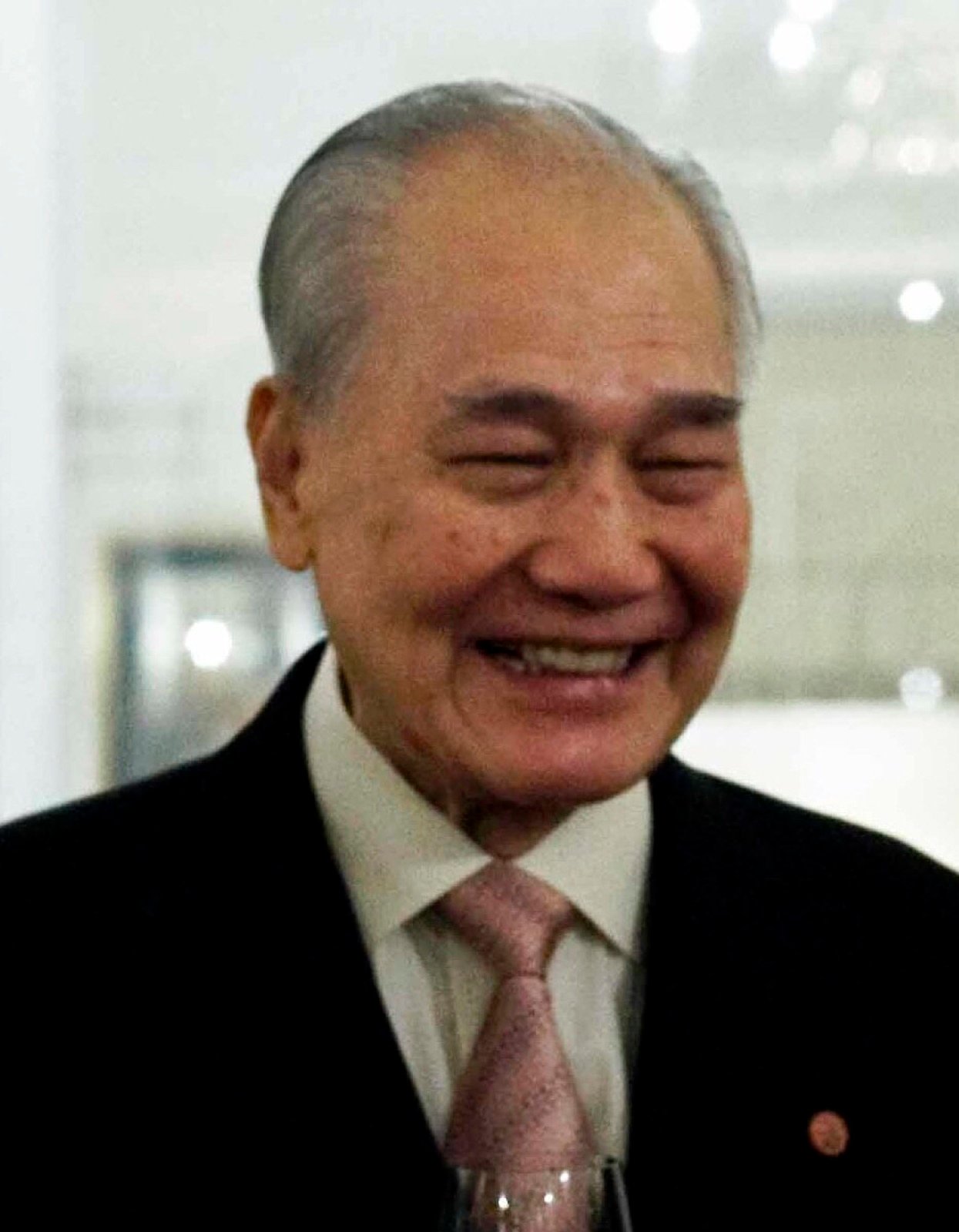
Chatichai Choonhavan was born in Bangkok on 5 April 1920. His father, Phin Choonhavan, became a powerful army officer and participant in the 1947 coup. Chatichai entered the military, trained as a cavalry officer and served in overseas posts before moving from the army into diplomacy.
Assignments in the Americas, Europe and international organisations gave him a broader regional outlook than his military origins might suggest. After returning to Bangkok, he entered politics during the competitive period opened by the 1973 uprising. He helped establish the Chart Thai Party and served as foreign minister and in several deputy-premier and cabinet roles.
The 1988 election and return of parliamentary leadership
Chatichai became Chart Thai leader in 1986. The party emerged strongest from the July 1988 election, and Prem Tinsulanonda declined an invitation to remain prime minister. Chatichai formed a multiparty coalition on 4 August, becoming the first elected politician in twelve years to lead the government.
The change mattered beyond a single officeholder. Prem’s eight years had combined parliamentary institutions with a prime minister drawn from the military and supported by palace and armed-forces networks. Chatichai transferred more cabinet authority and patronage to elected politicians, creating both a stronger parliamentary centre and sharper conflict with senior officers accustomed to influence over security and foreign affairs.
Economic boom and the politics of a coalition
Thailand grew rapidly during Chatichai’s premiership as investment, manufacturing and property development accelerated. His informal “no problem” style projected confidence in an economy increasingly integrated with Japan and neighbouring states. Infrastructure proposals and commercial networks expanded alongside a more assertive business role in policy.
The same coalition became notorious as the “buffet cabinet.” Opponents accused ministers of dividing state contracts and concessions as political spoils. Those allegations deserve scrutiny, but the slogan also served the military’s case for intervention. Coalition bargaining was treated not merely as a governance problem to be challenged through parliament and elections, but as proof that armed forces could replace the constitutional order.
Turning battlefields into marketplaces
Chatichai’s most durable policy shifted Thailand’s approach to Cambodia, Laos and Vietnam from Cold War confrontation toward trade and diplomatic engagement. His government argued that regional peace could be advanced by turning Indochina’s battlefields into marketplaces. Advisers, diplomats and business groups helped move economic opportunity above rigid ideological alignment.
The policy did not end the Cambodian conflict by itself, and military diplomacy under army commander Chavalit Yongchaiyudh also mattered. It nevertheless anticipated the commercial integration that followed the 1991 Paris Peace Agreements and Vietnam’s later entry into ASEAN. Thailand was presented less as a front-line anti-communist state and more as a hub linking mainland Southeast Asian markets.
The 1991 coup and an unfinished parliamentary turn
Tension rose as Chatichai reshuffled military-related portfolios and the new army leadership consolidated around Suchinda Kraprayoon’s graduating class. On 23 February 1991, the National Peace Keeping Council detained the prime minister, abolished the constitution and dissolved parliament. General Sunthorn Kongsompong formally headed the council, while Suchinda was one of its central figures.
Chatichai later returned to politics and led a new party, but never regained the premiership. He died in London on 6 May 1998. His legacy joins economic openness to constitutional fragility: an elected government helped reorient Southeast Asian diplomacy, yet accusations of corruption and civil–military conflict became the pretext for a coup whose attempted conversion into an unelected premiership produced Black May one year later.
Quick answers
Frequently asked questions about Chatichai Choonhavan
- Who was Chatichai Choonhavan?
- Chatichai Choonhavan was a diplomat, party leader and former prime minister. Chatichai’s premiership strengthened parliamentary politicians and recast mainland Southeast Asia as an economic region, but its fall exposed how quickly military command could still override an elected coalition.
- What is Chatichai Choonhavan best known for?
- Chatichai Choonhavan is best known for the “battlefields into marketplaces” policy and a government ended by the 1991 coup.
- When and where was Chatichai Choonhavan born?
- Chatichai Choonhavan was born on 5 April 1920 in Bangkok, Siam.
- When did Chatichai Choonhavan die?
- Chatichai Choonhavan died on 6 May 1998.
Sources and further reading
How this biography was checked
Core dates and offices are checked against the sources below. This profile was last reviewed on 3 October 2026.
- Secretariat of the Prime Minister of ThailandOfficial directory of prime ministers of Thailand
- Ministry of Foreign Affairs of ThailandBattlefield to Marketplace: Responses to Thailand’s Major Foreign Policy Change
- Southeast Asian Studies, Kyoto UniversityCoups in Thailand, 1980–1991
- Kasetsart Journal of Social SciencesHistorical Position of the Coup d’État on 23 February 1991
- The Washington PostChatichai Choonhavan, former Thai prime minister, dies
- Wikimedia CommonsChatichai Choonhavan photograph and licence record