In this biography
Quick facts
- Born
- 1910
- Died
- 29 May 1985
- Birthplace
- Thonburi, Siam
- Country
- Thailand
- Nationality
- Thai
- Known for
- Leading the failed naval coup of 29–30 June 1951
- Military branch
- Royal Thai Navy
- 1951 command
- Naval reserve force
- Political action
- Manhattan Rebellion leader
- Later work
- Merchant-ship captain
Why this life matters
Anon’s life connects the navy’s defeat in Thailand’s postwar power struggle to political exile, Mon resistance in Burma and the long aftermath of a failed coup.
Timeline
Key moments
Born in Thonburi
Born into a naval family on the western side of the Chao Phraya River.
Graduated from naval training
Studied at Bangkok Christian College before entering the Royal Thai Naval Academy and joining the line branch.
Commanded major naval vessels
Served in ship command and became commander of the navy’s reserve force.
Led the Manhattan Rebellion
Directed the naval group that seized Phibun and announced a replacement government by radio.
The rebellion collapsed
Army, police and air-force attacks defeated the rebels and destroyed the navy’s political position.
Lived with Mon forces in Burma
Escaped across the border and spent years inside the Mon nationalist movement.
Composed a Mon national-anthem melody
Thai academic research credits Anon with composing the melody later used for the Mon national anthem.
Returned to Thailand
Came back with his Mon wife, surrendered and relied on an amnesty while contesting the case.
Legal proceedings ended
The Supreme Court case concluded without a conviction after prosecution witnesses failed to appear.
Worked in commercial shipping
Declined to return to naval service and used his maritime training as a merchant-ship captain.
Died from cancer
Died on 29 May after a life shaped by service and exile.
Leading the Manhattan Rebellion
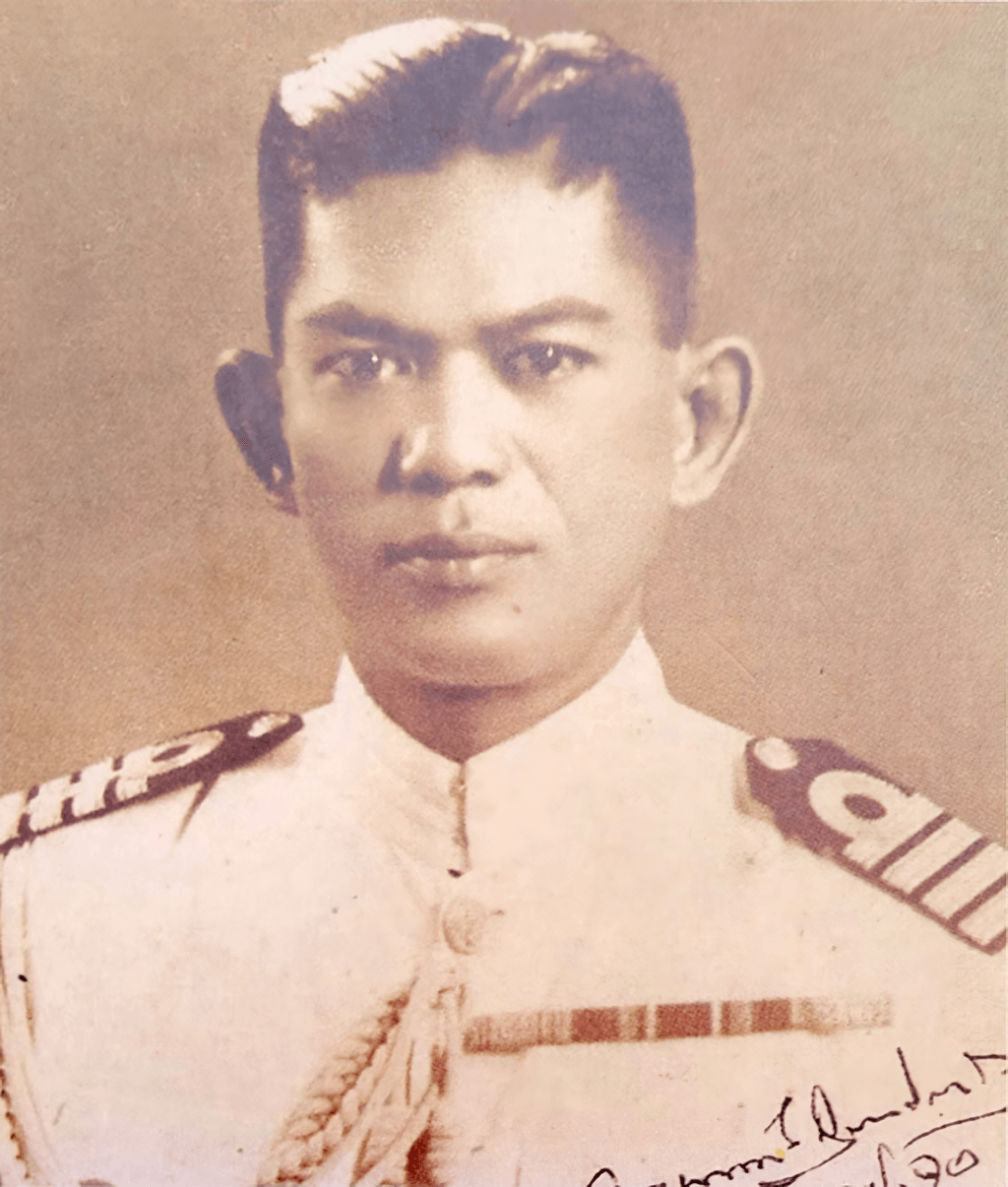
On 29 June 1951, Lieutenant Commander Manat Charupha and a small armed group seized Prime Minister Phibun during the formal transfer of the American dredger Manhattan. They moved him to HTMS Sri Ayudhya. Anon was identified in rebel broadcasts as the operation’s leader and directed naval units to support the takeover. The plotters announced a replacement government and believed that the hostage would force Phin, Phao, Sarit and Fuen to negotiate.
The calculation failed. Important naval and marine units did not join, the army and police remained united, and the air force attacked. Fighting spread across Bangkok and Thonburi; Sri Ayudhya burned and later sank. Phibun escaped by swimming ashore. The navy’s defeat was followed by arrests, dismissals, lost bases and the transfer or closure of aviation, marine and submarine capabilities. Anon’s attempt to restore naval influence instead helped end it as a major political counterweight.
Exile with the Mon movement
Anon escaped toward Burma with several other leaders. He spent years among Mon nationalist forces rather than in a conventional urban exile. Thai reporting based on later accounts describes military-camp life, a Mon nom de guerre and marriage to a Mon woman. The experience placed a Thai coup leader inside a different struggle over nationhood, armed organisation and minority rights in post-independence Burma.
Research from Thammasat University adds an unexpected cultural legacy: Anon composed the melody associated with the Mon national anthem. That contribution does not erase responsibility for initiating a violent coup, but it prevents his exile from being treated as an empty gap between defeat and return. He became part of the political and commemorative life of the community that sheltered him.
Return, civilian work and the meaning of defeat
Anon returned to Thailand in 1960 and surrendered, arguing that an earlier amnesty covered his case. Proceedings continued for years before ending in 1968 without a conviction after prosecution witnesses failed to appear. He did not resume naval service. Instead, he used his seamanship in commercial shipping and lived outside frontline politics until his death from cancer in 1985.
His biography is not evidence that the Manhattan rebels represented the whole navy or a unified democratic programme. Fewer than a dozen officers carried out the initial seizure, and many units stayed neutral. Anon nevertheless personifies the institutional grievance and political gamble behind the revolt. His defeat reveals how postwar power moved toward an army–police–air-force coalition, while his exile shows how failed coups could spill into the armed politics of neighbouring states.
Quick answers
Frequently asked questions about Anon Puntharikapha
- Who was Anon Puntharikapha?
- Anon Puntharikapha was a royal Thai Navy captain and leader of the Manhattan Rebellion. Anon’s life connects the navy’s defeat in Thailand’s postwar power struggle to political exile, Mon resistance in Burma and the long aftermath of a failed coup.
- What is Anon Puntharikapha best known for?
- Anon Puntharikapha is best known for leading the failed naval coup of 29–30 June 1951.
- When and where was Anon Puntharikapha born?
- Anon Puntharikapha was born in 1910 in Thonburi, Siam.
- When did Anon Puntharikapha die?
- Anon Puntharikapha died on 29 May 1985.
Sources and further reading
How this biography was checked
Core dates and offices are checked against the sources below. This profile was last reviewed on 3 October 2026.
- Royal Thai Naval AcademyDirectory of Royal Thai Naval Academy cadets and graduates
- Constitutional Court of ThailandThe Royal Thai Navy and the development of Thai democracy
- Ministry of Foreign Affairs of ThailandThe Quest for Thai–US Alliance
- Office of the Historian, U.S. Department of StateJuly 1951 assessment of the revolt and its consequences
- Thammasat University research repositoryMon nationalism and invented tradition in Burma and Thailand
- MatichonAnon Puntharikapha after the Manhattan Rebellion
- Wikimedia CommonsCaptain Anon Puntharikapha portrait and licence record