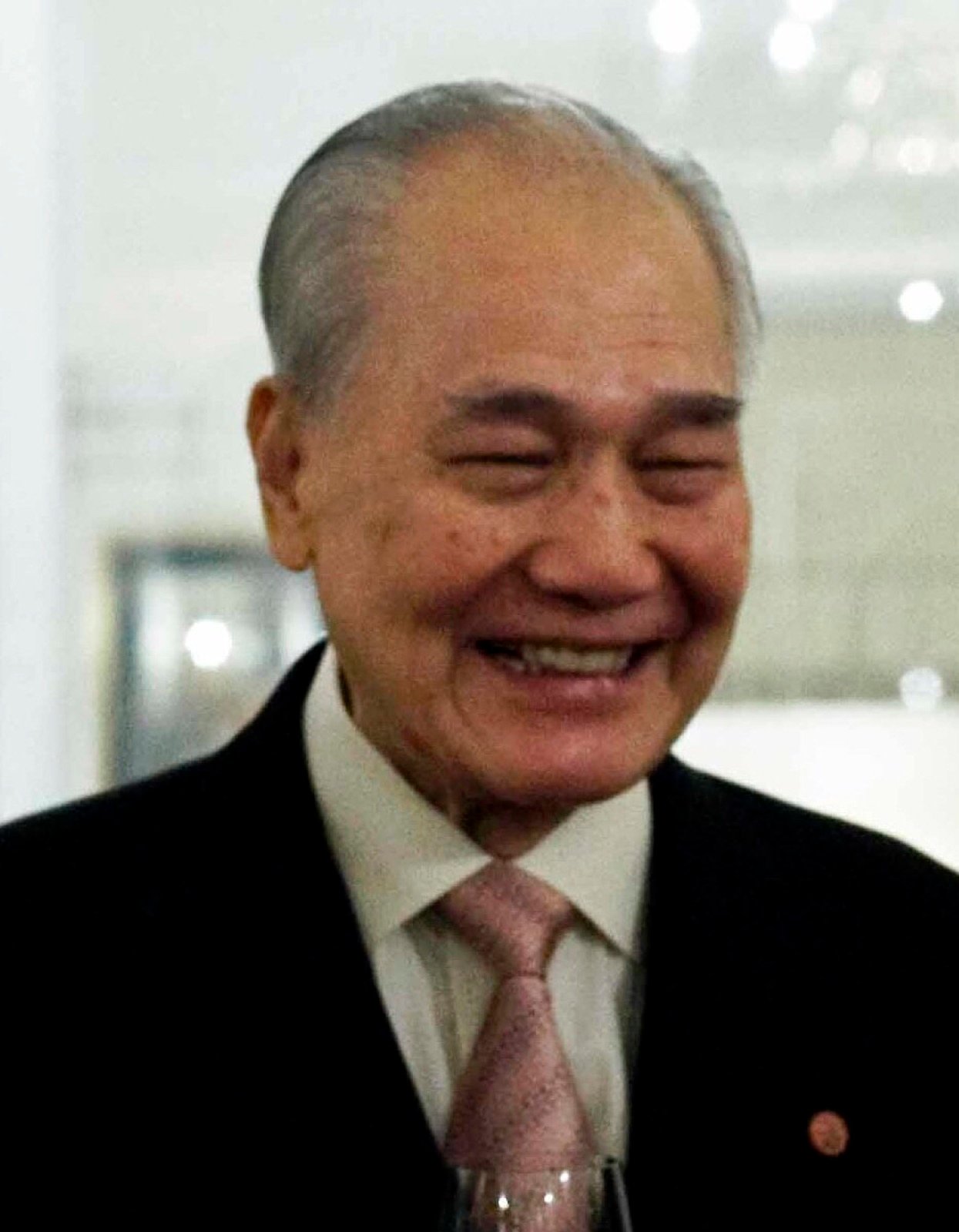

In this biography
Quick facts
- Born
- 15 May 1932
- Birthplace
- Nonthaburi, Siam
- Country
- Thailand
- Nationality
- Thai
- Known for
- Army reform, party politics and leading Thailand at the onset of the 1997 financial crisis
- Military office
- Commander-in-chief of the Royal Thai Army, 1986–1990
- Party founded
- New Aspiration Party
- Prime minister
- 25 November 1996 – 8 November 1997
- Major crisis
- Baht float and Asian financial crisis, 1997
Why this life matters
Chavalit’s career connects military modernisation, civilian party competition and the political consequences of Thailand’s 1997 economic collapse.
Timeline
Key moments
Born in Nonthaburi
Born on 15 May into a military family.
Became army commander
Took command during a period of managed political opening.
Entered party politics
Retired from the army and established the New Aspiration Party.
Became prime minister
Formed a coalition after the November general election.
The baht was floated
Thailand abandoned its exchange-rate peg on 2 July as reserves and confidence deteriorated.
Resigned during the crisis
Left office in November and transferred power to Chuan Leekpai.
From army command to elections
Chavalit graduated from the Chulachomklao Royal Military Academy and rose through the army. As commander-in-chief in the late 1980s, he supported a political strategy that combined security work, development and greater engagement with elected institutions.
He retired from the military in 1990 and formed the New Aspiration Party. Cabinet roles and coalition politics carried him to the premiership after the 1996 election.
Government at the edge of crisis
Chavalit’s coalition inherited a slowing economy, property weakness, fragile finance companies and large short-term foreign liabilities. Pressure on the baht intensified during the first half of 1997.
On 2 July the authorities abandoned the currency peg and allowed the baht to float. Depreciation increased the burden of foreign-currency debt, bank and corporate distress spread, and Thailand entered an international assistance programme in August.
Resignation and historical responsibility
As recession and public criticism deepened, Chavalit resigned in November 1997. Chuan Leekpai formed the next government and continued financial restructuring.
The crisis had causes that predated a single cabinet, including years of credit growth and weak regulation. Chavalit nevertheless carried political responsibility at the decisive moment, making his premiership central to any account of how economic vulnerability becomes a crisis of government.
Quick answers
Frequently asked questions about Chavalit Yongchaiyudh
- Who is Chavalit Yongchaiyudh?
- Chavalit Yongchaiyudh is a retired general and former prime minister. Chavalit’s career connects military modernisation, civilian party competition and the political consequences of Thailand’s 1997 economic collapse.
- What is Chavalit Yongchaiyudh best known for?
- Chavalit Yongchaiyudh is best known for army reform, party politics and leading Thailand at the onset of the 1997 financial crisis.
- When and where was Chavalit Yongchaiyudh born?
- Chavalit Yongchaiyudh was born on 15 May 1932 in Nonthaburi, Siam.
Sources and further reading
How this biography was checked
Core dates and offices are checked against the sources below. This profile was last reviewed on 8 September 2026.