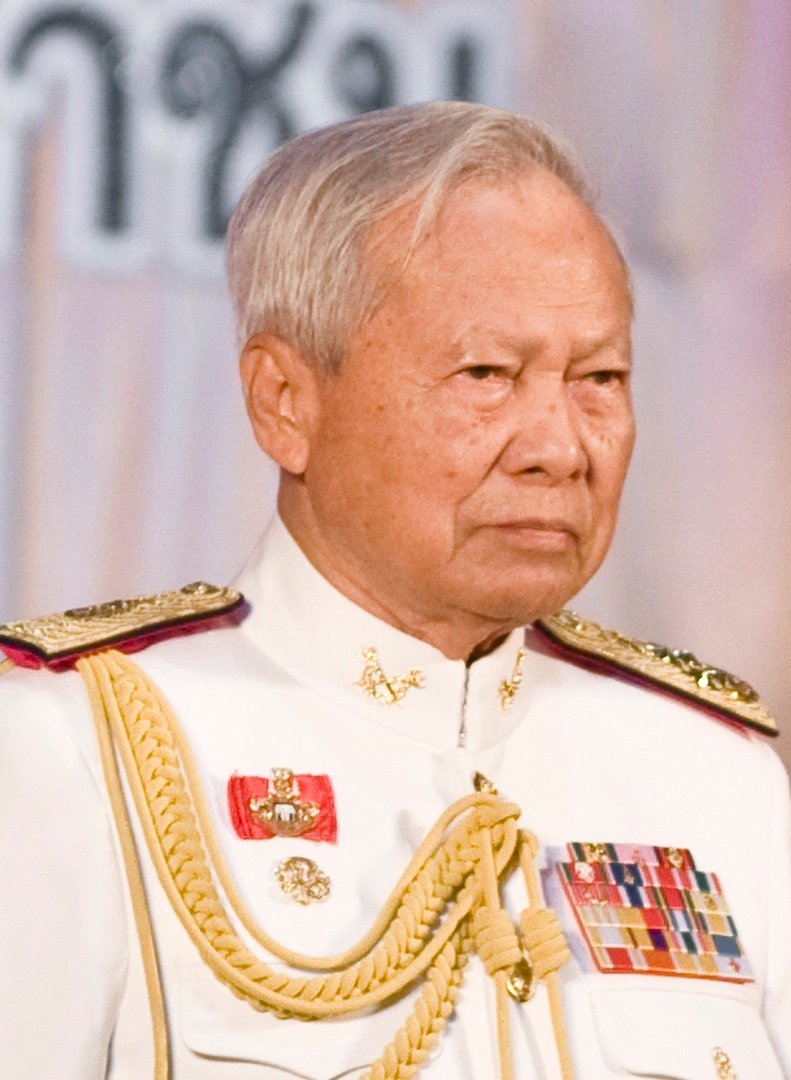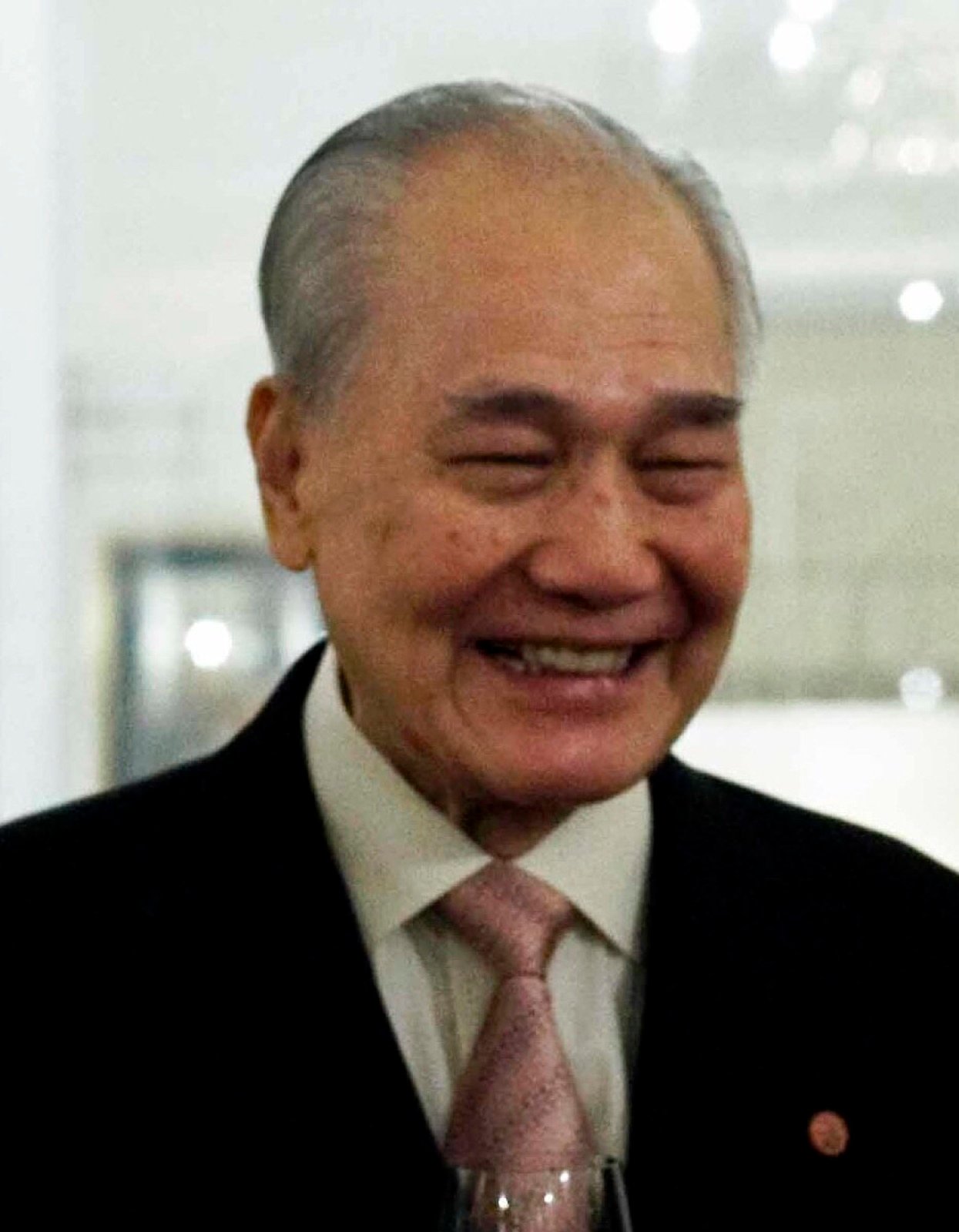
In this biography
Quick facts
- Born
- 9 August 1932
- Birthplace
- Bangkok, Siam
- Country
- Thailand
- Nationality
- Thai
- Known for
- Two interim premierships and constitutional reform advocacy
- Premierships
- 1991–1992; returned for a second interim government in June 1992
- Earlier career
- Diplomat and permanent secretary for foreign affairs
- Award
- Ramon Magsaysay Award for Government Service, 1997
- UN role
- Chair of the High-level Panel on Threats, Challenges and Change
Why this life matters
Anand became associated with administrative competence, open markets and constitutional checks during periods when Thailand was moving between military and elected rule.
Timeline
Key moments
Born in Bangkok
Born on 9 August, weeks after Siam’s constitutional revolution.
Entered the foreign service
Began a diplomatic career that included ambassadorial and senior ministry posts.
Moved into business leadership
Left the foreign service and joined Saha-Union after his diplomatic posting in West Germany.
First became prime minister
Was appointed after a military coup and led an interim administration.
Returned after Black May
Led a second interim government before elections in September.
Became a UNICEF goodwill ambassador
Began a long public role advocating for children and social development in Thailand.
Constitutional work and Magsaysay Award
Chaired the constitution’s drafting and scrutiny committees and received the Ramon Magsaysay Award for Government Service.
Chaired a UN reform panel
Kofi Annan appointed him chair in November 2003; the panel produced its collective-security report in 2004.
From Cambridge to diplomacy and Saha-Union
Anand Panyarachun was born in Bangkok on 9 August 1932. After schooling in Thailand and at Dulwich College in London, he studied at Trinity College, Cambridge, graduating in 1955. He then joined Thailand’s Ministry of Foreign Affairs. His diplomatic work included the United Nations and ambassadorial responsibilities in Canada and the United States, followed by senior ministry service.
After the October 1976 political upheaval, he faced accusations of communist sympathies and suspension. The Ramon Magsaysay Award Foundation records that an investigation exonerated him, after which he received an overseas posting. He left the foreign service in 1979 and joined Saha-Union. Business leadership broadened his experience beyond diplomacy before he was called into government during another military intervention.
The first appointed government, 1991–1992
The February 1991 coup removed Chatichai Choonhavan’s elected administration. The military leadership selected Anand as a civilian interim prime minister in March. He did not acquire that office through a party election victory. His position rested on appointment within a military-created political order, even as he sought room for an administration with a more independent reform agenda.
The Magsaysay foundation’s award citation credits his government with tax and trade reform, greater press freedom, environmental legislation and scrutiny of state-business arrangements. UNICEF also highlights improvements in education and healthcare and a national response to HIV/AIDS. These were substantial policy areas, but they do not erase the unelected origins of his administration. The March 1992 parliamentary election led to a new government rather than an electoral mandate for Anand himself.
Black May and a second interim premiership
Military-linked parties chose Suchinda Kraprayoon as prime minister after the election. Opposition to that choice helped generate the demonstrations remembered as Black May. Soldiers killed protesters in Bangkok, and the crisis ended Suchinda’s premiership. Anand’s two administrations were therefore separated by another prime minister and a violent political confrontation; they were not a continuous two-year term.
He returned in June 1992 to lead another interim government and oversee a fresh election in September. Power then passed to an elected administration headed by Chuan Leekpai. His second term’s importance lay in managing that transition, not in founding a permanent political party or winning the premiership at the ballot box. The two appointments made him a recurring civilian figure during moments when the legitimacy of military-linked government had broken down.
His role in the 1997 People’s Constitution
Anand later helped prepare Thailand’s 1997 Constitution. His career record distinguishes chairing the drafting committee from January to May and the scrutiny committee from May to July. These were roles within the Constitution Drafting Assembly, not sole authorship of the charter or the presidency of the whole assembly. Uthai Phimchaichon headed the assembly itself.
The process included provincial consultation and public hearings on the draft. Promulgated on 11 October 1997, the constitution sought stronger citizen participation and mechanisms for judicial review, accountability and scrutiny of public power. A contemporary Asia Foundation study explained both the opportunities and resistance facing these reforms. The participatory process is an important part of Anand’s record, but the charter’s ambitions should not be mistaken for proof that every proposed reform succeeded.
Children’s advocacy and collective security at the UN
In 1996 Anand became UNICEF’s first Goodwill Ambassador for Thailand. UNICEF describes his work in raising the organisation’s profile, mobilising support and advocating opportunities for children regardless of gender, ethnicity, wealth or legal status. This continued public role was separate from his former authority as prime minister.
On 4 November 2003, UN secretary-general Kofi Annan named him chair of a sixteen-member High-level Panel on Threats, Challenges and Change. Its 2004 report, A More Secure World: Our Shared Responsibility, proposed a broader approach to collective security, including prevention, peacebuilding and institutional reform. Anand chaired a panel making recommendations; he was not UN secretary-general and its proposals were not automatically binding policy. Together with the constitutional work and his 1997 Magsaysay Award, these roles connect his biography to institutions beyond Thailand’s cabinet.
Quick answers
Frequently asked questions about Anand Panyarachun
- Was Anand Panyarachun elected prime minister?
- Neither of his two premierships resulted from his own party winning an election. He headed appointed interim governments in 1991–1992 and again from June 1992.
- Why did Anand return as prime minister in 1992?
- He returned after the Black May crisis and the end of Suchinda Kraprayoon’s premiership, leading an interim government before a new election in September.
- Did Anand write Thailand’s 1997 Constitution alone?
- No. He chaired drafting and scrutiny committees within the Constitution Drafting Assembly. The charter resulted from collective drafting, consultation and parliamentary approval.
- What was Anand Panyarachun’s United Nations role?
- Kofi Annan appointed him chair of the High-level Panel on Threats, Challenges and Change in 2003. The panel produced a collective-security report in 2004; Anand was not UN secretary-general.
Keep exploring
Lives connected to this story
- Bhichai Rattakul
Compare another Thai career spanning foreign affairs, government and international public service.
- Chatichai Choonhavan
Understand the elected government removed before Anand’s first appointment.
- Suchinda Kraprayoon
Follow the intervening premiership and the confrontation that prompted Anand’s return.
- Chuan Leekpai
Meet the elected prime minister who followed the second interim administration.
- Chamlong Srimuang
Explore the protest leadership involved in the Black May confrontation.
Sources and further reading
Explore the evidence
These references support the biography and offer further reading. Official records, first-person accounts and independent reporting provide different perspectives; image records document attribution and licensing.
- 1. UNICEF ThailandAnand Panyarachun: UNICEF Goodwill Ambassador for Thailand
- 2. Ramon Magsaysay Award FoundationAnand Panyarachun: 1997 Ramon Magsaysay Awardee
- 3. Anand PanyarachunAnand Panyarachun — personal biographical account
This is the subject’s retrospective, not an independent evaluation. Its 1979 business transition agrees with the Magsaysay account. Its election chronology contains errors, so that chronology is not followed over the award citation and ISEAS record.
- 4. Anand PanyarachunBiographical data — diplomatic, business and constitutional posts
The CV separates the January–May 1997 drafting committee from the May–July scrutiny committee. Anand is not described as chair of the entire assembly or sole author of the constitution.
- 5. Termsak Chalermpalanupap / ISEAS–Yusof Ishak InstituteThailand Approaches an Historic Turning Point Amid Political Uncertainties — footnote 1
Footnote 1 lists March 1991–April 1992 and June–September 1992 premierships. Anand’s personal CV lists later end dates, so quick facts use the years and second appointment rather than conflating election dates with every cabinet’s final administrative date. The paper’s 2022 scenarios are not presented as subsequent events.
- 6. James R. Klein / The Asia Foundation; hosted by ConstitutionNetThe Constitution of the Kingdom of Thailand, 1997: A Blueprint for Participatory Democracy
This March 1998 working paper analyses the new charter and its expected effects. Those expectations are not treated as demonstrated long-term outcomes.
- 7. United NationsSecretary-General names Anand to chair the High-level Panel
- 8. United NationsHigh-level Panel report — UN briefing, 1 December 2004
- 9. Wikimedia CommonsPortrait and licence record