In this biography
Quick facts
- Born
- 31 August 1947
- Birthplace
- Chawang, Nakhon Si Thammarat, Thailand
- Country
- Thailand
- Nationality
- Thai
- Known for
- Leading a three-month government during protest violence, airport occupations and the dissolution of the People Power Party
- Office
- 26th Prime Minister, 18 September – 2 December 2008
- Earlier career
- Judge and permanent secretary of justice and labour
- Political relationship
- Husband of Yaowapha Wongsawat, Thaksin Shinawatra’s sister
- Exit from office
- PPP dissolution and five-year political-rights ban
Why this life matters
Somchai’s brief government shows how protest, policing, party-dissolution law and coalition switching combined to change Thailand’s government without a general election.
Timeline
Key moments
Born in Nakhon Si Thammarat
Born on 31 August in southern Thailand and later studied law at Thammasat University.
Built a judicial career
Served in provincial courts and appeal courts before moving into senior justice administration.
Became a permanent secretary
Held the most senior civil-service post at the justice ministry and later the labour ministry.
Entered electoral politics
Won a party-list House seat and became deputy prime minister and education minister under Samak.
Became the 26th prime minister
Succeeded Samak after the Constitutional Court terminated the previous premiership.
Parliament blockade ended in deadly clashes
Police cleared protesters around parliament; two people died and hundreds were injured.
Protesters occupied Bangkok’s airports
PAD occupations closed Suvarnabhumi and Don Mueang during the peak travel period.
PPP dissolution ended the government
The Constitutional Court dissolved the party and revoked the political rights of its executives for five years.
From the courts to senior administration
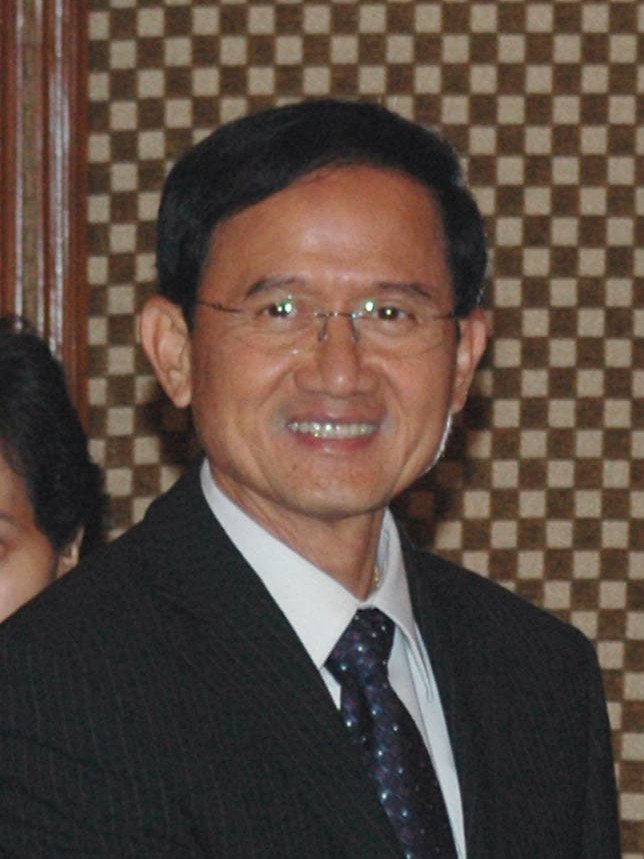
Somchai Wongsawat was born in Nakhon Si Thammarat on 31 August 1947 and earned a law degree from Thammasat University. He entered judicial service in 1974, worked in provincial and appellate courts, and eventually moved from judging cases to administering the justice system.
He became permanent secretary of justice in 2000, the ministry’s highest career civil-service post, and later served as permanent secretary of labour before retiring in 2006. That résumé distinguished him from the business executives and career parliamentarians around him: his authority came first from law, courts and bureaucracy.
A family link and a new political career
Somchai married Yaowapha Wongsawat, the sister of Thaksin and Yingluck Shinawatra. The relationship made him part of Thailand’s most consequential modern political family, but it did not create his earlier judicial career. Both facts matter when assessing later claims that he served only as a family proxy.
After the 2006 coup, Somchai joined the People Power Party and won a party-list House seat in the December 2007 election. Samak Sundaravej appointed him deputy prime minister and education minister. When the Constitutional Court removed Samak in September 2008, the PPP chose Somchai and the House approved him as the next prime minister.
A government surrounded by protest
Somchai inherited an escalating confrontation with the People’s Alliance for Democracy. PAD had occupied Government House and denounced the PPP as an instrument for Thaksin. The government operated from alternative offices while demonstrators tried to prevent it from delivering the policy statement required before normal administration.
On 7 October, police used tear gas and other force to clear access to parliament. Protesters also attacked officers with improvised weapons. According to the Public Health Ministry figures cited by Human Rights Watch, two PAD supporters were killed and 443 people were injured, including protesters who suffered traumatic amputations; about twenty police officers were also hurt. The violence made accountability for command decisions a defining issue of Somchai’s short tenure.
Airport occupations and institutional paralysis
The confrontation widened in late November when PAD occupied Suvarnabhumi and Don Mueang airports. Flights stopped, hundreds of thousands of travellers were affected and tourism and trade faced severe disruption. Somchai, returning from an overseas summit, could not use the main Bangkok airport and resisted demands to resign.
The army did not remove the government, and police did not immediately clear the airports. That restraint avoided a larger direct clash but also showed the state’s fragmented authority: protesters could close strategic infrastructure while the cabinet, security agencies, courts and armed forces followed different calculations.
Party dissolution and a coalition change
The decisive change came from the Constitutional Court on 2 December. It dissolved the PPP because deputy leader Yongyuth Tiyapairat had committed an election offence. Under the 2007 Constitution’s mandatory rule, party leaders and executives in office at the time of the offence lost electoral rights for five years. Somchai was affected as an executive even though the underlying vote-buying finding concerned Yongyuth.
The ruling ended Somchai’s premiership and dissolved two smaller coalition parties on the same day. PPP members regrouped in Pheu Thai, but defections and a new coalition allowed Democrat leader Abhisit Vejjajiva to win the next House vote. Somchai’s three months in office thus became the hinge between an election-winning coalition and a government formed through judicial disqualification and parliamentary realignment.
Quick answers
Frequently asked questions about Somchai Wongsawat
- Who is Somchai Wongsawat?
- Somchai Wongsawat is the 26th Prime Minister of Thailand, September–December 2008. Somchai’s brief government shows how protest, policing, party-dissolution law and coalition switching combined to change Thailand’s government without a general election.
- What is Somchai Wongsawat best known for?
- Somchai Wongsawat is best known for leading a three-month government during protest violence, airport occupations and the dissolution of the People Power Party.
- When and where was Somchai Wongsawat born?
- Somchai Wongsawat was born on 31 August 1947 in Chawang, Nakhon Si Thammarat, Thailand.
Sources and further reading
How this biography was checked
Core dates and offices are checked against the sources below. This profile was last reviewed on 3 October 2026.
- Secretariat of the Prime Minister of ThailandDirectory of Prime Ministers of Thailand
- Inter-Parliamentary UnionThailand House election background, 2011
- Constitutional Court of ThailandConstitutional Court Ruling No. 20/2551
- National Human Rights Commission of ThailandFinal Report of the Truth for Reconciliation Commission
- Human Rights WatchDescent into Chaos: Thailand’s 2010 Red Shirt Protests
- Human Rights WatchGovernment and protesters should end political violence
- Wikimedia CommonsPortrait and licence record