In this biography
Quick facts
- Born
- 9 March 1916
- Died
- 28 July 1999
- Birthplace
- Bangkok, Siam
- Country
- Thailand
- Nationality
- Thai
- Known for
- Building economic institutions while defending public ethics and civil freedom
- Bank of Thailand
- Governor, 1959–1971
- University role
- Rector of Thammasat University, 1975–1976
- Award
- Ramon Magsaysay Award for Government Service, 1965
- Wartime service
- Free Thai movement
Why this life matters
Puey helped professionalise Thailand’s economic institutions and remains an influential model of principled public service amid authoritarian pressure.
Timeline
Key moments
Born in Bangkok
Born on 9 March into a Thai-Chinese family.
Graduated in economics in London
Earned first-class honours at the London School of Economics.
Joined the Free Thai mission
Parachuted into Thailand as part of the anti-Japanese resistance network.
Completed his doctorate
Received a PhD in economics from the London School of Economics.
Became central-bank governor
Began a twelve-year tenure at the Bank of Thailand.
Received the Magsaysay Award
Was recognised for government service and institutional integrity.
Convened regional central-bank governors
Co-led the first SEACEN governors’ meeting in Bangkok to deepen monetary cooperation.
Became Thammasat rector
Took university leadership during an intensely polarised democratic period.
Went into exile
Left Thailand after the 6 October massacre and coup.
Died in London
Died on 28 July after more than two decades abroad.
War, economics and public service
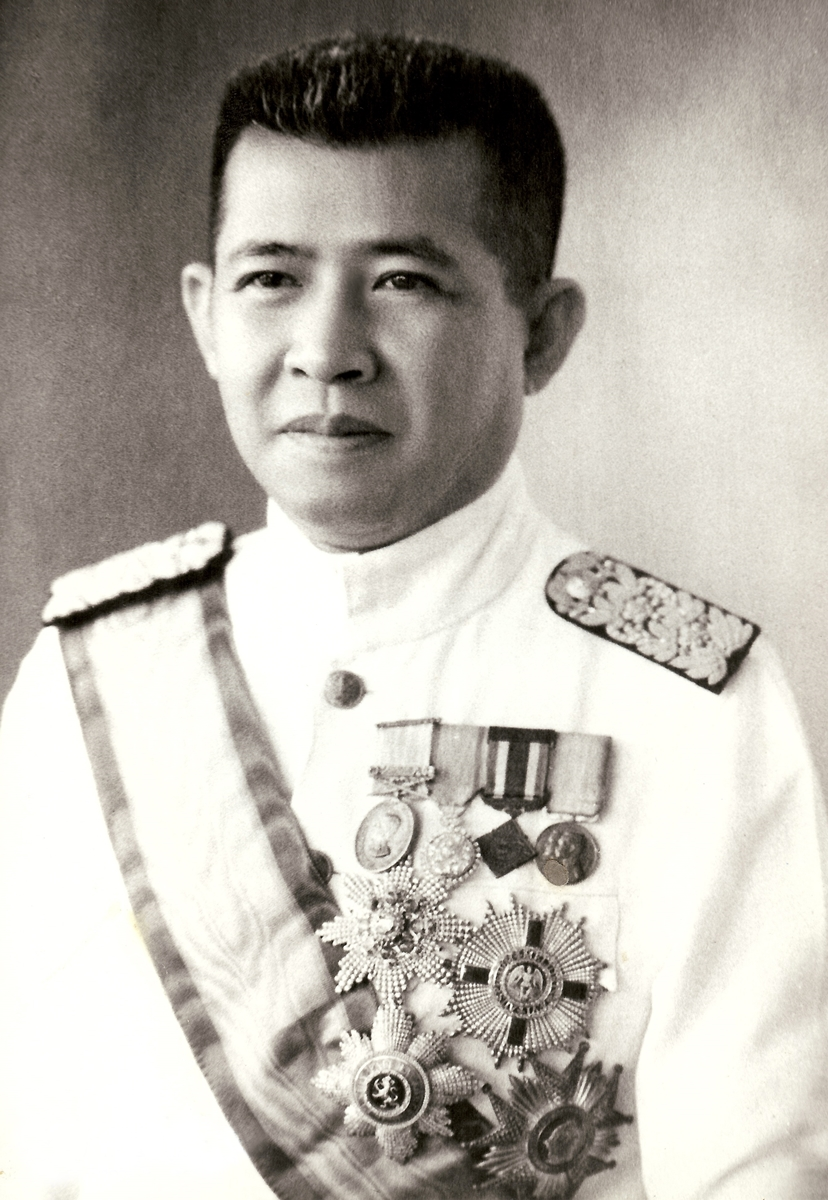
Puey studied economics in Britain and joined the Free Thai movement during the Second World War. He parachuted into occupied Thailand in 1944, linking an unusually direct experience of wartime resistance to the academic training he later completed at the London School of Economics.
He entered the Ministry of Finance in 1949, served briefly as a Bank of Thailand deputy governor in 1953 and became governor in June 1959. His twelve-year tenure helped strengthen central banking, budgeting and the professional standing of economic policy institutions during military-led governments.
Development with social purpose
Puey did not treat growth as a purely technical target. His writing and public work connected economic policy to education, rural welfare, accountable government and the conditions people need across a lifetime. That approach made distribution, dignity and public ethics part of economic administration rather than separate charitable concerns.
The Ramon Magsaysay Award recognised the integrity and professional skill of his government service in 1965. The following year, Puey and Bank Negara Malaysia governor Ismail Mohamed Ali led the first meeting of Southeast Asian central-bank governors in Bangkok, the beginning of the cooperation later institutionalised through SEACEN.
Thammasat, exile and legacy
Puey became Thammasat’s rector in 1975 during the political opening after 1973. He supported plans for the Rangsit campus and expanded attention to science and technology while polarisation and right-wing violence made the university an increasingly exposed political space.
After the 6 October 1976 massacre and coup, he resigned and was forced into exile in Britain. His reputation endures because institutional competence and moral independence were, in his career, parts of the same public obligation—a connection preserved in institutions and public lectures that now bear his name.
Quick answers
Frequently asked questions about Puey Ungphakorn
- Who was Puey Ungphakorn?
- Puey Ungphakorn was an economist, central banker and university rector. Puey helped professionalise Thailand’s economic institutions and remains an influential model of principled public service amid authoritarian pressure.
- What is Puey Ungphakorn best known for?
- Puey Ungphakorn is best known for building economic institutions while defending public ethics and civil freedom.
- When and where was Puey Ungphakorn born?
- Puey Ungphakorn was born on 9 March 1916 in Bangkok, Siam.
- When did Puey Ungphakorn die?
- Puey Ungphakorn died on 28 July 1999.
Sources and further reading
Explore the evidence
These references support the biography and offer further reading. Official records, first-person accounts and independent reporting provide different perspectives; image records document attribution and licensing.
- 1. Bank of ThailandPuey Ungphakorn, Governor 1959–1971
- 2. Ramon Magsaysay Award FoundationPuey Ungphakorn: 1965 Ramon Magsaysay Awardee
- 3. Thammasat University LibraryReading Books by Dr. Puey Ungphakorn
- 4. Bank of ThailandSouth East Asian Central Banks — SEACEN history
- 5. Wikimedia CommonsMemorial portrait and licence record