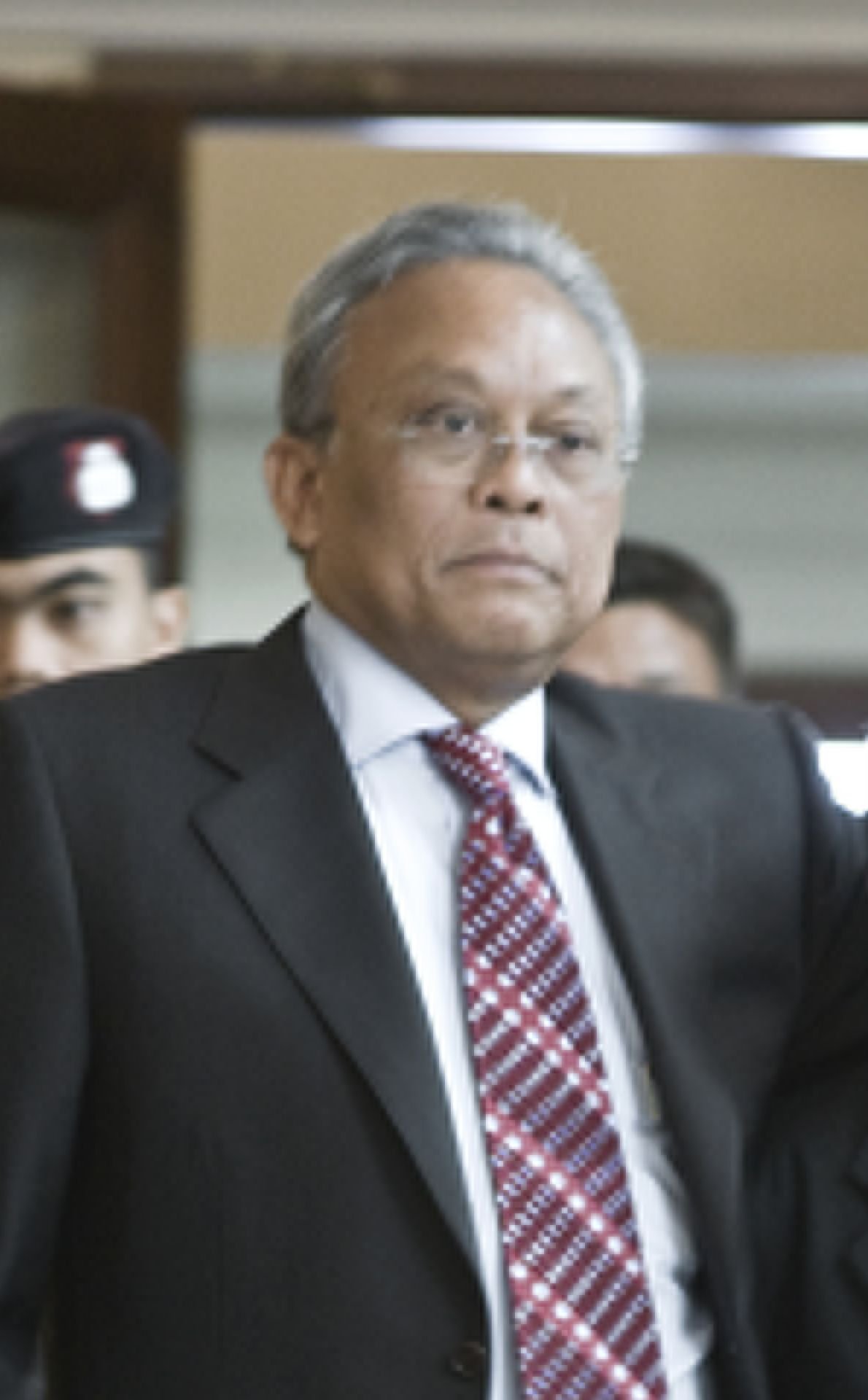
In this biography
Quick facts
- Born
- 7 July 1949
- Birthplace
- Tha Sathon, Phunphin, Surat Thani, Thailand
- Country
- Thailand
- Nationality
- Thai
- Known for
- Leading the 2013–2014 PDRC campaign for reform before elections
- Born
- 7 July 1949, Surat Thani
- Deputy prime minister
- 2008–2011
- PDRC role
- Secretary-general, 2013–2014
- Political base
- Surat Thani and southern Thailand
Why this life matters
Suthep’s career links constituency politics, establishment government, coercive crisis management and a mass movement that tried to replace an elected administration with reform before another vote.
Timeline
Key moments
Born in Surat Thani
Born in Tha Sathon subdistrict in southern Thailand and later educated at Chiang Mai University and Middle Tennessee State University.
Entered local government
Won election as kamnan, or subdistrict head, in his home area before moving into national politics.
Entered the House of Representatives
Won a Surat Thani seat for the Democrat Party and began a long parliamentary career rooted in the south.
Joined the cabinet
Became deputy agriculture minister in Prem Tinsulanonda’s government.
Resigned during the land-reform controversy
A dispute over beneficiaries of agricultural land documents in Phuket destabilised Chuan Leekpai’s first government.
Became deputy prime minister
Served under Abhisit Vejjajiva with responsibility for security and coalition management.
Directed the emergency-response centre
Led the CRES during the Red Shirt protests and military crackdown, a role that generated lasting demands for accountability.
Left parliament for street mobilisation
Resigned as a Democrat MP and became the central public leader of the anti-government campaign.
Became PDRC secretary-general
Led occupations and the Bangkok Shutdown under a demand for reform before another election.
The military seized power
The coup ended the elected order after six months of confrontation; the military briefly detained Suthep with other political leaders.
Courts ruled on the PDRC campaign
A trial court convicted him on protest-related offences, and the Appeals Court later upheld convictions while reducing his prison term to one year pending further appeal.
From village leadership to a southern party machine
Suthep Thaugsuban was born in Surat Thani in 1949 and built his political identity in the Democrat Party’s strongest region. After university study in Thailand and the United States, he returned to local politics and became kamnan of his home subdistrict. He entered the House in 1979 and developed the constituency organisation, personal networks and negotiating skills that made him one of the party’s most durable operators.
His first cabinet appointment came as deputy agriculture minister in 1986. He later held agriculture, communications and transport-related responsibilities in Democrat-led governments. Supporters valued his ability to deliver votes and manage coalitions; critics treated the same network as an example of patronage politics. Those two readings followed him from provincial organisation into the centre of national power.
The 1995 land controversy and return to influence
Suthep became a central figure in the Sor Por Kor 4-01 controversy when agricultural land documents in Phuket reached beneficiaries described as wealthy or politically connected rather than landless farmers. He resigned as deputy agriculture minister. The dispute helped force Prime Minister Chuan Leekpai to dissolve the House before a no-confidence debate, making it an early national example of the accountability questions that would shadow Suthep’s later anti-corruption rhetoric.
The episode did not end his career. He retained a strong electoral base in Surat Thani, returned to parliament and became secretary-general of the Democrat Party. His importance was less that of an ideological theorist than of an organiser able to connect constituency machines, party factions and coalition partners. When Abhisit Vejjajiva assembled a government in December 2008, Suthep became deputy prime minister and one of its main political managers.
Security authority during the 2010 Red Shirt crisis
As deputy prime minister responsible for security, Suthep directed the Centre for the Resolution of the Emergency Situation during the 2010 Red Shirt protests. Months of confrontation, armed incidents and military operations left more than ninety people dead and many more injured. Human Rights Watch documented abuses by both state forces and armed elements among the protesters, while emphasising the state’s obligation to distinguish threats from peaceful participants and use proportionate force.
Prosecutors later brought murder-related charges against Abhisit and Suthep over deaths during the operations. The ordinary Criminal Court dismissed the case on jurisdictional grounds because the alleged acts concerned officeholders exercising official authority; that ruling did not amount to a factual finding that every use of force was lawful. The unresolved accountability debate became especially important when Suthep later claimed the legitimacy of disruptive street protest against another government.
From opposition MP to PDRC leader
A broad amnesty bill passed by the House in November 2013 triggered a movement that rapidly outgrew the legislation itself. Suthep resigned his parliamentary seat and became secretary-general of the People’s Democratic Reform Committee. The PDRC occupied ministries, organised mass marches and launched the Bangkok Shutdown. It argued that an appointed people’s council should redesign political rules before Thailand returned to elections.
The movement channelled real opposition to corruption, concentrated family influence and what supporters regarded as abuse of an electoral majority. Its methods also blocked candidacy and voting, denied that the February 2014 election could resolve the crisis and sought to remove a government outside a completed electoral transfer. Violence struck protesters, police and government supporters during the confrontation. Courts later annulled the incomplete election and removed Yingluck Shinawatra; the army seized power on 22 May.
After the coup and a contested legacy
The military detained Suthep briefly after the coup. He entered the Buddhist monkhood in July 2014 and later established a reform foundation. In 2018 he returned to organised political activity around the Action Coalition for Thailand, despite earlier statements that he would leave politics. The party supported Prayut Chan-o-cha’s continuation as prime minister after the 2019 election, extending links between the PDRC constituency and the post-coup order.
In 2021 the Criminal Court rejected sedition and terrorism counts but convicted Suthep and other PDRC leaders of offences connected to occupations, unlawful assembly and coercive protest. In June 2024 the Appeals Court upheld convictions while reducing his sentence to one year; his lawyer sought bail for a Supreme Court appeal. His legacy therefore remains divided. Admirers credit him with mobilising resistance to the Shinawatra network. Critics argue that his reform-before-election strategy weakened equal political participation and helped create the conditions for military rule.
Quick answers
Frequently asked questions about Suthep Thaugsuban
- Who is Suthep Thaugsuban?
- Suthep Thaugsuban is a former deputy prime minister and PDRC protest leader. Suthep’s career links constituency politics, establishment government, coercive crisis management and a mass movement that tried to replace an elected administration with reform before another vote.
- What is Suthep Thaugsuban best known for?
- Suthep Thaugsuban is best known for leading the 2013–2014 PDRC campaign for reform before elections.
- When and where was Suthep Thaugsuban born?
- Suthep Thaugsuban was born on 7 July 1949 in Tha Sathon, Phunphin, Surat Thani, Thailand.
Sources and further reading
How this biography was checked
Core dates and offices are checked against the sources below. This profile was last reviewed on 3 October 2026.
- King Prajadhipok’s InstituteSuthep Thaugsuban political biography
- Human Rights WatchDescent into Chaos: Thailand’s 2010 Red Shirt Protests and the Government Crackdown
- U.S. Department of StateThailand 2013 Country Report on Human Rights Practices
- European ParliamentThailand in Crisis: Political and Security Implications
- Human Rights WatchThe 2013–2014 Thai Political Crisis
- Nation ThailandAppeals Court ruling on PDRC convictions and sentences
- Wikimedia CommonsSuthep Thaugsuban portrait and licence record