In this biography
Quick facts
- Born
- 18 January 1905
- Died
- 1 May 1967
- Birthplace
- Phitsanulok, Siam
- Country
- Thailand
- Nationality
- Thai
- Known for
- Steering wartime diplomacy, joining the Free Thai movement and founding Thammasat’s Faculty of Political Science
- Political generation
- People’s Party member, 1932
- Wartime offices
- Foreign minister and minister to Japan
- Resistance role
- Domestic Free Thai movement
- Academic legacy
- Founding dean of Thammasat Political Science
Why this life matters
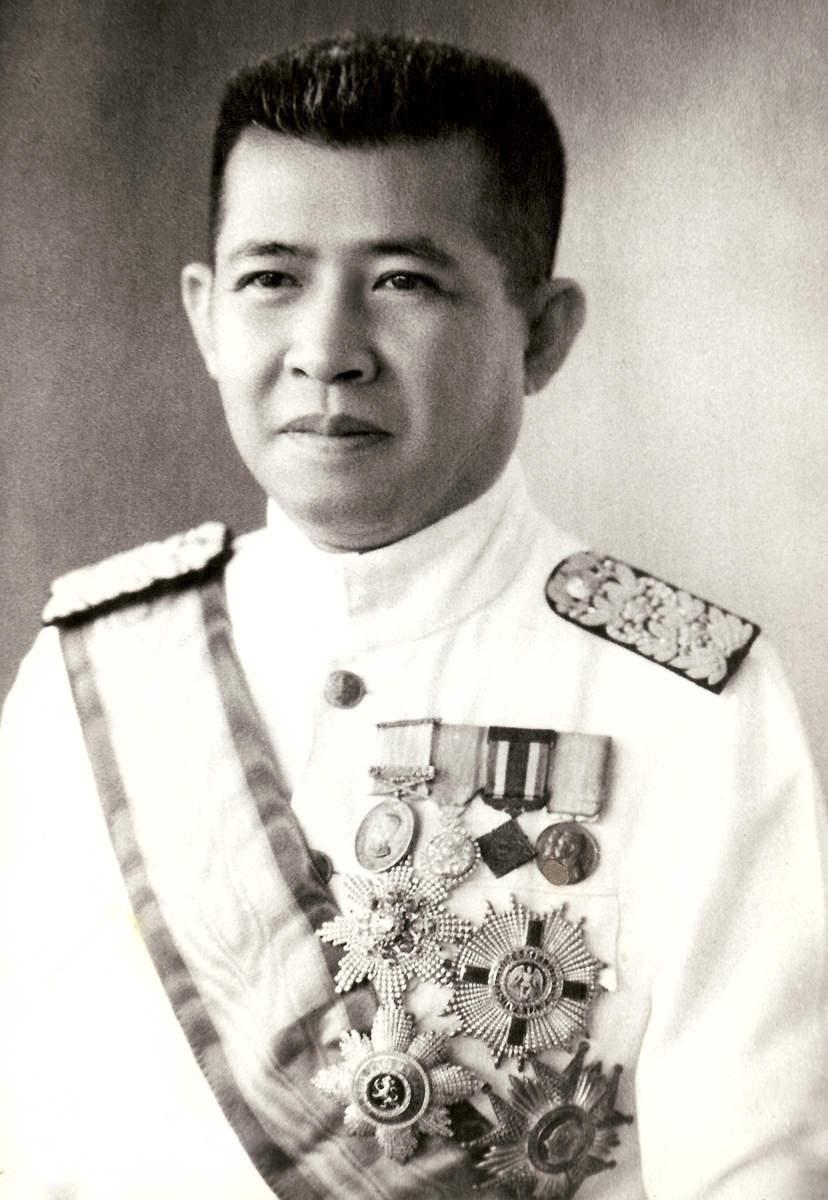
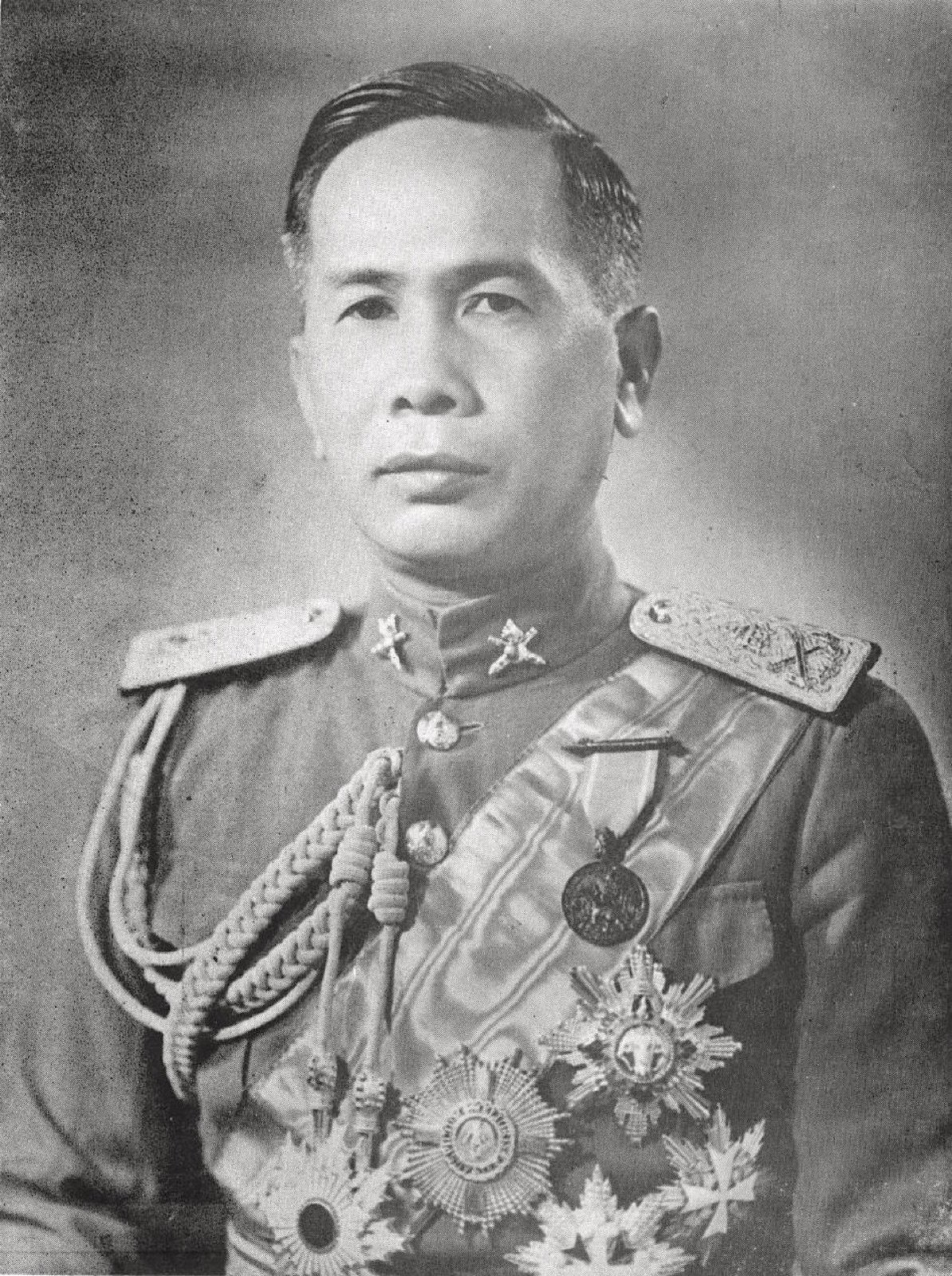
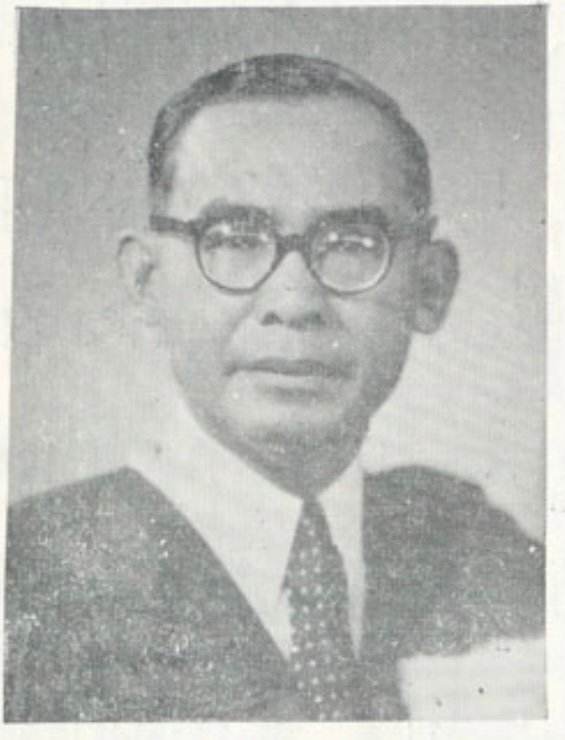
Direk’s career connects the 1932 revolution, the limits of wartime diplomacy, domestic resistance, postwar negotiations and the professional study of politics in Thailand.
Timeline
Key moments
Born in Phitsanulok
Born on 18 January and educated in Bangkok before training in law.
Qualified in law
Completed the Ministry of Justice law school after working as a legal interpreter and court translator.
Joined the constitutional revolution
Participated in the People’s Party and entered the first provisional National Assembly.
Moved through central government
Served the foreign minister, Cabinet Secretariat and government information administration before entering the cabinet.
Served as foreign minister during Japan’s entry
Signed the agreement permitting Japanese forces to pass through Thailand after the invasion of 8 December.
Represented Thailand in Tokyo
Served as minister to Japan while trying to limit deeper commitment to the Axis alliance.
Joined Free Thai operations
Returned to cabinet office, worked with Pridi’s domestic resistance and led a mission to Allied headquarters in Kandy.
Worked on the postwar settlement
Held finance, justice and foreign-affairs portfolios while Thailand negotiated with Britain and restored international relations.
Founded a political-science faculty
Became the first dean of Thammasat University’s Faculty of Political Science and helped design its curriculum.
Returned to diplomacy, then died in Bangkok
Served as ambassador in Bonn until retirement and died on 1 May 1967.
Law, administration and the 1932 generation
Direk Jayanama was born in Phitsanulok in 1905 and educated at Assumption College, Rajavidhyalai School and the Ministry of Justice law school. He began government work before completing his legal qualification, using his English as an interpreter in foreign cases. That combination of law, language and administration prepared him for a career that repeatedly crossed the boundaries between politics and diplomacy.
At twenty-seven, Direk joined the People’s Party coalition that ended absolute monarchy on 24 June 1932. He served in the first provisional National Assembly and then worked as secretary to the foreign minister, in the Cabinet Secretariat and in government information. By the late 1930s he was assisting both the finance and foreign ministries, placing him close to Pridi Banomyong and the officials responsible for managing Siam’s position as war approached Europe and Asia.
Neutrality, Japan and the limits of ministerial choice
Direk became deputy foreign minister in 1939 and helped defend a policy of formal neutrality. A Thai Ministry of Foreign Affairs study identifies him, Pridi and Prince Wan Waithayakon as leading liberal officials who tried to keep foreign policy independent of Japan. Phibun appointed Direk foreign minister in August 1941, only months before the Pacific War reached Thailand.
Japanese forces entered the country on 8 December. After brief fighting, the government ordered resistance to stop, and Direk signed the agreement allowing Japanese troops to pass while Japan promised to respect Thai sovereignty. Signing made him part of the official accommodation, but it did not mean that he supported ever-deeper alignment. Sent to Tokyo in early 1942, he argued against Thailand formally joining the Axis powers and reported that Japanese officials themselves did not require that additional commitment.
Free Thai work and the postwar settlement
Direk left Tokyo in 1943, returned to the foreign ministry and joined the domestic Free Thai network led by Pridi. Resistance inside an allied government demanded secrecy and institutional access rather than public opposition alone. In 1945 Direk led a Thai delegation to the Allied South East Asia Command at Kandy, helping establish that the clandestine movement could cooperate in military planning against Japan.
After Japan’s surrender, Direk held finance, justice and foreign-affairs portfolios in successive civilian governments. He took part in difficult negotiations with Britain over the postwar settlement, including rice obligations and restoration of normal relations, and contributed to Thai proposals for resolving the territorial dispute with France. These negotiations depended on Free Thai credibility, American policy and changing Allied interests; no single diplomat could dictate their outcome.
From interrupted civilian politics to an academic legacy
The November 1947 coup ended the civilian political order with which Direk had been associated and restored military leverage over government. His later public career increasingly moved through diplomacy and education. Thammasat University established its Faculty of Political Science in June 1949 with Direk as founding dean. He helped prepare the curriculum and promoted the study of government, law, diplomacy and political history through documentary evidence rather than partisan assertion.
Direk later represented Thailand in London and Bonn, serving in West Germany from 1959 until retirement in the mid-1960s. He died in Bangkok on 1 May 1967. The faculty, library and research centre bearing his name preserve an institutional legacy that is distinct from—but inseparable from—his political life: the diplomat who worked inside compromised governments also helped create a place where those governments and their choices could be studied critically.
Quick answers
Frequently asked questions about Direk Jayanama
- Who was Direk Jayanama?
- Direk Jayanama was a Thai diplomat, foreign minister and Free Thai member. Direk’s career connects the 1932 revolution, the limits of wartime diplomacy, domestic resistance, postwar negotiations and the professional study of politics in Thailand.
- What is Direk Jayanama best known for?
- Direk Jayanama is best known for steering wartime diplomacy, joining the Free Thai movement and founding Thammasat’s Faculty of Political Science.
- When and where was Direk Jayanama born?
- Direk Jayanama was born on 18 January 1905 in Phitsanulok, Siam.
- When did Direk Jayanama die?
- Direk Jayanama died on 1 May 1967.
Sources and further reading
How this biography was checked
Core dates and offices are checked against the sources below. This profile was last reviewed on 3 October 2026.
- Pridi Banomyong InstituteProfessor Direk Jayanama: political, economic and social roles
- Ministry of Foreign Affairs of ThailandThai Foreign Policy, 1932–1946
- Faculty of Political Science, Thammasat UniversityFaculty History and dean directory
- Pridi Banomyong InstituteFree Thai Movement: A Great Undertaking
- Ministry of Foreign Affairs of ThailandThe Quest for Thai–US Alliance
- National Library of Thailand Academic JournalDirek Jayanama and the Free Thai movement
- Wikimedia CommonsDirek Jayanama portrait and public-domain record