In this biography
Quick facts
- Born
- 28 June 1894
- Died
- 17 December 1969
- Birthplace
- Bang Rak, Bangkok, Siam
- Country
- Thailand
- Nationality
- Thai
- Known for
- Mobilising the national police network for the domestic Free Thai resistance
- Birth name
- Bat Phuengphrakhun
- Police leadership
- Director-general, 1936–1945
- Resistance role
- Deputy head, domestic Free Thai
- Allied codenames
- Pulao (British) and Betty (U.S.)
Why this life matters
Adun’s career shows how the same coercive institution could police political opposition, protect Allied agents and become a nationwide resistance network during wartime occupation.
Timeline
Key moments
Born in Bangkok
Born Bat Phuengphrakhun on 28 June and raised in the orbit of Paruskavan Palace.
Commissioned in the army
Completed military training and entered the artillery alongside officers who would dominate later Thai politics.
Joined the constitutional revolution
Participated in the People’s Party seizure of power that ended absolute monarchy.
Became national police director
Took command of a rapidly expanding police organisation and its Special Branch intelligence service.
Advised against direct war with Japan
At the emergency cabinet meeting, argued that Thailand could not sustain open fighting but should avoid deeper commitments.
Protected infiltrated Allied agents
Police custody shielded parachuted Free Thai operatives from Japanese arrest while Adun tested their identities and mission.
Joined the Free Thai command
Committed the police network to the resistance and became deputy to Pridi Banomyong inside Thailand.
Entered postwar government
Served as deputy prime minister during the transition from resistance operations to civilian administration.
Commanded the army
Became army commander-in-chief before the November 1947 coup displaced the civilian political order.
Died in Bangkok
Died on 17 December at the age of seventy-five.
From palace household to the officer corps
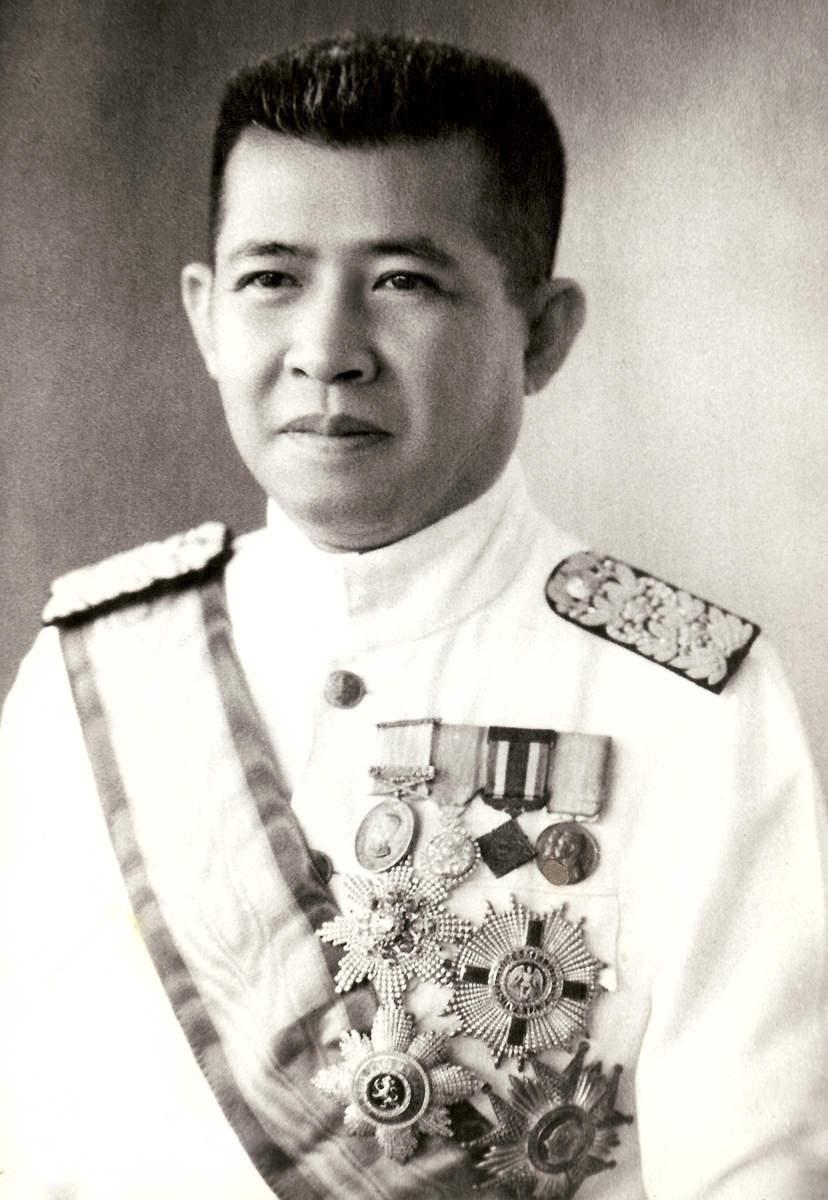
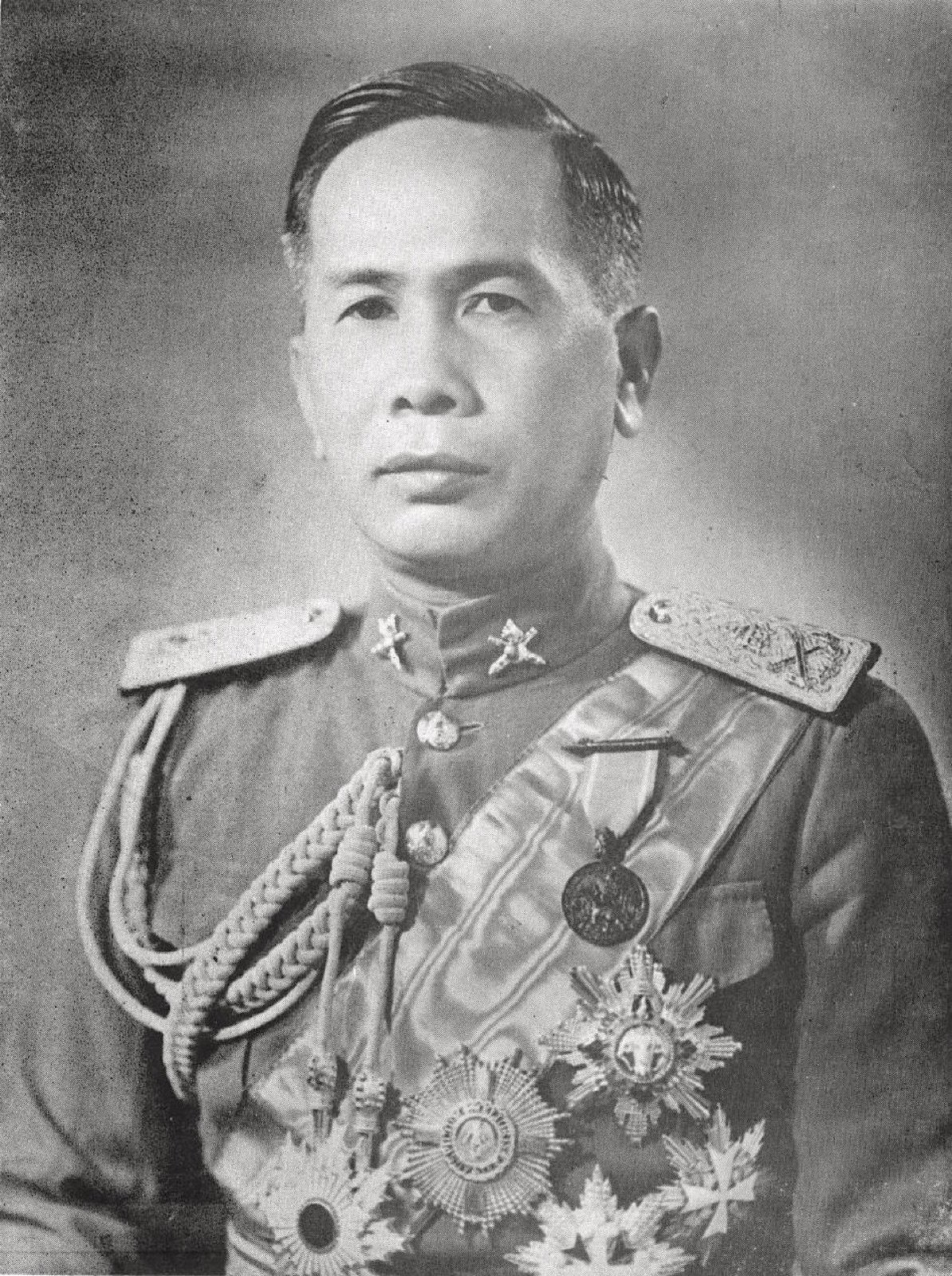
Adun Adundetcharat was born Bat Phuengphrakhun in Bangkok in 1894. His father served Prince Chakrabongse Bhuvanath, and the boy grew up around Paruskavan Palace before attending Assumption College and the Chulachomklao Royal Military Academy. His officer class included Plaek Phibunsongkhram and Phin Choonhavan, men who would later stand on different sides of struggles over the Thai state.
Commissioned into the artillery in 1916, Adun belonged to the military generation that linked professional advancement with constitutional change. He joined the People’s Party operation of 24 June 1932, which ended absolute monarchy and created a new arena of rivalry among civilian, army, navy and police factions. His later career cannot be separated from that coalition: he was both a maker of the new order and an enforcer within it.
Building police power after the revolution
Adun moved from the army to senior police administration after the revolution and became director-general of the national police in 1936. He acquired a reputation for personal discipline and for pursuing cases against well-connected suspects, but the force also served as an instrument of regime security. Its Special Branch watched political organisations, investigated plots and helped suppress opponents of the post-1932 governments.
That mixed record matters. The later resistance leader was not simply a liberal outsider to state coercion; he had helped construct a powerful surveillance and enforcement institution. Yet the police also gave him something few other officials possessed: officers, communications and local knowledge across the country. During the Pacific War, the political use of that network changed as Adun tried to preserve Thai control against Japanese demands.
Police protection and the Free Thai network
When Japanese forces entered Thailand on 8 December 1941, Adun argued at an emergency cabinet meeting that open resistance would cause enormous losses, while warning against binding the country more closely to Japan. As police chief under Phibun, he still operated inside the allied wartime state. Thai and Japanese security bodies worked alongside one another, but Adun insisted that Thai suspects on Thai soil should remain under Thai jurisdiction and sometimes had police detain people before Japanese officers could reach them.
The ambiguity became decisive when Allied-trained Free Thai agents parachuted into the country in 1944. Police arrested several infiltrators, including Puey Ungphakorn, but kept them from Japanese custody while Adun examined their claims and links to Pridi and overseas resistance groups. Around September, after Khuang Aphaiwong replaced Phibun, Adun committed the police to the domestic Free Thai command. Known to British contacts as “Pulao” and to Americans as “Betty,” he became Pridi’s deputy and connected senior officers in the army, navy and air force to the movement.
Postwar authority and a complicated legacy
Police units supplied intelligence, protected Allied personnel, supported radio communication and helped organise training sites in more than twenty-five provinces. These operations made the resistance a state-spanning network rather than a small Bangkok conspiracy. They also strengthened the postwar argument that Thai institutions and citizens had actively opposed Japan, although Allied policy and diplomacy—not resistance activity alone—shaped the country’s settlement.
Adun left the police directorship in 1945, served in senior postwar cabinets and became army commander-in-chief in 1946. The 1947 coup removed the civilian coalition with which he was associated and ended his command. He later served briefly on the Privy Council and died in 1969. Remembering only his Free Thai work hides the police force’s coercive role; remembering only repression misses how institutional power was redirected to protect agents and coordinate resistance. That tension is central to understanding both Adun and the modern Thai security state.
Quick answers
Frequently asked questions about Adun Adundetcharat
- Who was Adun Adundetcharat?
- Adun Adundetcharat was a Thai police chief and deputy Free Thai leader. Adun’s career shows how the same coercive institution could police political opposition, protect Allied agents and become a nationwide resistance network during wartime occupation.
- What is Adun Adundetcharat best known for?
- Adun Adundetcharat is best known for mobilising the national police network for the domestic Free Thai resistance.
- When and where was Adun Adundetcharat born?
- Adun Adundetcharat was born on 28 June 1894 in Bang Rak, Bangkok, Siam.
- When did Adun Adundetcharat die?
- Adun Adundetcharat died on 17 December 1969.
Sources and further reading
How this biography was checked
Core dates and offices are checked against the sources below. This profile was last reviewed on 3 October 2026.
- King Prajadhipok’s InstituteAdun Adundetcharat political biography
- Pridi Banomyong InstituteLeaders of the Free Thai movement in Pridi’s closing speech
- Pridi Banomyong InstitutePolice and resistance operations at Paruskavan Palace
- Ministry of Foreign Affairs of ThailandThai Foreign Policy, 1932–1946
- Humanities and Social Sciences JournalThe coordination of Thailand’s domestic Free Thai movement
- Library of CongressThailand: A Country Study
- Wikimedia CommonsAdun Adundetcharat portrait and public-domain record