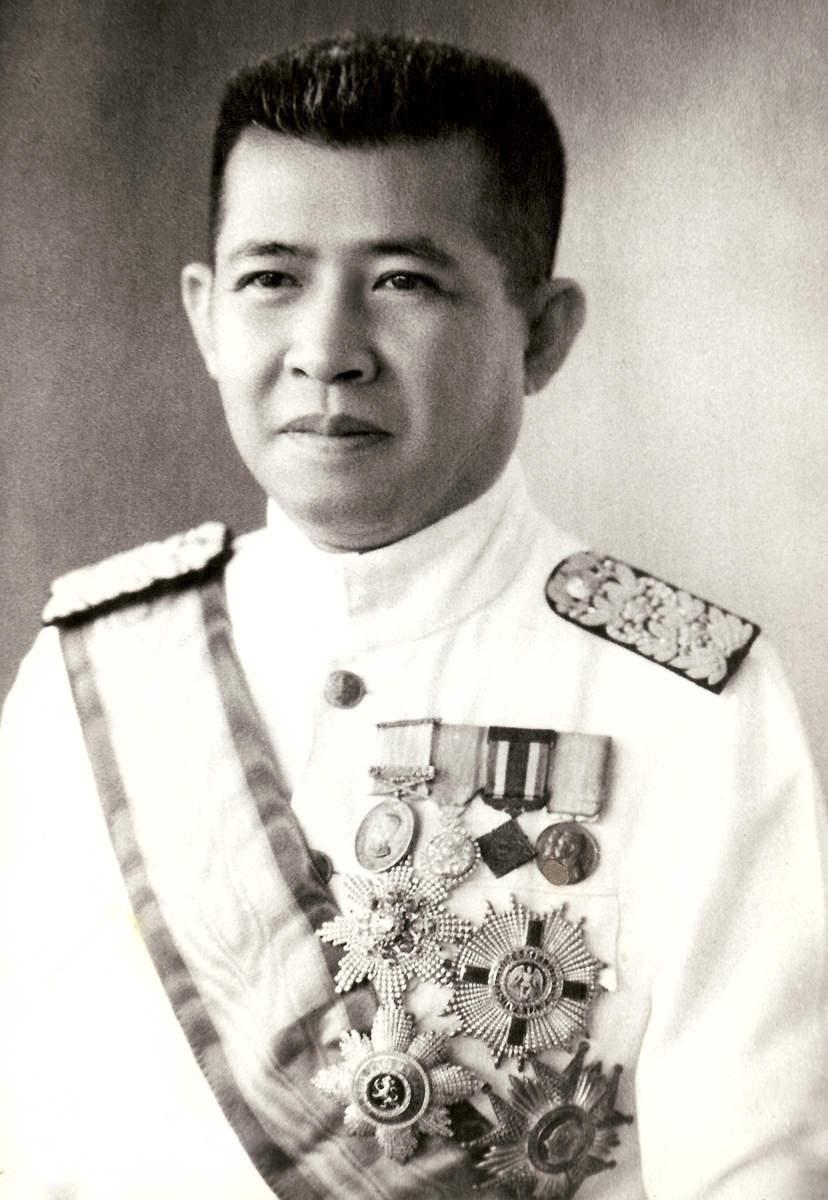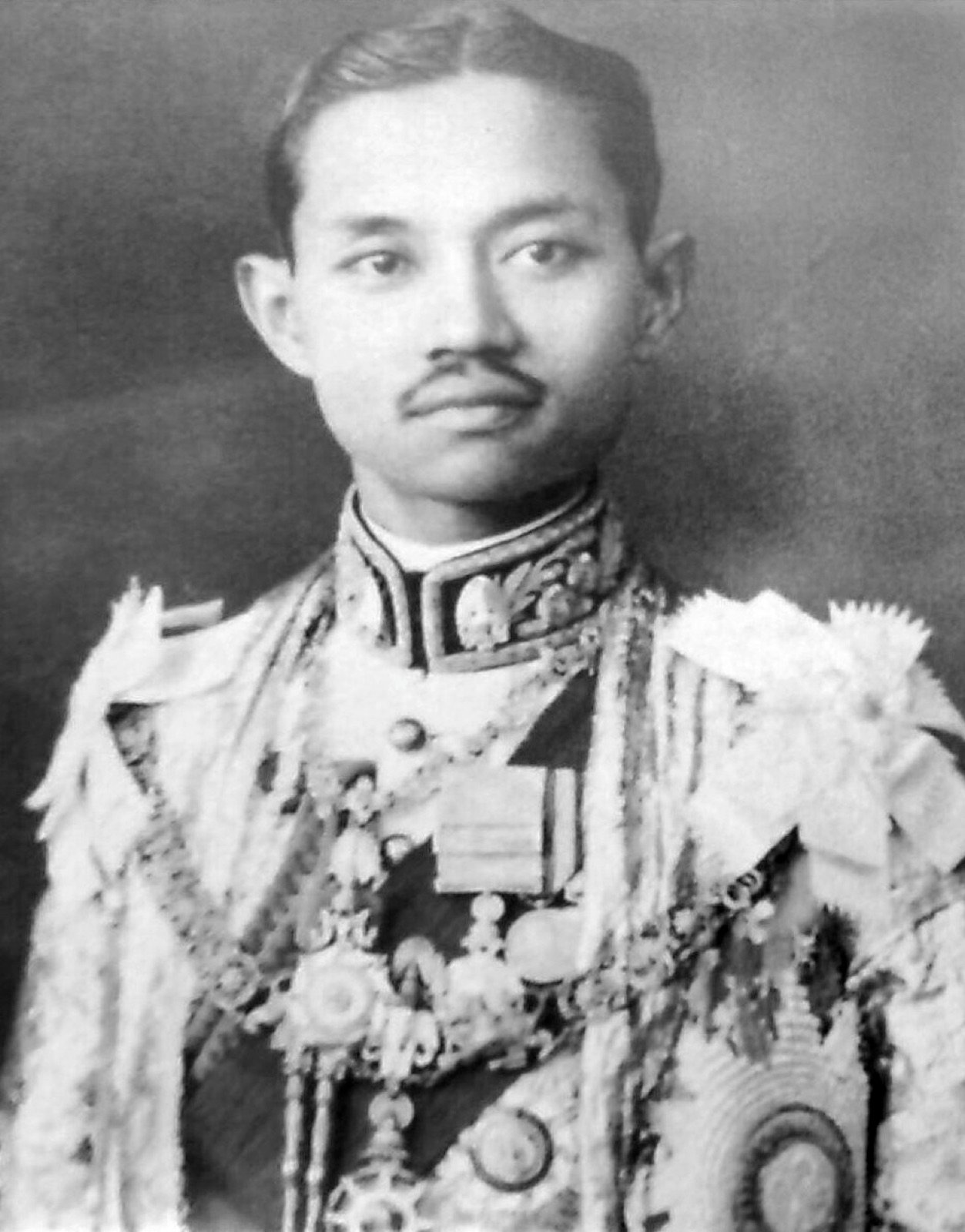
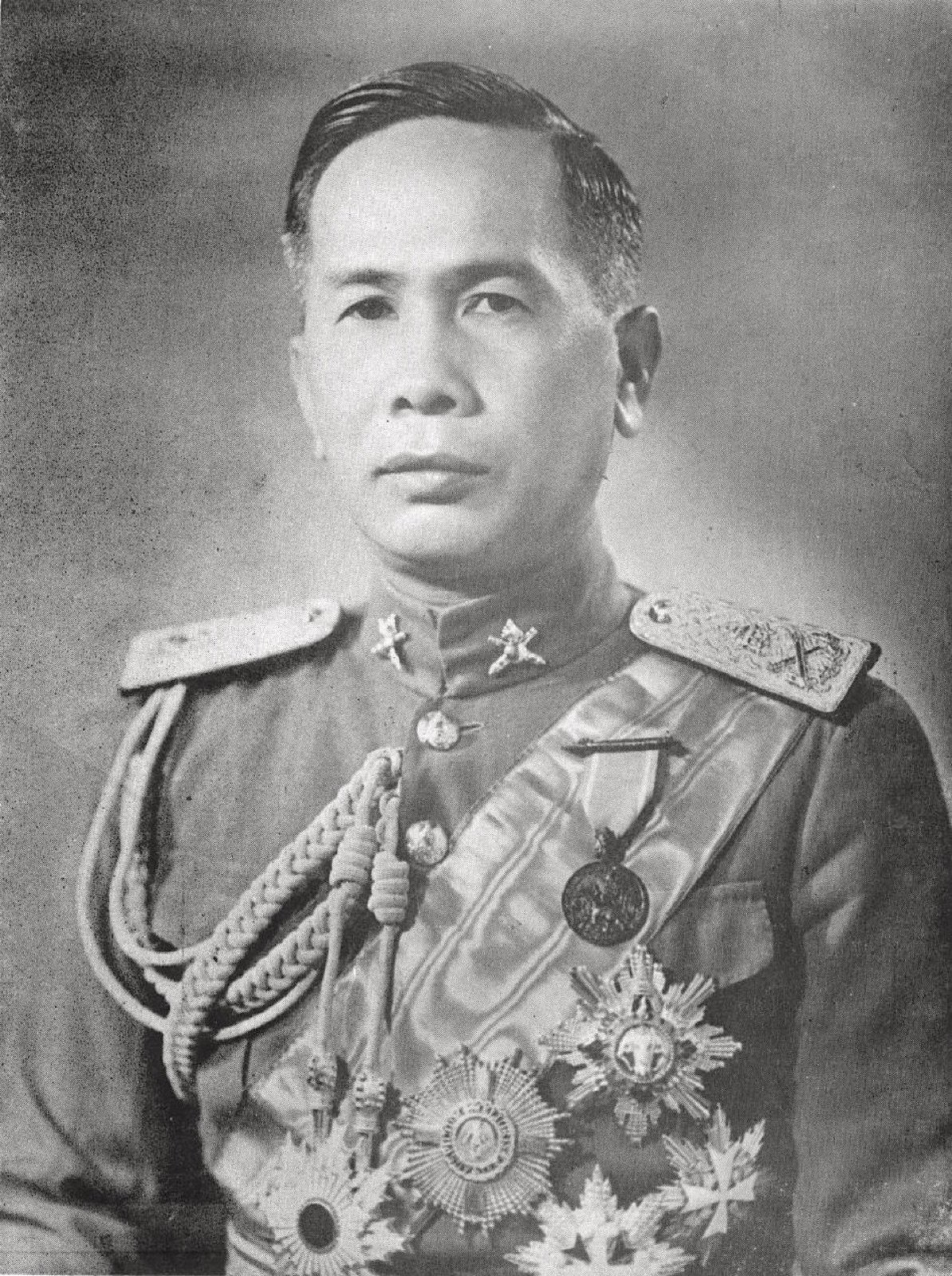
In this biography
Quick facts
- Born
- 14 July 1897
- Died
- 11 June 1964
- Birthplace
- Nonthaburi, Siam
- Country
- Thailand
- Nationality
- Thai
- Known for
- Authoritarian nationalism, wartime rule and two long premierships
- Also known as
- Phibun Songkhram
- Premierships
- 1938–1944 and 1948–1957
- Political movement
- People’s Party
- Country renamed
- Siam became Thailand in 1939
Why this life matters
Phibun connected the People’s Party revolution to military authoritarianism, wartime alliance with Japan and Cold War state-building.
Timeline
Key moments
Born in Nonthaburi
Born Plaek Khittasangkha on 14 July.
Joined the revolution
Participated in the People’s Party action that ended absolute monarchy.
Became prime minister
Took office at the head of an increasingly authoritarian nationalist government.
Siam became Thailand
The government adopted Thailand as the country’s official English name.
Allied with Japan
Thailand declared war on Britain and the United States after the Japanese invasion and alliance.
Lost office
Parliament rejected government bills and Phibun resigned near the end of the war.
Returned as prime minister
A military coup brought him back to office during the early Cold War.
Removed by Sarit’s coup
Fled the country after the armed forces seized power.
From revolution to premiership
Phibun trained as an artillery officer and joined the People’s Party group that replaced absolute monarchy in 1932. Military influence expanded through the conflicts that followed, and Phibun became prime minister in December 1938.
His government used radio, schools, law and cultural mandates to define a disciplined national identity. The name Thailand, adopted in 1939, formed part of a wider programme that also privileged central Thai language and norms.
War, alliance and resistance
After Japanese forces entered Thailand in December 1941, Phibun’s government concluded an alliance and declared war on Britain and the United States. The Thai ambassador in Washington refused to deliver the declaration, while the Free Thai movement organised resistance.
Parliamentary opposition and wartime conditions forced Phibun from office in 1944. The postwar settlement avoided treating Thailand as a defeated enemy, but the wartime government remained central to arguments over collaboration, sovereignty and responsibility.
Cold War return and overthrow
Phibun returned to power after the 1947 coup and again led the government from 1948. His second era aligned Thailand closely with the United States and anti-communist security policy while managing rivalry among military and police factions.
Field Marshal Sarit Thanarat removed him in September 1957. Phibun died in exile in Japan in 1964, leaving a legacy in which constitutional revolution, militarised politics, nationalism and bureaucratic modernity are tightly entangled.
Quick answers
Frequently asked questions about Plaek Phibunsongkhram
- Who was Plaek Phibunsongkhram?
- Plaek Phibunsongkhram was a military officer and prime minister of Thailand. Phibun connected the People’s Party revolution to military authoritarianism, wartime alliance with Japan and Cold War state-building.
- What is Plaek Phibunsongkhram best known for?
- Plaek Phibunsongkhram is best known for authoritarian nationalism, wartime rule and two long premierships.
- When and where was Plaek Phibunsongkhram born?
- Plaek Phibunsongkhram was born on 14 July 1897 in Nonthaburi, Siam.
- When did Plaek Phibunsongkhram die?
- Plaek Phibunsongkhram died on 11 June 1964.
Sources and further reading
How this biography was checked
Core dates and offices are checked against the sources below. This profile was last reviewed on 8 September 2026.