In this biography
Quick facts
- Born
- 7 June 1953
- Died
- 16 July 2019
- Birthplace
- Bacup, England
- Country
- South Africa
- Nationality
- Not independently established
- Known for
- Juluka, Savuka, Asimbonanga and musical collaborations across apartheid’s racial boundaries
- Born
- Bacup, England, 7 June 1953
- Juluka collaborator
- Sipho Mchunu
- Savuka
- Formed in 1986; Third World Child album, 1987
- Earned qualifications
- Wits BA, 1976; BA Honours, 1977
- National order
- Order of Ikhamanga in Silver, 2012
- Died
- 16 July 2019, Johannesburg
Why this life matters
His career connects learning, language and collaboration with public cultural action. A familiar individual nickname should not obscure the musicians whose knowledge and work made those collaborations possible.
Timeline
Key moments
A childhood across countries
English birth precedes upbringing in southern Africa and encounters with Zulu musicians.
Learning and collaboration
Work with Sipho Mchunu develops alongside university study and performance.
Degrees and a first album
Wits qualifications precede Juluka’s Universal Men.
Savuka
A new band leads to Third World Child and a wider international audience.
Changing public settings
Mandela joins a performance; Asimbonanga later becomes part of memorial events.
Death and tributes
University, Parliament and the Mandela Foundation record his passing and cultural contribution.
An English birthplace preceded a South African musical education
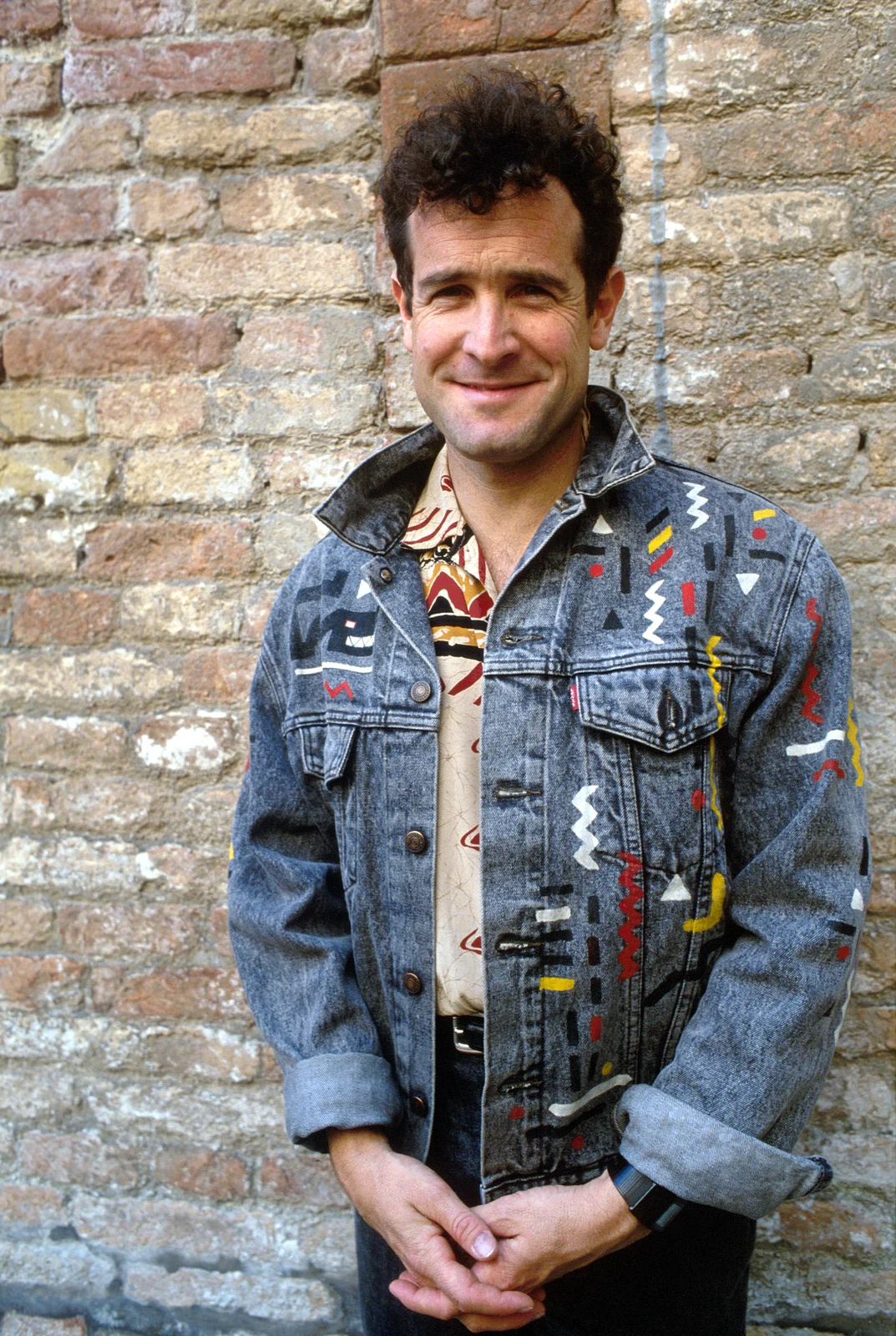
Clegg was born in Bacup, England, on 7 June 1953. His later musical education developed in southern Africa, rather than following directly from his birthplace. The distinction matters in understanding a career built through learning from other people.
Encounters with migrant musicians, including Charlie Mzila, introduced him to isiZulu language, music and dance. These were relationships through which he learned a practice, not a musical culture he invented. His South African career explains this archive placement while his English birthplace remains explicit.
Study and performance developed together
Wits records his BA in 1976 and honours degree in 1977, followed by four years in its Social Anthropology Department. The later honorary doctorate was a different recognition. Treating both as the same qualification would obscure his actual educational route.
Anthropologist David Coplan, who knew him personally, describes scholarly and pedagogical interests continuing after he left university employment. He discussed cultural practices with concert audiences as well as students. Coplan’s admiring recollection is a situated account, but it helps explain why teaching was more than a job discarded on the way to a recording career.
Juluka was a partnership working against restrictive conditions
Juluka united Clegg and Sipho Mchunu, with production support from Hilton Rosenthal. Universal Men appeared in 1979. Their partnership made collaboration a practical working relationship, not merely a description attached to the best-known member of a band.
The official biography describes restricted access to venues and radio, and performances interrupted by police. These conditions shaped how audiences could hear the group. A recording catalogue alone cannot explain the work required to perform together under segregation.
Savuka brought a new ensemble and a wider recording world
Savuka formed in 1986, and Third World Child followed in 1987. Its Asimbonanga recording belongs to that new ensemble, not to a simple renaming of Juluka. The linked guide follows the song’s subsequent public settings.
The Nelson Mandela Foundation later recalled Mandela joining him on stage in Europe in 1999. That event belonged to a different political moment from the song’s earlier life during imprisonment. Later commemorative performances added another setting, rather than turning every rendition into the same historical event.
Recognition and later remembrance did not erase the collaborators
The Order of Ikhamanga in Silver in 2012 recognised his cultural contribution. Parliament’s later tribute placed his music alongside participation in the anti-apartheid movement. Such institutional assessments record public recognition; they are not a claim that a band single-handedly ended segregation.
He died in Johannesburg on 16 July 2019. University and parliamentary notices corroborate the date, while the Mandela Foundation describes a relationship sustained over many years. Reading the legacy through Mchunu, other musicians, teachers and audiences keeps collaboration visible within a career often remembered through one celebrated name.
Quick answers
Frequently asked questions about Johnny Clegg
- Where was Johnny Clegg born?
- Bacup, England; his musical career developed in southern Africa.
- Who was his main Juluka partner?
- Sipho Mchunu, not an unnamed backing musician.
- Were Juluka and Savuka the same band?
- No. They were distinct ensembles.
- What did he study at Wits?
- He earned degrees before teaching social anthropology; honorary doctorates were later honours.
Keep exploring
Lives connected to this story
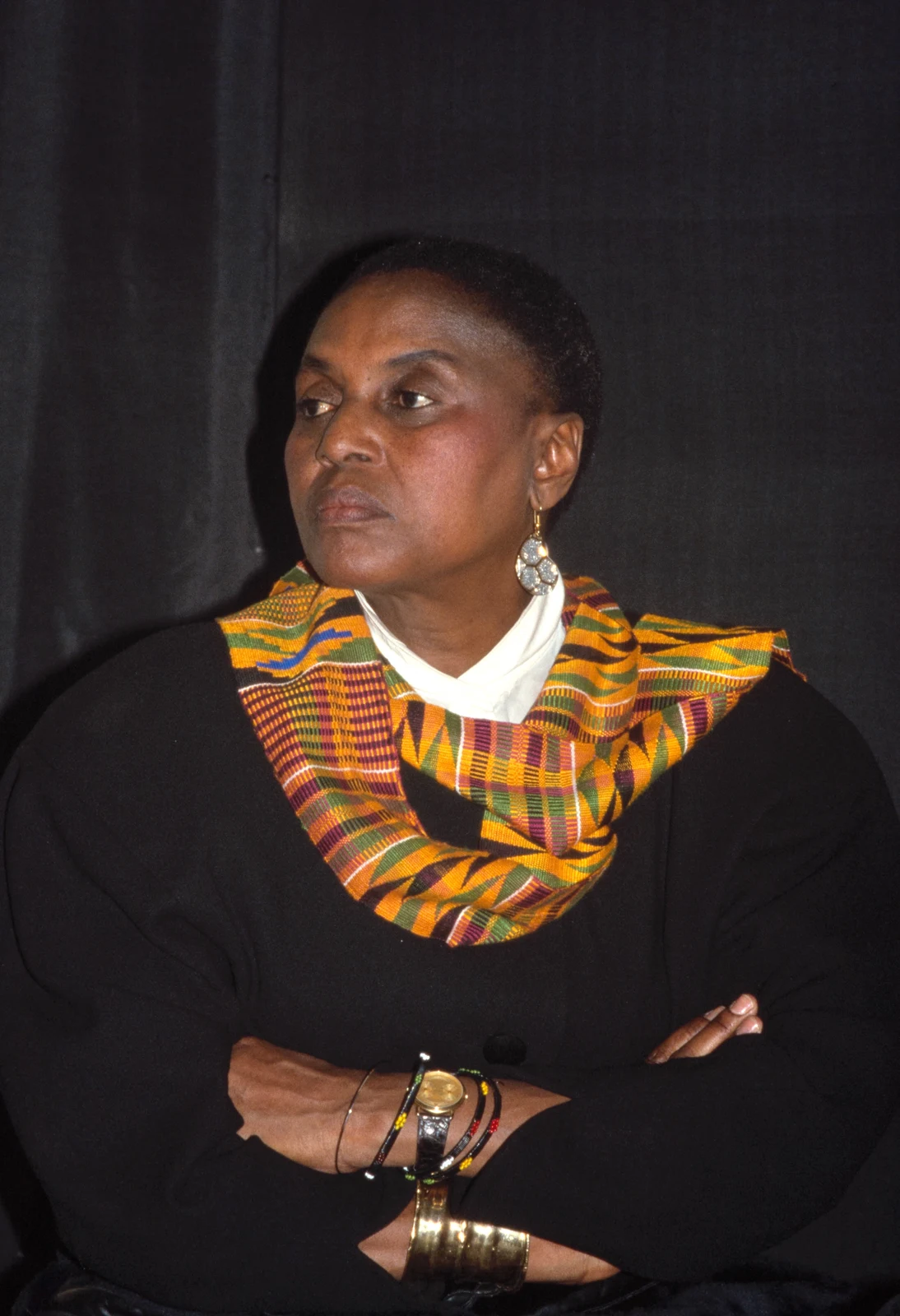
- Miriam Makeba
Compare a different performer’s repertoire, international work and anti-apartheid cultural settings.
- Abdullah Ibrahim
Explore how another recording acquired meaning through musicians and listeners over time.
- Zakes Mda
Read another career linking cultural work, teaching and historical interpretation.
Sources and further reading
Explore the evidence
These references support the biography and offer further reading. Official records, first-person accounts and independent reporting provide different perspectives; image records document attribution and licensing.
- 1. Johnny Clegg official siteHistorical biography — Juluka, Savuka and selected recording chronology
Historical promotional biography, not a current role record or independently audited sales report. Shared passages in SAHO remain one underlying source budget.
- 2. South African History OnlineJonathan Clegg — birth, death and selected career record
Selected birth/death and repertoire passages; whole award table and its Grammy year not adopted without award-body verification.
- 3. University of the Witwatersrand18 July 2019 — earned degrees, teaching and later honorary recognition
- 4. David Coplan / South African History Online25 July 2019 — personal account of intellectual and performance work
An attributed personal remembrance; selected teaching and music discussion, not independent chart certification.
- 5. Parliament / South African Government17 July 2019 — death confirmation and political-cultural tribute
- 6. Nelson Mandela Foundation17 July 2019 — relationship, performances and 1999 recollection
- 7. Gorup de Besanez / Wikimedia CommonsExact 1992 own-work portrait — first/current CC BY-SA 3.0
Exact own-work CC BY-SA 3.0 first/current records and full portrait checked; no extracted crop or official-site restricted image reused.