In this biography
Quick facts
- Born
- 1957
- Birthplace
- Johannesburg, South Africa
- Country
- South Africa
- Nationality
- Not independently established
- Known for
- Leading Glencore through its 2011 flotation and 2013 Xstrata combination
- Professional background
- South African chartered accountant; Wits accountancy and USC MBA
- Joined the trading business
- April 1984
- Glencore CEO
- January 2002–30 June 2021
- 2026 status check
- Former CEO; company reporting names Gary Nagle
Why this life matters
His career connects South African professional training with the global trade, financing and production of physical commodities.
Timeline
Key moments
South African beginnings
Born in Johannesburg; later studies accountancy.
Coal career develops
Work in South Africa, Australia and Asia precedes global coal responsibility.
Chief executive
Becomes CEO of the established commodity business.
Public flotation
The group lists in London and Hong Kong.
Xstrata combination
The share exchange becomes effective on 2 May.
A former executive
Retires in June 2021; later reports identify his successor.
Accounting and business education preceded commodity trading
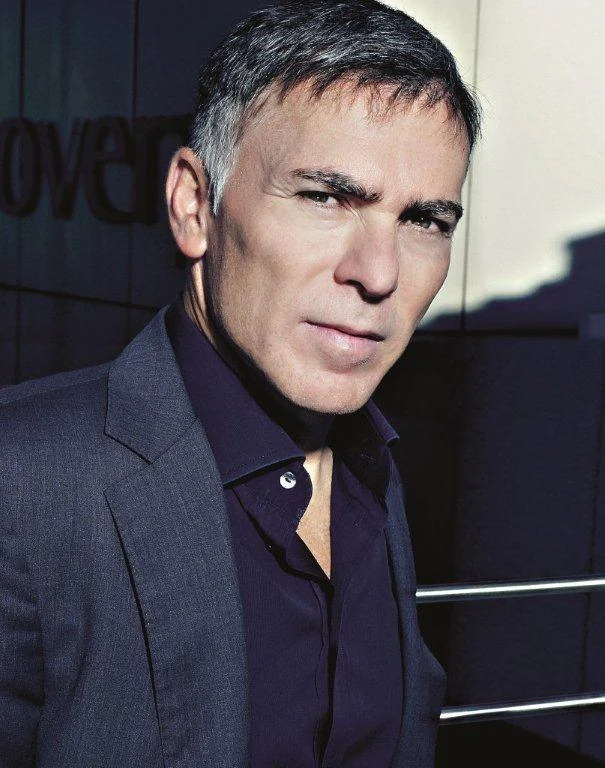
Ivan Glasenberg was born in 1957 and grew up around Johannesburg. Accountancy supplied his first professional framework. He studied at the University of the Witwatersrand, qualified as a South African chartered accountant and completed an MBA at the University of Southern California in 1983.
Business Day’s retrospective also describes a strong sporting interest, including race-walking. His move into commodities was a career change within an existing enterprise, not the invention of Glencore from nothing. The company’s prospectus records earlier work at the South African accounting firm Levitt Kirson before his trading appointment.
Coal responsibilities grew across several regions
He joined the business in April 1984, initially working in South African coal marketing. Roles in Australia and in the Hong Kong and Beijing offices followed. By January 1990 he was responsible for the worldwide coal business, covering both marketing and industrial assets.
Glasenberg became chief executive in January 2002. His responsibilities extended beyond finding a buyer for a cargo: sourcing, transport, storage, financing and production investments formed an interconnected business. Moving physical commodities required teams and operating assets, as well as judgments about differences between markets, qualities and delivery dates.
The flotation and Xstrata transaction changed the organisation
Glencore’s 2011 flotation opened an employee-owned business to public investors in London and Hong Kong. It also made its leaders’ holdings more visible. A market valuation of shares, however, was not the same thing as cash paid to Glasenberg personally or money raised entirely for the company.
On 2 May 2013 the Xstrata combination became effective. The completion announcement specified 3.05 new Glencore shares for each relevant Xstrata share and placed the acquired company’s entire share capital within the group. The transaction combined mining interests with the existing trading network; it was a later development than the flotation.
Corporate criminal cases are material to the leadership record
In May 2022 Glencore International AG and Glencore Ltd entered US guilty pleas concerning foreign bribery and commodity-price manipulation. The Justice Department described schemes extending over years, including conduct during Glasenberg’s chief-executive tenure. These were findings about named companies and their activities, not merely criticism of an unpopular industry.
The CFTC separately found manipulative and corrupt conduct that harmed counterparties and market integrity. Those corporate outcomes belong in an assessment of the business he led. They do not, by themselves, establish that Glasenberg personally pleaded guilty or was convicted; corporate responsibility and an individual criminal finding are different questions.
Retirement ended his executive office, not the wider biography
Glencore confirmed his retirement as CEO and director on 30 June 2021, with Gary Nagle succeeding him the next day. At the 24 October 2026 review, the company’s August half-year announcement continued to identify Nagle as chief executive. Glasenberg should therefore be described as a former CEO.
Later reporting connects him with cycling investments, including Pinarello and Q36.5. That work broadens his career beyond commodities. His historical influence at Glencore nevertheless rests on a long period of executive decision-making, ownership change and institutional growth, whose commercial achievements must be read alongside the company’s serious legal record.
Quick answers
Frequently asked questions about Ivan Glasenberg
- Did Ivan Glasenberg found Glencore?
- No. He joined an established business in 1984 and became its CEO in 2002.
- Is he still Glencore’s chief executive?
- No. He retired in June 2021; the company’s 2026 reporting names Gary Nagle.
- Do the company’s guilty pleas establish his personal conviction?
- No. The cited pleas identify corporate defendants, not a personal conviction of Glasenberg.
- Was the Xstrata combination part of the 2011 IPO?
- It was a separate transaction, completed in May 2013.
Keep exploring
Lives connected to this story
- Cecil Rhodes
Compare commodity-business influence across very different periods, while keeping colonial coercion and modern corporate structures distinct.
Sources and further reading
Explore the evidence
These references support the biography and offer further reading. Official records, first-person accounts and independent reporting provide different perspectives; image records document attribution and licensing.
- 1. Business Day4 December 2020: selected upbringing and education account
- 2. Glencore / Lexis Market TrackerMay 2011 prospectus, selected executive biography on printed page 133
Selected named biography read through its indexed passage. Exact birthday and conflicting graduation years are not asserted.
- 3. Glencore2011 report: selected business, restructuring and risk passages
- 4. Reuters / Miningmx19 May 2011: offer price, flotation and timing
- 5. Wits University, republishing a contemporary business profileMay 2011: partner exits and the change to marketable shares
- 6. Glencore / RNS2 May 2013: merger completion and share exchange
- 7. United States Department of Justice24 May 2022: corporate foreign-bribery and manipulation pleas
Corporate defendants and conduct distinguished from personal legal findings; full dockets not claimed read.
- 8. Commodity Futures Trading Commission24 May 2022: corporate manipulation and corruption order
- 9. Glencore30 June 2021: CEO and board retirement takes effect
- 10. Glencore5 August 2026: named CEO in half-year announcement
- 11. Cycling Weekly8 July 2026: selected birthplace and later cycling interests; 100-word source cap
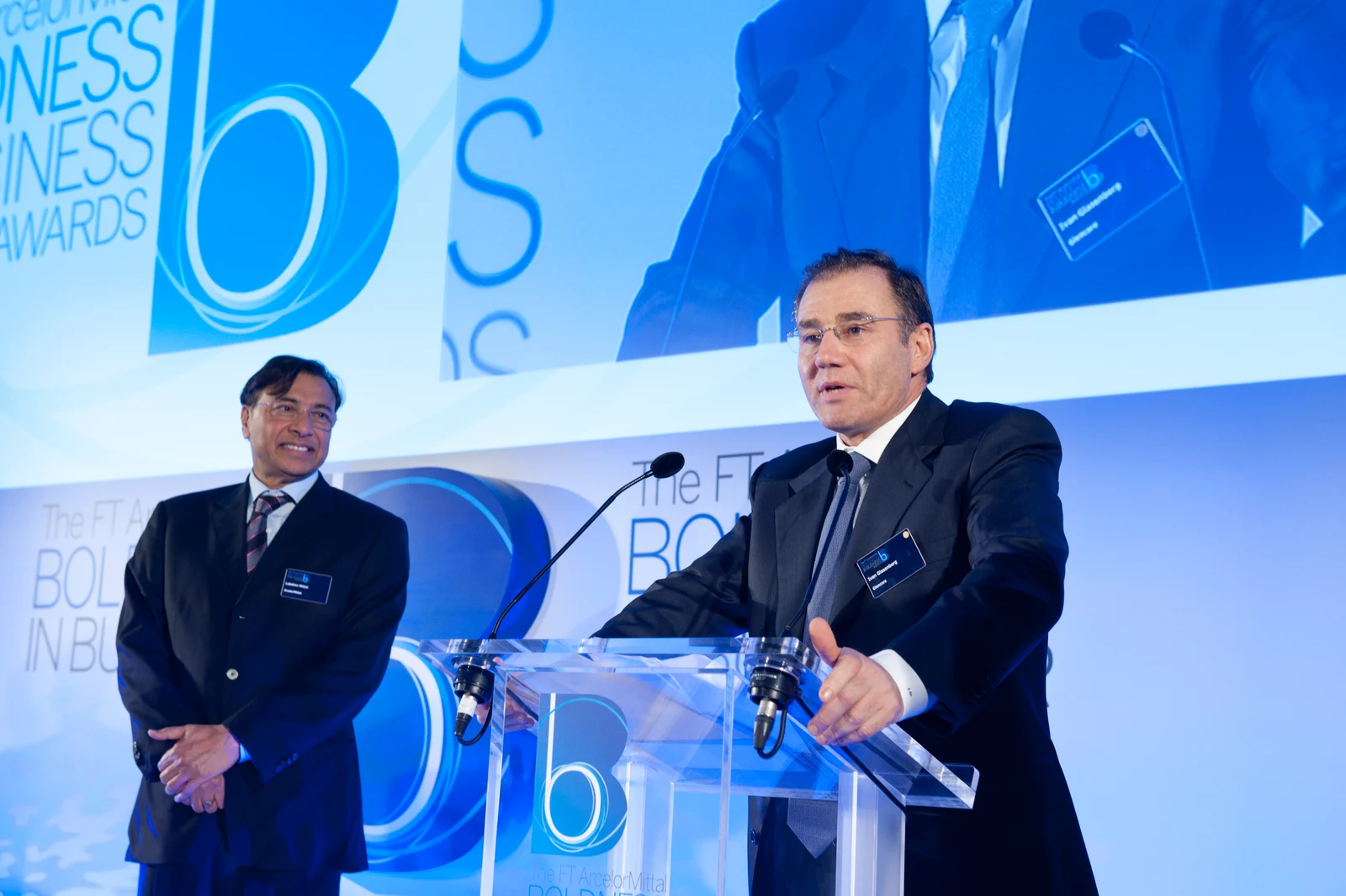
- 12. Financial Times photos / Wikimedia CommonsFull Ivan Glasenberg event photograph, Flickr item 8577530818
Full originating photograph used, with current Flickr grant and historical licence review; extracted portrait not substituted.
- 13. Financial Times photos / FlickrOriginating item with current explicit CC BY 2.0 grant
- 14. Creative CommonsAttribution 2.0 Generic