In this biography
Quick facts
- Born
- 29 May 1935
- Died
- 6 February 2015
- Birthplace
- Vrede, South Africa
- Country
- South Africa
- Nationality
- Not independently established
- Known for
- Afrikaans and English fiction, Looking on Darkness and A Dry White Season
- Full name
- André Philippus Brink
- Languages
- Afrikaans and English
- Booker shortlist
- An Instant in the Wind, 1976; Rumours of Rain, 1978
- University work
- UCT professor, 1990–2000; honorary professor thereafter
- National honour
- Order of Ikhamanga in Silver, 2006
Why this life matters
His career made language and literary form part of the struggle over what South Africans could publish, imagine and remember.
Timeline
Key moments
Vrede origins
Born on 29 May in the Free State.
Literary experimentation
His writing becomes associated with the Sestigers.
Fiction and censorship
Looking on Darkness and A Dry White Season bring conflict with the apartheid state.
Two shortlistings
Different novels reach the Booker shortlist; neither is a win.
University work and recognition
UCT teaching is followed by honorary status and a national order.
Later fiction and death
Philida precedes his death on 6 February 2015.
A Free State childhood led into an experimental literary generation
Brink was born in Vrede on 29 May 1935. He became associated with the Sestigers, Afrikaans writers whose work challenged inherited literary conventions during the 1960s. An academic memorial connects his early experiments with French existentialism and a widening intellectual world.
That development was not simply a switch from one language to another. Novels could explore desire, belief and identity while testing narrative form. The later political prominence of his work should not erase the literary experimentation that preceded it or reduce a diverse generation to a single programme.
Censorship sharpened a bilingual practice
His 1973 Afrikaans novel Kennis van die aand, known in English as Looking on Darkness, became the first Afrikaans work banned by the apartheid government. The challenge concerned what could be represented in a racially ordered society, not merely the choice of an international publishing market.
Brink subsequently worked across Afrikaans and English. Writing in two languages widened access while leaving questions of interpretation and audience unresolved. Translation, criticism and public argument accompanied fiction; no single banned title accounts for everything he wrote.
Recognition came through different novels and different kinds of award
An Instant in the Wind reached the 1976 Booker shortlist, and Rumours of Rain followed in 1978. Philida was longlisted in 2012. These are distinct outcomes: none makes Brink a Booker winner, and A Dry White Season was not the title behind either shortlisting.
A Dry White Season appeared in 1979 and confronted white complacency through an invented schoolteacher’s experience. Contemporary reception and later film criticism locate its force within apartheid’s violence. That historical relevance does not make its characters documentary witnesses or every scene a record of an actual case.
The writing continued beyond the end of apartheid
Later novels included The Rights of Desire, The Other Side of Silence and Philida. Historical memory and unequal power remained subjects after democratic transition. His 2006 Order of Ikhamanga in Silver recognised literary contribution without turning the work into an official account of the past.
Brink died on 6 February 2015 while returning from Belgium. At UCT’s memorial, Euzhan Palcy remembered adapting A Dry White Season for the cinema; colleagues and family recalled the writer and teacher. The 1989 film belongs to Palcy’s directing career as well as the novel’s afterlife, not to a fictional film-directing credit for Brink.
Quick answers
Frequently asked questions about André Brink
- Was André Brink a Booker Prize winner?
- No. He was shortlisted twice; Philida was later longlisted.
- Did he write only in English?
- No. His career includes Afrikaans and English fiction, translation and criticism.
- Did Brink direct the A Dry White Season film?
- No. Euzhan Palcy directed the 1989 adaptation.
- Was he still a full-time UCT professor at his death?
- The university dates his professorship to 1990–2000 and identifies his later position as honorary.
Keep exploring
Lives connected to this story
- Breyten Breytenbach
Compare a fellow Afrikaans writer’s literary experimentation, political conflict and exile.
- J. M. Coetzee
Explore a colleague’s different fiction, teaching and international recognition.
- Nadine Gordimer
Compare another novelist’s representations of apartheid and historical transition.
- David Kramer
Distinguish challenges to book publication from restrictions on broadcasting and performance.
Sources and further reading
Explore the evidence
These references support the biography and offer further reading. Official records, first-person accounts and independent reporting provide different perspectives; image records document attribution and licensing.
- 1. The Booker PrizesAndré Brink — birthplace, two shortlistings and Philida’s 2012 longlisting
- 2. University of Cape Town25 March 2015 — selected André Brink section: life dates, books and university appointments
Selected Brink section only. The original Afrikaans novel’s year is not silently assigned to every English edition; embedded interviews were not watched.
- 3. Werkwinkel / Adam Mickiewicz University2015 — André Philippus Brink, selected opening on Sestigers and bilingual writing
Selected indexed opening only. Its erroneous Soweto chronology is not adopted; no unverified Sorbonne degree asserted.
- 4. University of Cape Town4 March 2015 — departmental recollections of Brink as teacher, translator and colleague
- 5. The Booker PrizesAn Instant in the Wind — 1976 shortlist record
- 6. The Booker PrizesRumours of Rain — 1978 shortlist record
- 7. OCLC WorldCatA dry white season — English print edition, W.H. Allen, London, 1979; metadata only
- 8. June Goodwin / The Christian Science Monitor10 March 1980 — selected indexed contemporary review opening; direct article unavailable
Only the indexed opening was available. No complete review or full novel claimed read.
- 9. Jyoti Mistry / The Criterion Collection11 December 2018 — A Dry White Season: Justice Against the Law
- 10. University of Cape Town24 October 2006 — contemporary confirmation of Brink’s Order of Ikhamanga in Silver
- 11. Yusuf Omar / University of Cape Town3 March 2015 — memorial report, family and Euzhan Palcy’s adaptation recollection
- 12. The Criterion CollectionA Dry White Season — 1989 film, cast and distinct novel/screenplay/direction credits
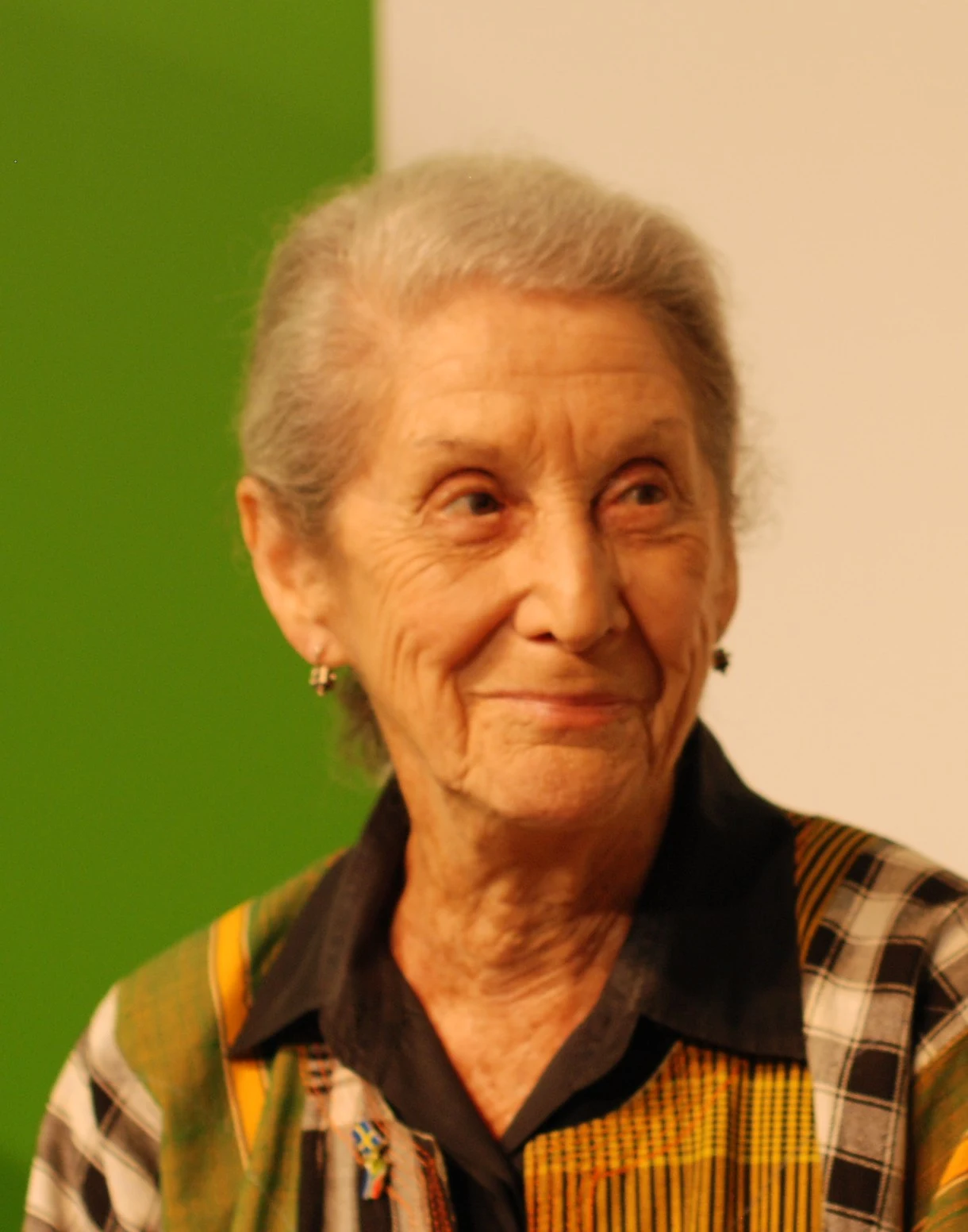
- 13. Seamus Kearney / Wikimedia CommonsAndré Brink in Lyon, June 2007 — full own-work photograph, CC BY-SA 3.0
Exact first/current CC BY-SA 3.0 own-work grant and original binary checked; native full frame retained.